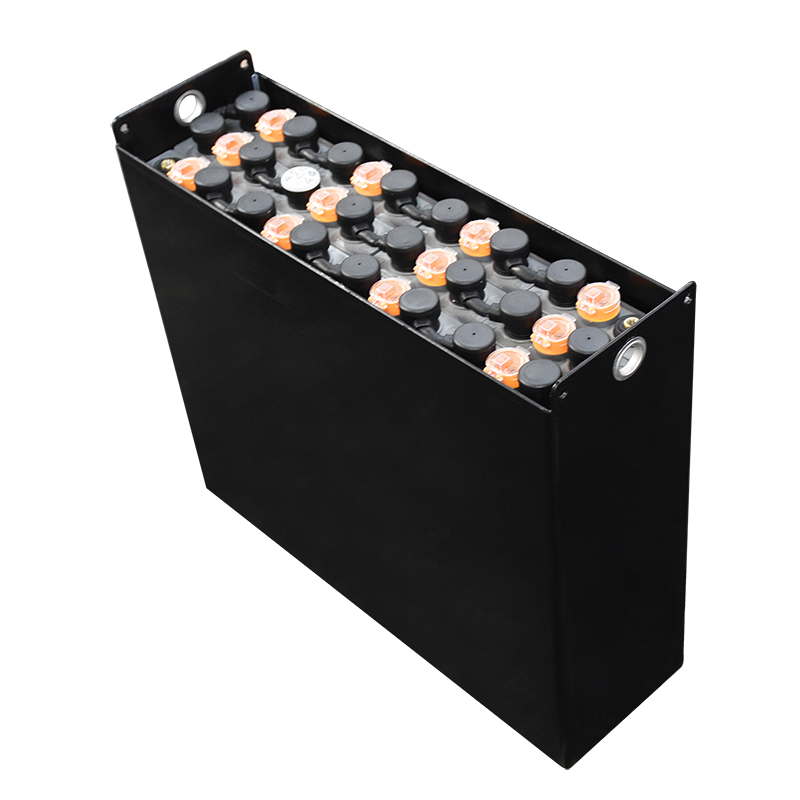
Unplanned material handling downtime creates significant operational hurdles. Safety risks often stem directly from sudden battery failure. Fleet managers frequently push forklift batteries to their absolute limit. They do this to maximize their initial return on investment. However, running a degraded power unit damages sensitive electrical components. This practice also severely reduces shift efficiency.
You need a reliable method to assess power source health. Operating blindly leads to stranded equipment and missed fulfillment targets. This article provides a highly technical, objective framework for diagnosing battery health. We will help you determine the exact point where replacing the unit makes more sense than ongoing maintenance. You will learn to spot early operational warnings and decipher misleading dashboard readings. Armed with this knowledge, your team can maintain warehouse productivity while effectively mitigating safety hazards.
Key Takeaways
Shorter runtimes and sluggish hydraulics are the first verifiable signs of capacity loss, not just dashboard readings.
Corroded battery terminals and excessive sulfation can mimic total failure but may sometimes be reversible through expert maintenance.
Surface charges can cause false positive readings, making a load test the only definitive proof of a failing battery.
Choosing a forklift replacement battery requires evaluating specific power demands, shift structures, and compatibility (e.g., DIN/BS standards like PzS or PzB).
The Business Impact of Running Degraded Forklift Batteries
Operating a failing battery creates a ripple effect across your entire warehouse. Many managers view an aging battery as a minor inconvenience. In reality, it acts as a hidden drain on operational profitability and equipment longevity.
Compounding Component Damage
Weak batteries cannot maintain proper voltage under heavy loads. Forklift motors require a specific amount of power to lift pallets and drive. When voltage drops, the motor must draw higher amperage to compensate. This excessive current generates immense heat inside the forklift.
Overheating melts wire insulation and damages internal components. High amperage burns out the main contactors. Prolonged exposure to low voltage ultimately causes premature motor failure. Replacing a burnt drive motor costs significantly more than a scheduled battery replacement. Protecting your trucks requires stable, consistent voltage delivery.
Lost Productivity
Warehouse throughput relies entirely on predictable equipment availability. A healthy battery easily covers a standard eight-hour shift. Degraded units struggle to last past five or six hours. This forces operators to perform mid-shift battery swaps. Mid-shift swaps waste precious operational time.
Failing batteries also drastically reduce forklift performance. You will notice sluggish lifting speeds. Travel speeds decrease noticeably. If a forklift lifts pallets 20% slower, you lose 20% of your racking capacity per hour. These small delays accumulate over weeks and months, destroying shift productivity.
Safety and Compliance Risks
Structurally compromised batteries introduce severe workplace hazards. Older batteries often develop cracked casings or failing seals. These breaches lead to highly corrosive acid leaks. Sulfuric acid destroys warehouse floors and creates slip hazards.
Overworked, dying batteries also generate excessive heat during charging. This heat accelerates off-gassing. You might notice a strong hydrogen sulfide odor resembling rotten eggs. This gas is highly flammable and toxic. Poorly ventilated charging areas risk potential explosions. Operating leaking or heavily off-gassing batteries frequently triggers strict OSHA violations. Safety protocols mandate the immediate removal of compromised units from service.
Physical and Operational Symptoms of Total Battery Failure
Accurate diagnosis begins by separating minor maintenance issues from irreversible failure. You must observe both how the truck behaves and how the battery physically looks.
Operational Warning Signs
Operators usually feel a dying battery before technicians see it. The truck will exhibit clear performance drops during demanding tasks.
Loss of power on inclines: The forklift struggles to navigate ramps. The motor whines loudly while barely moving forward.
Struggling during heavy lifting: Maximum rated loads suddenly become difficult to elevate. Hydraulics react slowly or stutter on the way up.
Inability to hold a charge: The battery drops from full to empty in just a few hours. It cannot sustain a standard eight-hour shift.
Extremely long recharge times: The unit stays on the charger much longer than usual. This indicates extremely high internal resistance. The charger struggles to push energy back into the degraded cells.
Physical Degradation Indicators
Visual inspections often reveal the true state of your power source. Technicians should look for irreversible structural damage during weekly checks.
Terminal and Cable Issues: Severe corrosion around the terminals limits power flow. Acid buildup eats away at the lead connections. High resistance causes terminals to overheat. In extreme cases, you will find melted lead on bad battery terminals. Frayed or stiff cables also indicate long-term overheating and require immediate replacement.
Cell Imbalance & Spillage: Look at the top of the battery deck. Overflowing cells usually result from improper maintenance. Operators often add water before charging rather than after. The electrolyte expands during the charge cycle and spills over. Conversely, permanently dry cells expose the internal lead plates to oxygen. Exposed plates degrade rapidly and never recover their full capacity.
Sulfation: Sulfation represents the most common killer of a traditional lead-acid traction battery. When you leave a battery uncharged for long periods, sulfur separates from the acid. It binds to the lead plates. You will see hard white crystals forming on the lead components inside the cells. While minor sulfation responds to equalization charges, heavy crystalline sulfation permanently reduces capacity. The plates can no longer absorb or release energy efficiently.
Is Your Dashboard Lying? Deciphering False Readings
Fleet managers often trust dashboard indicators blindly. However, standard forklift displays frequently provide misleading information regarding true battery health. You must approach dashboard data with extreme skepticism.
The "Surface Charge" Illusion
A degraded battery often shows a 100% charge when disconnected from the charger. The dashboard display confirms a full tank. However, five minutes into the shift, the reading plummets to 20%. This phenomenon is called a surface charge.
The charger pushes the voltage up, but the damaged plates cannot hold the capacity. The voltage essentially floats on the surface of the plates. As soon as you apply a heavy mechanical load, the illusion shatters. The voltage collapses instantly. You cannot rely on resting voltage to determine operational capacity.
Sensor and Wiring Faults
Sometimes the battery functions perfectly, but the truck lies. You must differentiate between actual battery failure and communication errors. A faulty Battery Discharge Indicator (BDI) will misread the voltage. Damaged communication wiring between the battery and the truck controller causes erratic dashboard drops.
Always inspect the wiring harnesses. Look for pinched wires near the battery compartment. Test the BDI against a known good battery to isolate the fault. Do not scrap a healthy battery due to a broken ten-dollar sensor.
Actionable Advice for Accurate Diagnosis
Remove guesswork from your evaluation process entirely. You must implement professional testing standards.
Conduct a Hydrometer Test: Measure the specific gravity of the electrolyte fluid in every single cell. A healthy cell reads around 1.280. Variations greater than 0.050 between cells indicate severe internal imbalances.
Perform a Controlled Load Test: Connect the battery to a dedicated load bank. Draw a specific, constant amperage over several hours. Measure exactly how long it takes for the voltage to drop below acceptable levels.
Log the Results: Compare the actual load test runtime against the manufacturer's rated capacity. This provides definitive, irrefutable proof of the battery's true health.
Diagnostic Considerations for PzS and PzB Forklift Batteries
European and specialized global forklifts utilize specific battery form factors. Diagnosing these units requires understanding their unique internal structures. Two primary standards dominate this space.
The PzS forklift battery follows the DIN (Deutsches Institut für Normung) standard. It features a wider cell design. The PzB forklift battery conforms to the BS (British Standard) and features a narrower physical cell profile. Both utilize advanced tubular plate technology. Instead of flat lead grids, they use tubes (gauntlets) filled with active material. This design drastically increases surface area and overall longevity.
Evaluation Criteria for Tubular Plates
Tubular batteries fail differently than flat-plate versions. Over time, the gauntlets holding the active material deteriorate. The vibration of daily forklift operation shakes the active lead material loose.
When inspecting these cells, closely examine the electrolyte fluid. Draw a sample using your hydrometer. Clear fluid indicates healthy plates. Dark, brown, or muddy electrolyte fluid serves as a primary failure indicator. The mud consists of shed active material. Once this material falls to the bottom of the cell, you cannot put it back. The capacity is permanently lost.
Maintenance Thresholds and Lifespan
Fleet managers must calculate realistic life expectancies to avoid over-investing in dead technology. Standard tubular batteries offer a realistic lifespan of roughly 1,500 charging cycles. In a standard single-shift operation (charging once per day, five days per week), this equates to approximately five years of service.
If a unit exhibits muddy acid and has surpassed 1,200 cycles, extensive repairs waste money. The battery has simply reached its natural end-of-life threshold. Evaluate the cycle count before authorizing major reconditioning services.
Chart: Diagnostic Symptom Matrix
Observed Symptom
Probable Root Cause
Diagnostic Action
Rapid voltage drop under load
Surface charge / High internal resistance
Perform controlled load test
Hard white crystals on plates
Severe sulfation
Attempt equalization charge
Dark, muddy electrolyte fluid
Active material shedding (Tubular plates)
Check cycle count; prepare to replace
Melted terminal posts
Loose connections causing electrical arcing
Inspect cables; measure resistance
The Decision Matrix: Repair, Recondition, or Replace?
Once you gather the diagnostic data, you face a crucial financial decision. You must choose between patching the current unit or procuring a new one. Use a logical framework to guide this choice.
When to Repair or Maintain
Repairs make sense only under specific conditions. You should repair units that are under three or four years old. Viable repairs include minor terminal replacements. If a single inter-cell connector breaks, a certified technician can drill it out and weld a new one.
Cell equalization also falls under routine maintenance. If specific gravity varies slightly across cells, a prolonged low-voltage equalization charge often balances them out. Professional desulfation processes can occasionally break down minor crystal formations. However, perform a strict cost-benefit analysis. Never spend more than 25% of a new battery's price on repairing an old one.
When to Replace
Certain physical symptoms mandate immediate replacement. You cannot fix multiple dead cells efficiently. Replacing three or four cells in an older battery creates massive internal imbalances. The old cells will quickly drag the new cells down.
Cracked steel casings pose severe safety risks and cannot be reliably patched. Muddy acid indicates permanent material loss. Finally, if a professional load test proves the battery fails to deliver 80% of its rated capacity, replacement becomes mandatory. Operating below 80% capacity drastically spikes forklift motor temperatures.
Choosing Your Replacement
Selecting the right forklift replacement battery requires careful evaluation of your facility's infrastructure. You have two primary paths.
Like-for-Like vs. Upgrade: You can choose a standard replacement. This means swapping an old lead-acid unit for a new one. This approach requires zero changes to your current chargers or operational habits. Alternatively, evaluate an upgrade. Lithium-ion or TPPL (Thin Plate Pure Lead) technologies allow opportunity charging. You can plug them in during lunch breaks. However, upgrading requires new chargers and updated facility electrical routing. Base this decision entirely on your shift intensity.
Disposal and Compliance: Industrial power units contain hundreds of pounds of lead and toxic acid. Legitimate suppliers must offer compliant recycling programs. They should handle the disposal of the hazardous old unit as part of the new procurement contract. Never abandon old units in warehouse corners. Secure proper EPA-compliant disposal documentation from your vendor.
Conclusion
Accurately identifying a failing power source requires a blend of operational observation and rigorous technical testing. You must look past the dashboard display. Trust only verified data from hydrometer readings and controlled load tests. Pay close attention to physical degradation, such as excessive sulfation, melted terminals, and muddy electrolyte fluid. These indicators rarely lie.
Operating a failing unit costs significantly more in lost productivity and expensive forklift repairs than simply buying a new one. Do not let degraded equipment dictate your warehouse throughput. Take immediate action to secure your facility's efficiency.
We encourage fleet managers to act proactively. Schedule a professional health audit for your aging fleet this week. Alternatively, request a quote for a reliable replacement matched precisely to your truck's specifications and shift requirements. Stop losing time to mid-shift swaps and protect your bottom line today.
FAQ
Q: How long should a standard lead-acid forklift battery last?
A: Lifespan is measured in charge cycles. A standard unit typically lasts for 1,500 charging cycles. In a standard single-shift operation running five days a week, this equates to roughly five years of reliable service if properly maintained and watered.
Q: Can bad battery terminals be fixed without replacing the whole battery?
A: Yes. Certified technicians can safely drill out melted terminals and replace inter-cell connectors. However, technicians must verify overall cell health first. Replacing a terminal on a battery with dead cells wastes money.
Q: Why does my forklift battery smell like rotten eggs?
A: A rotten egg smell indicates hydrogen sulfide off-gassing. This happens when the battery overheats or severely overcharges. It poses immediate explosive and toxic safety risks. Disconnect the charger, ventilate the area, and remove the battery from service immediately.
Q: What is the difference between a PzS and PzB battery when ordering a replacement?
A: These terms refer to physical dimensions based on international standards. PzS aligns with the DIN (German) standard and features wider cells. PzB aligns with the BS (British) standard and uses narrower cells. You must measure your forklift battery box accurately to ensure proper fitment.