
LiFePO4 batteries are widely used in industrial and commercial equipment because they offer stable power output, long service life, and reliable operating performance. FOBERRIA provides LiFePO4 battery solutions for forklifts, cleaning machines, golf carts, electric vehicles, and energy storage systems.
However, the performance and safety of a LiFePO4 battery depend on more than the battery cells. The Battery Management System, or BMS, is also a key part of the complete battery pack. It monitors the cells, controls charging and discharging, and helps protect the battery during daily operation.
A properly matched BMS can reduce battery stress, prevent abnormal operating conditions, improve power consistency, and support longer service life. This is especially important for industrial equipment that operates for long hours or experiences frequent charge-discharge cycles.
What Is a BMS?
A Battery Management System is an electronic control system installed inside or connected to a lithium battery pack. It monitors the condition of the battery cells and manages the battery according to preset operating limits.
The main functions of a BMS include:
Cell voltage monitoring
Battery temperature monitoring
Overcharge protection
Over-discharge protection
Overcurrent protection
Short-circuit protection
Cell balancing
State-of-charge monitoring
Communication with chargers or equipment on applicable models
A LiFePO4 battery pack contains multiple cells connected in series or parallel. Small differences between cells may develop during production, charging, discharging, storage, and use. The BMS helps manage these differences and keeps the battery operating within a controlled range.
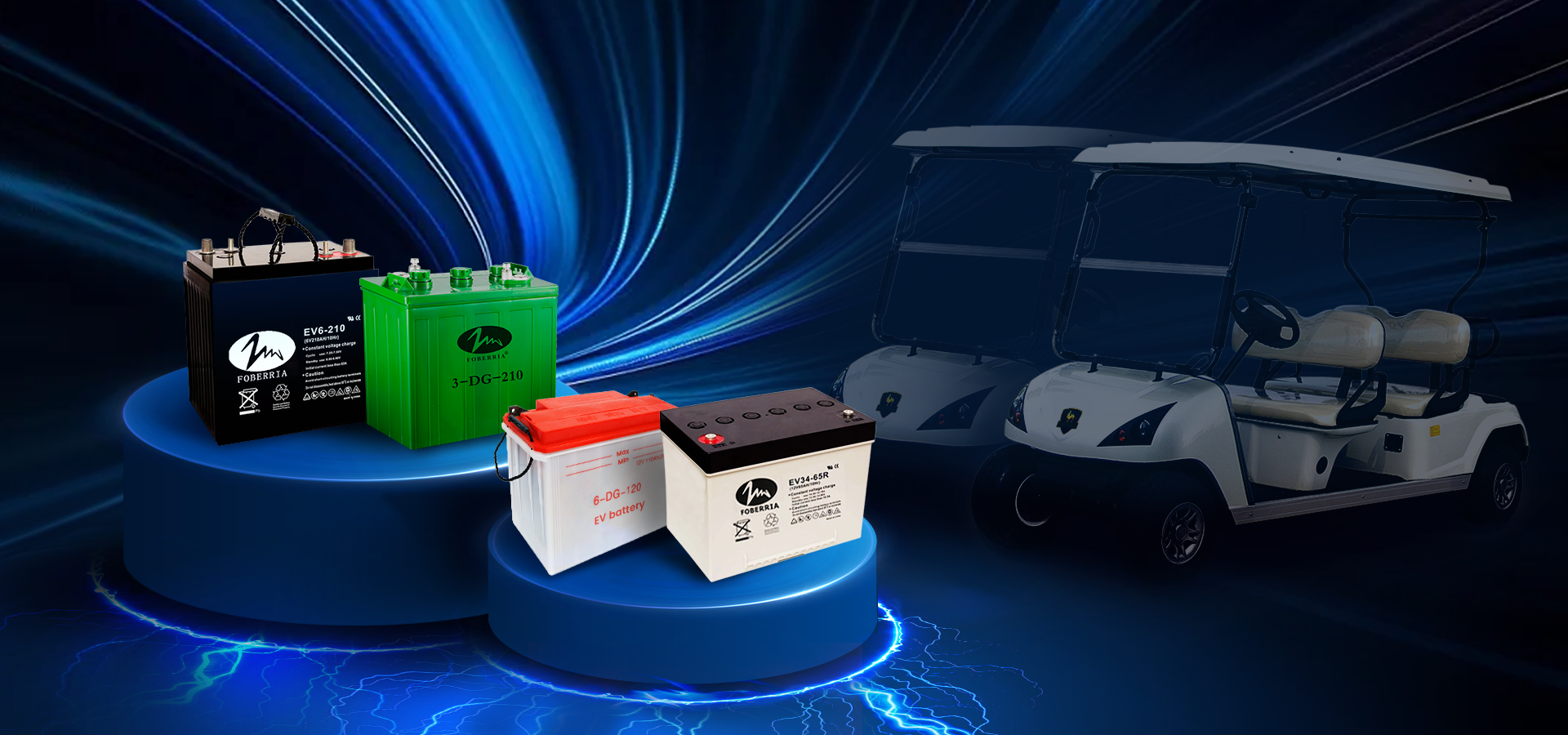
How a BMS Improves LiFePO4 Battery Safety
Overcharge Protection
Overcharging occurs when a battery continues receiving energy after reaching its permitted voltage level. Excessive voltage can increase cell stress, reduce service life, and create unsafe operating conditions.
The BMS monitors the voltage of individual cells rather than checking only the total battery voltage. When a cell reaches its upper protection limit, the BMS can interrupt or limit charging according to the battery design.
This cell-level monitoring is important because individual cells may not reach the same voltage at exactly the same time. One cell may become fully charged before the others, even when the overall battery voltage appears normal.
By controlling the charging process, the BMS helps prevent individual cells from being exposed to excessive voltage.
Over-Discharge Protection
Over-discharge happens when the battery continues supplying power after one or more cells reach a critically low voltage.
Excessive discharge can reduce cell capacity and create an imbalance within the battery pack. It may also cause the equipment to operate with unstable power or stop unexpectedly.
The BMS monitors the lowest cell voltage and disconnects the load when the battery reaches its discharge protection limit. This helps protect the weakest cell and reduces the risk of permanent damage.
For forklifts, cleaning machines, golf carts, and electric vehicles, over-discharge protection helps maintain more reliable operation during long working periods.
Overcurrent and Short-Circuit Protection
Industrial equipment may require high current during startup, acceleration, lifting, or sudden changes in load. A short circuit can also occur because of damaged cables, incorrect connections, or equipment faults.
The BMS monitors the current flowing through the battery. If the current exceeds the configured protection range, the BMS can disconnect the battery output.
This protection helps reduce the risk of:
Cable overheating
Connector damage
Excessive cell stress
Battery pack damage
Equipment failure
The BMS current setting must match the actual battery cells, cables, connectors, and equipment requirements. It should also allow normal short-term peak current without causing unnecessary shutdowns.
Temperature Monitoring
Temperature has a direct effect on LiFePO4 battery safety and service life. Excessive heat may accelerate battery aging, while charging at unsuitable low temperatures may affect cell performance.
A BMS uses temperature sensors to monitor the battery during charging and discharging. Depending on the battery model, it may provide protection against:
High-temperature charging
High-temperature discharging
Low-temperature charging
Excessive internal temperature
Abnormal temperature differences
Temperature protection is important for batteries used in warehouses, factories, outdoor vehicles, and equipment operating for extended periods.
The BMS works together with the battery enclosure, cooling design, ventilation, and installation conditions. It cannot replace proper battery design, but it adds an important layer of monitoring and protection.
Cell Balancing
A LiFePO4 battery pack contains multiple cells. Over time, the state of charge of each cell may become slightly different.
If the difference becomes too large, the highest-voltage cell may reach the charging limit before the other cells are fully charged. During discharge, the lowest-voltage cell may reach the protection limit earlier than the other cells.
Cell balancing helps reduce these voltage differences. By monitoring individual cell voltage, the BMS helps keep the cells operating more evenly.
Balanced cells can provide:
More consistent usable capacity
More stable voltage output
Better charging efficiency
Reduced stress on individual cells
Improved long-term performance
Cell balancing is particularly important for larger battery packs used in forklifts, energy storage systems, and commercial electric equipment.
How a BMS Improves LiFePO4 Battery Performance
More Stable Power Output
A BMS helps keep the battery within its defined voltage, current, and temperature range. This allows the battery to provide more consistent power to the connected equipment.
Stable output is important for:
Forklift driving and lifting
Cleaning machine motors
Golf cart acceleration
Electric vehicle operation
Inverter and energy storage systems
When the battery operates within the correct range, equipment is less likely to experience sudden voltage drops or unnecessary protection shutdowns.
Better Use of Battery Capacity
A BMS does not increase the physical capacity of the battery cells. However, it helps the battery use its designed capacity more effectively by controlling operating limits and maintaining cell balance.
If one cell reaches its voltage limit too early, the complete battery pack may stop charging or discharging even though other cells still have available capacity. Proper cell monitoring and balancing can help reduce this problem.
The actual usable capacity still depends on cell quality, discharge rate, operating temperature, charging method, and equipment load.
Reduced Cell Stress
Battery cells are affected by excessive voltage, high current, extreme temperature, and deep discharge. Repeated exposure to these conditions can accelerate battery aging.
The BMS reduces unnecessary stress by controlling the battery when abnormal conditions occur. It can limit charging, stop discharging, or disconnect the load according to the configured protection parameters.
This helps the cells operate within a more suitable range and can support longer service life when combined with proper charging and installation.
Improved Charging Management
The BMS monitors charging voltage, current, cell voltage, and temperature during the charging process. If a protection limit is reached, it can interrupt charging according to the battery design.
However, the BMS is not a replacement for a suitable charger. The charger must still match the LiFePO4 battery chemistry, voltage, charging current, connector, and charging profile.
When replacing an existing battery, the charger and battery should be checked together. FOBERRIA’s battery replacement solutions consider voltage, capacity, dimensions, terminals, connectors, and charging requirements.
Battery Status Monitoring
On applicable models, the BMS can provide information such as:
State of charge
Battery voltage
Charging status
Discharging status
Temperature
Protection alarms
Fault conditions
Some industrial battery systems may also support CAN or RS485 communication with a charger, vehicle controller, inverter, or energy management system.
This information can help operators understand battery condition, identify abnormal situations, and improve equipment scheduling. Communication functions vary by product and should be confirmed for the specific battery model.
BMS Applications in FOBERRIA LiFePO4 Batteries
Forklift Batteries
Forklifts require high current during acceleration, lifting, and repeated material handling operations. A suitable BMS helps protect the battery from overcurrent, overheating, over-discharge, and abnormal cell voltage.
Battery voltage, peak current, operating hours, charger compatibility, battery compartment dimensions, and equipment weight requirements should be evaluated together.
FOBERRIA provides LiFePO4 forklift battery solutions for different industrial equipment requirements.
Cleaning Machine Batteries
Floor scrubbers and cleaning machines may operate several motors at the same time, including brush motors, suction motors, and water pumps. The BMS helps maintain stable discharge performance during daily operation.
The battery system should be selected according to machine voltage, motor power, working hours, charging frequency, and available installation space.
FOBERRIA provides LiFePO4 batteries for cleaning machines for different equipment configurations.
Golf Cart and Electric Vehicle Batteries
Golf carts and electric vehicles require batteries that can handle acceleration current and repeated charge-discharge cycles.
The BMS helps control current, monitor temperature, and protect the battery during changing loads. Battery capacity, motor power, vehicle weight, driving range, charger compatibility, and installation space should all be considered.
Energy Storage Batteries
Energy storage systems may operate for long periods and require accurate monitoring of battery voltage, temperature, state of charge, and charging status.
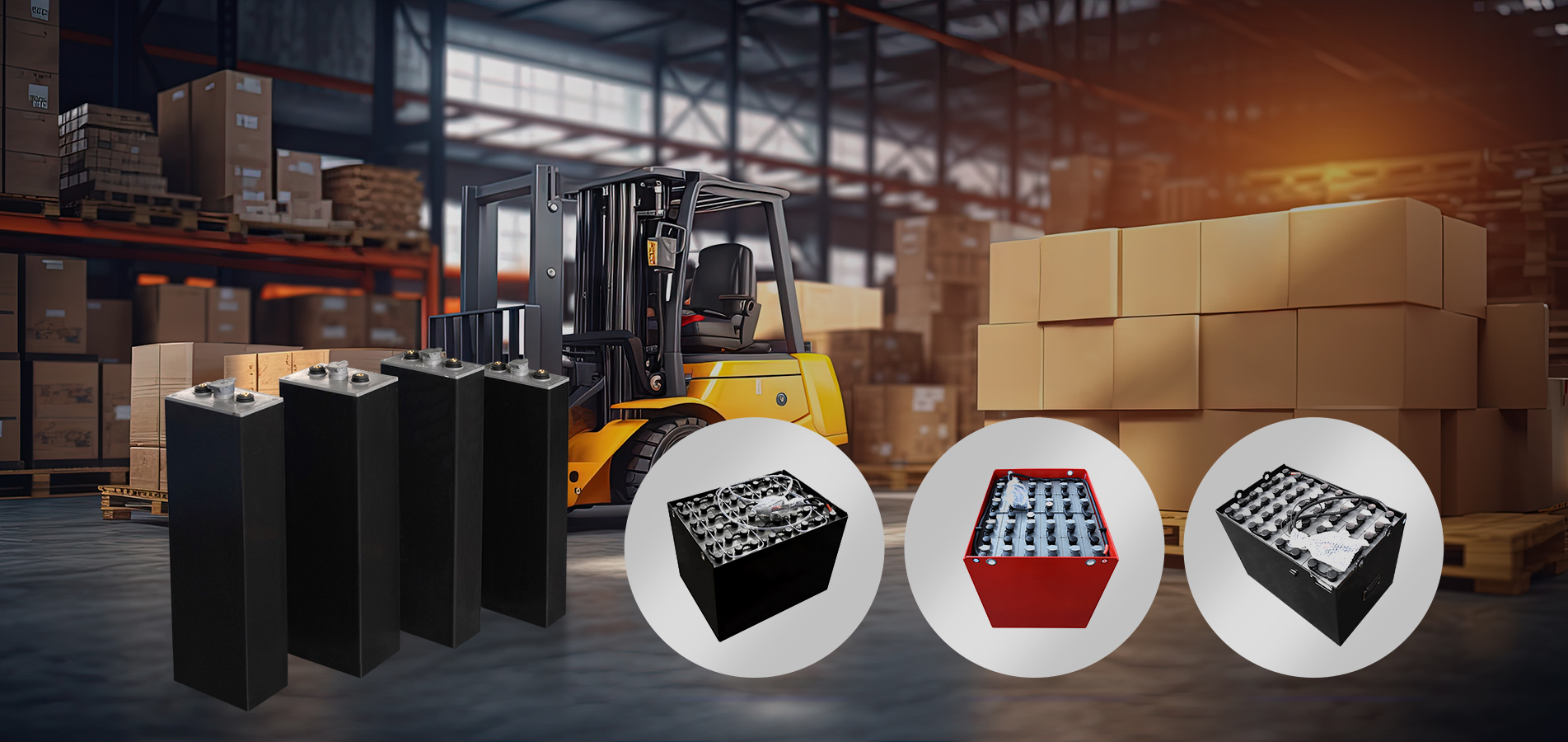
FOBERRIA offers lithium storage battery solutions for different voltage and configuration requirements. On applicable systems, the BMS can communicate with an inverter or energy management system.
Frequently Asked Questions
Does every LiFePO4 battery need a BMS?
A complete LiFePO4 battery pack normally requires a suitable BMS for cell monitoring, protection, and battery control.
Can a BMS extend LiFePO4 battery life?
A suitable BMS can reduce stress caused by overcharging, over-discharging, excessive current, high temperature, and cell imbalance. Battery life also depends on cell quality, charger compatibility, operating conditions, and installation.
Does a BMS increase battery capacity?
A BMS does not increase the physical capacity of the cells. It can help the battery use its designed capacity more consistently by balancing cells and controlling operating limits.
Can one BMS be used for all LiFePO4 batteries?
No. The BMS must match the battery voltage, cell configuration, current requirements, temperature range, charger, and communication system.
Conclusion
The BMS improves LiFePO4 battery safety by monitoring cell voltage, current, temperature, and charging conditions. It helps protect the battery against overcharge, over-discharge, overcurrent, short circuits, overheating, and cell imbalance.
It also supports better performance by maintaining stable power output, improving usable capacity, managing charging, reducing cell stress, and providing battery status information on applicable models.
For industrial applications, the BMS should be designed and configured together with the battery cells, charger, cables, enclosure, and equipment requirements. FOBERRIA provides LiFePO4 battery solutions for forklifts, cleaning machines, golf carts, electric vehicles, and energy storage systems, supporting customers with complete and application-focused battery solutions.


