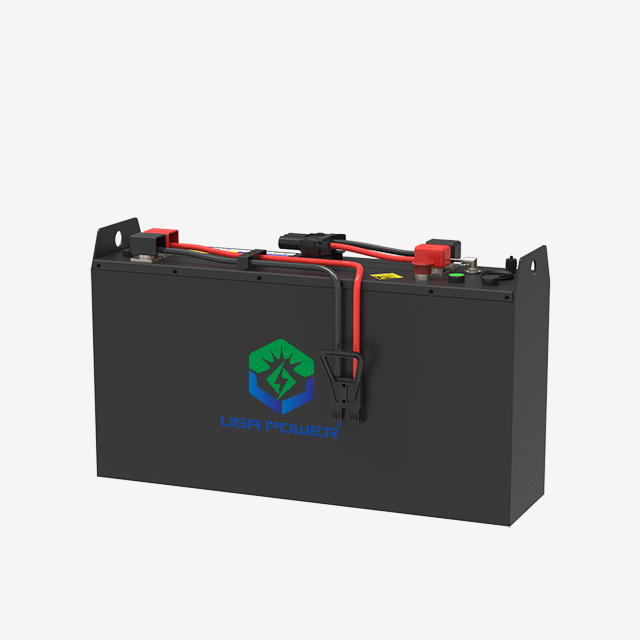
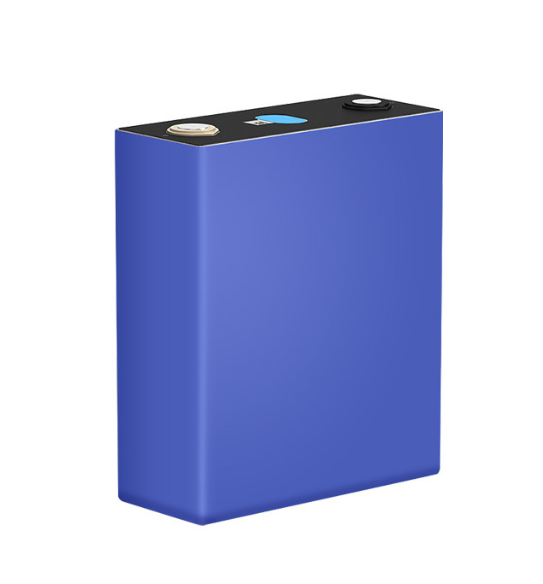
Industrial batteries include several chemistries and constructions because industrial equipment needs stored power in different ways. A forklift repeatedly discharges its battery during work, a UPS waits to support equipment during an outage, and an energy-storage installation follows a planned charging cycle. The main rechargeable types include flooded lead-acid, AGM, gel, lithium-ion and nickel-cadmium. Choosing between them starts with understanding their operating differences and intended duty. Lithium traction batteries, including forklift and golf cart packs, are useful examples of one application group within this broader industrial battery landscape.
Classify Industrial Batteries by Chemistry and Duty
Chemistry describes how a battery stores and releases energy. Duty describes what it must do in service. Lead-acid and lithium-ion are chemistry families; traction, standby and energy storage are duties. A lithium forklift battery is therefore both a lithium-ion battery and a traction battery. These labels describe different aspects of the same product and should not be compared as competing types.
Construction adds another distinction. Flooded, AGM and gel are different lead-acid designs. LiFePO4 is a lithium-ion chemistry, rather than a separate category outside lithium-ion. Sorting products this way makes industrial batteries easier to compare without creating overlapping lists.
The same chemistry can serve different duties when the cells and complete system are designed for them. A stationary battery and a vehicle pack may share a chemistry but differ in discharge capability, enclosure, connections, monitoring and charging. Application suitability belongs to the complete product, not just the chemistry name.
Flooded Lead-Acid Batteries
Flooded lead-acid batteries contain liquid electrolyte and are used in both traction and stationary installations. In industrial vehicles, tubular-plate traction cells are an established example. Their role is repeated charging and discharging while supplying the vehicle’s working load. Stationary flooded designs serve a different purpose, such as reserve power or selected storage duties.
Their maintenance requirements form part of the choice. Operators must follow the specified electrolyte inspection, watering and charging procedures, with appropriate arrangements for charging and handling. A battery selected for an existing maintenance process may remain practical when that process and the workload are well matched.
PzS and PzB identify familiar industrial traction formats, but the dimensional arrangements differ. OPzS identifies a stationary tubular flooded design. These names help distinguish construction and use; they do not establish that batteries with similar voltage can be exchanged between installations.
Flooded lead-acid is best understood as a family with application-specific versions. A buyer comparing industrial batteries should check the actual discharge duty and maintenance instructions rather than assuming every flooded design behaves like a forklift battery.
AGM and Gel Lead-Acid Batteries
AGM and gel are valve-regulated lead-acid constructions. AGM holds electrolyte in an absorbent glass-mat separator; gel uses an immobilized gel electrolyte. They avoid the routine electrolyte watering associated with flooded designs, but still need correct charging, temperature management and inspection. “Sealed” does not mean that installation conditions or service instructions can be ignored.
AGM products appear in UPS, telecommunications and other reserve-power systems, as well as selected cycling applications. Gel designs are used in selected deep-cycle and stationary duties. The specific product rating determines whether a model is appropriate for repeated cycling, short high-power discharge or longer backup operation.
Charging limits matter because an unsuitable profile can damage a valve-regulated battery. The construction name alone does not specify the charging voltage, permissible current or expected service under a particular temperature. Those values belong to the model documentation.
For a useful comparison, place AGM and gel products beside alternatives intended for the same duty. Comparing a small UPS battery with a large vehicle traction pack gives little practical information, even when both are described as industrial batteries.
Lithium-Ion Industrial Batteries
Lithium-ion batteries use several chemistries with different characteristics. LiFePO4 is used in industrial traction and storage products. The complete battery normally combines cells with a battery management system, enclosure and electrical connections. Its compatibility depends on the pack’s operating limits and the equipment interface.
A lithium traction battery supplies mobile equipment through repeated working cycles. A lithium forklift battery must support travel and lifting, while a lithium golf cart battery supports propulsion on passenger or site routes. These examples explain the traction category; they do not mean that every lithium pack is designed for either vehicle.
FOBERRIA’s LiFePO4 traction battery module is an example within its vehicle-oriented range. The relevant comparison is with other products intended for that duty, considering usable energy, discharge capability, charging arrangements and physical integration.
Lithium packs avoid routine electrolyte watering, but still require inspection and suitable operating conditions. A BMS can monitor cells and respond to configured limits; it does not replace a compatible charger or correct equipment design. Claims about charging speed and service life require model-specific conditions.
In a golf cart application, the 38.4V golf cart battery provides a concrete LiFePO4 example. Its exact rated voltage illustrates why the familiar vehicle voltage class should not be treated as a complete battery specification.
Nickel-Cadmium and Other Specialized Types
Nickel-cadmium batteries are another established industrial rechargeable type, particularly in selected stationary and demanding operating environments. Their charging, maintenance and material-handling requirements differ from those of lead-acid and lithium systems. They should be considered where the installation specification calls for them, rather than presented as a universal vehicle replacement.
Some industrial instruments also use non-rechargeable batteries for long unattended service. Those products serve low-power sensing or monitoring needs and belong to a different selection discussion from rechargeable forklift, golf cart or storage batteries. “Industrial” describes their use, not a promise that they can be recharged.
Less common storage technologies may be relevant to large stationary projects. They do not need equal space in a practical guide focused on the batteries most readers encounter in equipment and facility power systems. The important boundary is between a technology’s possible uses and a specific product’s documented application.
How to Compare the Types for an Application
Begin with duty: repeated traction work, standby support or planned energy cycling. Then compare batteries intended for that duty using the same load and operating conditions. This keeps industrial batteries comparisons meaningful and prevents a chemistry preference from taking the place of an application requirement.
Energy capacity answers how much work can be supported; power capability answers how rapidly energy can be delivered. Charging access, temperature, space and maintenance capacity narrow the choice further. A product that looks attractive on one measure may not suit the overall installation.
Type
Common industrial roles
Key distinction to check
Flooded lead-acid
Traction and stationary designs
Maintenance process and duty rating
AGM
UPS, telecom and selected cycling
Power or cycling specification
Gel
Selected deep-cycle and stationary duties
Charging limits and intended discharge pattern
Lithium-ion / LiFePO4
Traction and energy storage
Complete pack, BMS and system compatibility
Nickel-cadmium
Selected industrial reserve duties
Installation and maintenance requirements
For an existing installation, FOBERRIA’s battery replacement guidance identifies the original battery and equipment details needed to evaluate a change. A replacement review is particularly important when changing chemistry, because the charging and installation requirements can change even if the nominal voltage class stays familiar.
Conclusion
Industrial batteries are easiest to understand when chemistry, construction and duty remain separate. Flooded lead-acid, AGM, gel, lithium-ion and nickel-cadmium each include products for particular operating needs. Lithium forklift and golf cart batteries illustrate traction duty within that wider range. FOBERRIA manufactures lead-acid and lithium products; the useful choice follows the application’s discharge pattern, charging arrangements and installation requirements, with comparisons made between products intended to perform the same job.
FAQ
Are all industrial batteries rechargeable?
No. Rechargeable products dominate traction and many facility power systems, while some instruments use primary batteries that must not be recharged.
Is LiFePO4 a type of lithium-ion battery?
Yes. Lithium iron phosphate is one chemistry within the lithium-ion family.
Is a traction battery different from a lithium battery?
Traction describes the duty; lithium describes the chemistry family. A battery can be both.
Can AGM replace a flooded industrial battery?
Only when the equipment duty, charging system, electrical ratings and installation requirements are compatible.
Contact Us
SUZHOU FOBERRIA NEW ENERGY TECHNOLOGY CO,.LTD was established in 2009, Which is a professional Lead Acid battery & lithium battery solution provider. 75% of the products are exported to various countries.