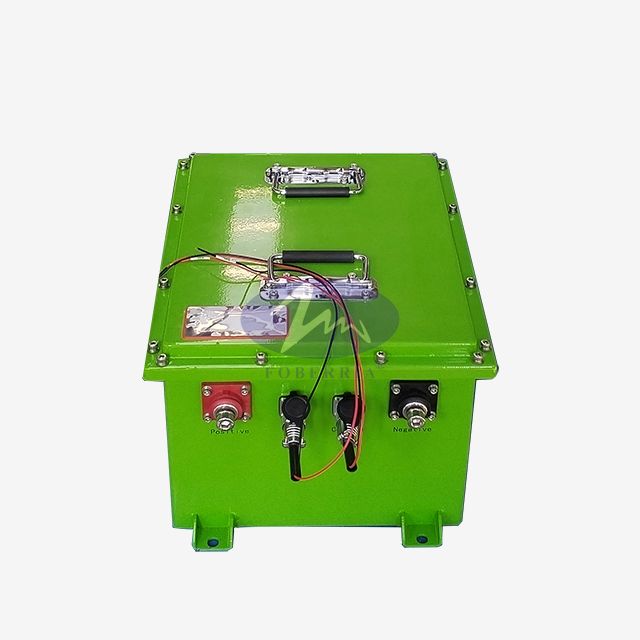
Replacing a golf cart battery bank is a massive commitment. Premature failure disrupts operations for fleet managers. It ruins weekend plans for recreational users. When your cart dies miles from the clubhouse, frustration quickly follows. You need reliable performance every single time you turn the key.
The answer to "how long will it last" depends heavily on chemistry. Lead-acid and lithium systems behave very differently under stress. Operational habits also dictate lifespan. Depth of discharge and daily charging routines play massive roles in battery health.
This guide provides an objective, data-driven look at realistic battery lifespans. We will explore clear replacement signals and provide a framework for evaluating your next upgrade. You will learn exactly what to expect from different chemistries. We will show you how to maximize your Golf Cart Batteries and ensure reliable performance for years to come.
Key Takeaways
Traditional Lead-Acid: Averages 4 to 6 years (or 500–800 charge cycles) and requires strict weekly maintenance to reach maximum lifespan.
Lithium-Ion Upgrades: Averages 10+ years (3,000–5,000 charge cycles) with zero active maintenance, though requiring a higher upfront investment.
Replacement Signals: Voltage sag under load, sluggish acceleration, and extended charge times are the most reliable indicators of a dying battery bank.
The Realistic Lifespan of Golf Cart Batteries (By Chemistry)
Industry professionals measure battery lifespan in two ways. We use charge cycles and chronological years. A charge cycle occurs when you discharge and recharge the battery. Realistic usage patterns dictate how quickly you burn through these cycles. Driving 18 holes every single day consumes cycles much faster than occasional weekend neighborhood cruising. You must factor in your specific driving habits when estimating lifespan.
Flooded Lead-Acid (FLA)
Flooded lead-acid is the oldest and most common chemistry. You can expect a lifespan of roughly 4 to 6 years. This translates to about 500 to 800 charge cycles. However, this expectation comes with a massive reality check. Reaching the 6-year mark depends entirely on strict maintenance. You must regularly check and top off water levels using distilled water. You also need to avoid deep discharges. Draining an FLA battery below 50% capacity causes severe internal sulfation. Sulfation hardens the lead plates and destroys capacity permanently.
AGM & Gel (Sealed Lead-Acid)
Absorbent Glass Mat (AGM) and Gel batteries offer a different experience. Expect a lifespan of 3 to 5 years. This equals roughly 400 to 700 charge cycles. Many users prefer them because they are sealed and maintenance-free. You never need to add water. The reality check here involves charging sensitivity. Sealed batteries are highly vulnerable to overcharging. Improper charging boils the internal electrolyte. Since they are sealed, you cannot replace lost fluids. Consequently, perfectly maintained flooded batteries usually outlast sealed variants.
Lithium-Ion (LiFePO4)
Lithium Iron Phosphate (LiFePO4) dominates the modern upgrade market. The expected lifespan exceeds 10 years. You will easily see 3,000 to 5,000 charge cycles. The reality check is overwhelmingly positive. You can safely discharge lithium batteries down to 10% capacity. Deep cycling does not degrade the core chemistry. Furthermore, lithium setups feature a built-in Battery Management System (BMS). The BMS actively protects the cells. It prevents overcharging, over-discharging, and overheating. This system eliminates almost all user error.
Battery Chemistry Lifespan Comparison
Chemistry Type
Expected Years
Charge Cycles
Maintenance Required
Depth of Discharge Limit
Flooded Lead-Acid
4 - 6 Years
500 - 800
High (Watering, Cleaning)
50%
AGM / Gel
3 - 5 Years
400 - 700
Low (Keep Clean)
50%
Lithium-Ion (LiFePO4)
10+ Years
3,000 - 5,000+
None
90%
5 Signs It’s Time to Replace Your Golf Cart Batteries
Knowing when to replace your setup requires objective evaluation criteria. You need to separate temporary charging issues from terminal battery failure. Many owners mistakenly discard good batteries due to a faulty charger. Look for clear, measurable performance indicators.
Severe Range Reduction & Voltage Sag
Range reduction is the most obvious sign of battery failure. Your cart might run perfectly on flat pavement but struggle on inclines. It might die completely after a fraction of its normal distance. This happens due to voltage sag. As batteries age, their internal resistance increases. When you press the accelerator, the motor demands high current. High internal resistance causes the voltage to plummet immediately. The motor loses power, and the cart crawls to a stop.
Extended Charging Durations
Pay close attention to your charging cycle. A healthy bank usually charges in 6 to 8 hours. If your charger runs for 12 or more hours without shutting off, you have a problem. This continuous charging indicates the cells cannot reach their optimal target voltage. The charger keeps pushing current, trying to hit a threshold the battery can no longer achieve. This often leads to boiling the electrolyte and severe overheating.
Physical Degradation
Visual inspections reveal terminal failure quickly. Look closely at the battery cases. Bulging or swollen plastic cases indicate extreme internal pressure. This pressure results from overcharging or excessive heat buildup. Severe terminal corrosion that returns immediately after cleaning suggests leaking gas. Puddles of acid under the cart present an immediate safety hazard. You must replace physically damaged batteries immediately to prevent chemical burns or fires.
Multimeter Load Testing Failures
You cannot rely on resting voltage alone. A dying battery might show a perfect 48 volts while parked. The true test happens under load. Connect a digital multimeter to the main positive and negative terminals. Watch the screen while you press the accelerator. The voltage will naturally drop slightly. However, if the voltage drops sharply and fails to recover, the cells are dead. For example, a 48V bank dropping to 38V under load requires immediate replacement.
Age Timeline
Chronological age dictates replacement schedules even for lightly used carts. If your lead-acid bank has surpassed the 5-year mark, you are living on borrowed time. Chemical degradation happens constantly. Even if you store the cart perfectly, the internal lead plates slowly deteriorate. If your setup exhibits any performance issues after five years, do not waste money on revitalizing chemicals. It is time for a full replacement.
Lead-Acid vs. Lithium: Evaluating Long-Term Performance
Evaluating your next upgrade requires looking beyond sticker prices. You must analyze the long-term operational impact. Transitioning between chemistries fundamentally changes how your cart drives and how you maintain it.
First, consider weight reduction dynamics. Traditional lead-acid setups are incredibly heavy. A standard 48V flooded bank weighs roughly 350 to 400 pounds. A comparable lithium setup weighs around 100 pounds. Shedding 250 pounds transforms your cart. The reduced weight inherently decreases wear on your tires. Your suspension system absorbs bumps easier. The electric motor works less to achieve top speed. Furthermore, carrying less weight translates directly to slightly increased range on every charge.
Next, evaluate maintenance labor over a decade. Traditional batteries demand constant attention. You must wear protective gear to top off distilled water. You need to neutralize acid buildup on terminals using baking soda and wire brushes. Failing to winterize them properly guarantees permanent damage. Lithium batteries eliminate all this labor. You install them once and never touch them again. They do not leak acid. They do not require watering. They do not corrode your battery tray.
Finally, look at performance consistency. Lead-acid performance drops as the charge depletes. Your cart will feel significantly slower at 40% capacity than at 100%. Lithium provides a flat discharge curve. The voltage remains remarkably steady until the battery is almost completely dead. Your cart maintains full speed and climbing power whether you are at 90% or 20% capacity.
Implementation Risks: What to Know Before Upgrading
Switching battery chemistries introduces unique adoption risks. Upgrading is rarely a simple drop-in process. You must ensure a smooth transition by addressing compatibility issues before you buy.
Charger Compatibility
Lithium batteries require very specific charging profiles. They use a Constant Current / Constant Voltage (CC/CV) algorithm. Older lead-acid chargers use different algorithms designed to slightly overcharge the plates. If you connect an old charger to a new lithium bank, the BMS will trigger a safety shutdown. The battery will fail to charge properly. You must purchase a dedicated lithium charger matched to your specific chemistry.
Voltage Requirements (36V, 48V, 72V)
Always verify your cart’s motor controller voltage. If your cart currently runs a 36V system, you must buy a 36V replacement bank. Do not arbitrarily increase the voltage to 48V hoping for more speed. Feeding 48 volts into a 36-volt controller will instantly fry the electronics. If you want to increase voltage for performance, you must also upgrade the motor, controller, and solenoid simultaneously.
Space & Form Factor
Managing the physical footprint causes frustration for many owners. Lithium setups are significantly smaller than traditional GC2-sized lead-acid blocks. A single 48V lithium module might take up only one-third of the battery tray. Leaving empty space allows the battery to slide around during transit. You must secure the new setup properly. Purchase or build mounting brackets. Secure the modules tightly to prevent vibration damage to internal connections.
Cold Weather Limitations
LiFePO4 chemistry has one major weakness regarding temperature. You cannot charge lithium batteries in freezing temperatures. Attempting to push charge current into a freezing lithium cell causes permanent lithium plating on the anode. This instantly ruins the battery. Many premium brands now include internal heaters. The BMS uses the incoming charger power to warm the cells before allowing the charge cycle to begin. If you live in a cold climate, internally heated batteries are mandatory.
How to Shortlist and Buy Your Next Battery Setup
Choosing the right product involves a strict buyer's checklist. When you finally decide to upgrade your Golf Cart Batteries, capacity and output are your first hurdles. Focus on three main criteria.
Verify Capacity Needs (Amp Hours - Ah)
Battery capacity is measured in Amp Hours (Ah). Think of Ah as the size of your gas tank. Matching Ah to your desired range prevents range anxiety. A 60Ah lithium setup works perfectly for standard use. It covers standard 18-hole rounds and brief neighborhood trips. However, if you have a lifted cart, carry heavy passengers, or want extended range, you need more capacity. Look for 105Ah to 160Ah setups. More Ah means more miles between charges.
Check the Continuous Discharge Rate
Capacity tells you how far you can go. The discharge rate tells you how much power you can deliver at once. Your motor controller pulls massive amps when climbing steep hills. You must ensure the battery can supply enough continuous amps. Look for a minimum continuous discharge rate of 100A to 150A. If you install a battery with a weak discharge rate, the BMS will shut down the power during hill climbs to protect the cells.
Warranty Evaluation
Never ignore the fine print in a battery warranty. Look closely for prorated versus full-replacement clauses. A prorated warranty decreases in value every year. By year four, you might only get a 20% discount on a replacement. Top-tier brands offer 8 to 10-year full-replacement warranties. They replace the entire unit for free if it fails due to manufacturing defects. A strong warranty reflects the manufacturer's confidence in their internal BMS and cell quality.
Common Installation Mistakes to Avoid
Using undersized battery cables that cause excessive heat and voltage drop.
Bypassing the BMS by wiring accessories directly to individual 12V cells.
Failing to clean the battery tray before dropping in the new units.
Leaving the tow/run switch in the "run" position during installation.
Conclusion
Understanding battery chemistry dictates how you maintain your cart. Flooded lead-acid remains a viable choice if you plan to sell the cart soon. However, it demands rigorous weekly maintenance and careful charging habits. Upgrading to lithium iron phosphate eliminates maintenance entirely. It drastically reduces cart weight, improves acceleration, and provides over a decade of reliable service.
Take action before you get stranded. Grab a multimeter and perform a load test on your current setup. Check the physical condition of your terminals. If you notice sluggish acceleration or extended charge times, start planning your replacement immediately. Evaluate your daily range needs, confirm your controller voltage, and choose a setup that guarantees reliable power for the next ten years.
FAQ
Q: Can I mix old and new golf cart batteries?
A: No, you should never mix old and new batteries. A battery bank operates as a single unit. It is only as strong as its weakest cell. Mixing ages causes severe performance throttling. The new batteries will overwork themselves trying to compensate for the old ones, leading to premature failure across the entire bank.
Q: How should I store my golf cart batteries over the winter?
A: Fully charge the battery bank before putting the cart into storage. Once fully charged, disconnect the main negative cable. This prevents parasitic electrical draws from draining the cells. Check the resting voltage once a month. If the voltage drops significantly, reconnect the cables and run a full charge cycle.
Q: Will leaving my golf cart plugged in ruin the battery?
A: It depends on your charger. Modern smart chargers monitor voltage and automatically shut off when the cycle finishes. They will not ruin the battery. However, older trickle chargers push a constant low current indefinitely. Leaving an older charger plugged in will boil lead-acid electrolyte and destroy the internal plates.
Q: How do you test a golf cart battery with a multimeter?
A: Set your multimeter to DC voltage. Touch the red probe to the main positive terminal and the black probe to the main negative terminal. Note the resting voltage. Next, engage the accelerator slightly while watching the screen. If the voltage drops massively and does not recover instantly, the cells are failing under load.