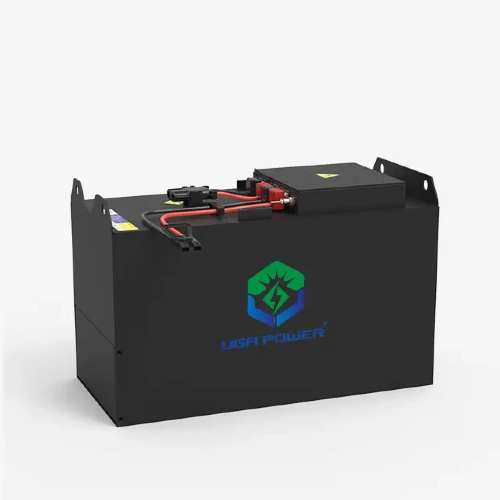
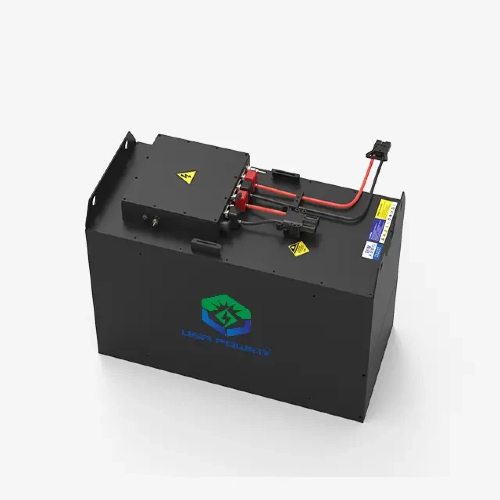
![What Is The Charging Cycle of A Forklift Battery?]()
Forklifts are integral to many industries, including logistics, manufacturing, and warehousing. These machines rely heavily on the power provided by their batteries, making the type of battery and its charging cycle crucial to their overall performance and longevity. One of the most commonly used battery types for forklifts is the Deep Cycle Forklift Battery. In this article, we will explore the charging cycle of a forklift battery, the factors affecting it, and the best practices for maintaining these batteries to ensure they work at peak efficiency for the longest period possible.
1. Overview of Forklift Batteries
Forklifts are designed to lift, move, and transport heavy loads across short distances, often over long hours. As a result, they require a reliable and durable power source. This is where forklift batteries come into play. Forklift batteries provide the energy required to power the vehicle and its operations.
However, not all batteries are created equal. Forklifts require batteries that can provide a steady flow of energy over extended periods. Deep cycle forklift batteries are designed specifically for this purpose, as they can handle prolonged discharges and frequent recharges.
2. Importance of Charging Cycles
The charging cycle of a forklift battery is crucial because it directly impacts the battery's efficiency, lifespan, and overall performance. Understanding how a charging cycle works, as well as how to maintain it properly, ensures that your forklift operates smoothly and that the battery lasts longer. Deep cycle forklift batteries are engineered to handle multiple charging cycles, making them ideal for forklift applications.
3. What is a Charging Cycle in a Forklift Battery?
Definition of a Charging Cycle
A charging cycle refers to the process of discharging a battery from 100% to a specific low level (typically 20-30%) and then recharging it back to full capacity. A single cycle is counted every time the battery undergoes this complete process. In the case of deep cycle forklift batteries, a cycle involves a significant discharge and recharge, allowing the battery to provide consistent power over extended periods.
Unlike standard car batteries, which are designed for short bursts of power, deep cycle batteries are built to handle long periods of energy discharge and recharging. Forklifts that rely on deep cycle batteries often undergo multiple cycles during their daily operation.
Deep Cycle Battery vs. Regular Battery
Deep Cycle Battery: Designed for continuous discharge and recharge cycles. Deep cycle forklift batteries are made to provide a steady, continuous power output over a long period, making them ideal for forklifts, scissor lifts, and other industrial vehicles.
Regular Battery: Typically designed for high bursts of power, such as car batteries. They are not built to be discharged deeply or used for extended periods. Regular batteries are used in applications where a short burst of power is needed, such as starting a vehicle.
The primary difference is that deep cycle batteries are optimized for long-term energy delivery and are able to handle many discharge and recharge cycles without significant degradation.
4. The Charging Process of a Deep Cycle Forklift Battery
Step-by-Step Charging Cycle Process
Understanding the charging process of a deep cycle forklift battery helps to maximize its lifespan and ensure that it operates efficiently. The process can be divided into three key stages: bulk charge, absorption charge, and float charge.
Bulk Charge
The bulk charge phase occurs when the battery is charged from an empty or low state (around 20% charge) to about 80%. This is the fastest phase of the charging process. During this stage, the battery is receiving a large current of electricity, which quickly replenishes its charge.
Duration: Typically, the bulk charge phase lasts for around 4-6 hours, depending on the battery size and charging system.
Purpose: To rapidly charge the battery to 80% of its total capacity.
Absorption Charge
Once the battery reaches 80% charge, the charging process slows down. The absorption charge phase is slower and more controlled, with the charging current gradually tapering off as the battery approaches its full charge. This phase ensures that the battery does not overcharge, which can shorten its lifespan.
Float Charge
After the battery has reached full charge, it enters the float charge phase. During this stage, the battery is kept at 100% charge but with a lower current to prevent overcharging. This phase is designed to maintain the battery’s full charge without overloading it.
Duration: Float charging can last indefinitely, as long as the battery is kept in use or connected to the charger.
Purpose: To maintain the battery at full charge without the risk of overcharging.
Time Duration of Charging Cycle
For most deep cycle forklift batteries, the entire charging cycle, from empty to full, typically takes between 6 to 8 hours. However, this can vary depending on the battery's size, the charger used, and the specific battery technology (lead-acid or lithium-ion). Lithium-ion batteries tend to charge faster than lead-acid batteries, with some models capable of reaching full charge in less than 2 hours.
![Deep Cycle Forklift Battery]()
5. Key Factors Affecting Forklift Battery Charging Cycles
Battery Type: Lead-Acid vs. Lithium-Ion
Battery Type | Lead-Acid Batteries | Lithium-Ion Batteries |
Cost | Lower initial cost | Higher initial cost |
Maintenance | Requires regular maintenance (water and cleaning) | Minimal maintenance required |
Lifespan | 1,000–1,500 cycles | 3,000–5,000 cycles |
Charging Speed | Slower charging time | Faster charging time |
Energy Efficiency | Less efficient than lithium-ion | More efficient, less energy loss during charging |
Weight | Heavier than lithium-ion batteries | Lighter, reducing overall forklift weight |
Environmental Impact | Less eco-friendly | More eco-friendly and recyclable |
Lead-Acid Batteries:
Lead-acid batteries are commonly used in forklifts due to their cost-effectiveness. However, they require regular maintenance, such as checking water levels and cleaning terminals, and they are slower to charge than lithium-ion batteries. Their lifespan is generally shorter, with a typical range of 1,000 to 1,500 charging cycles.
Lithium-Ion Batteries:
Lithium-ion batteries offer faster charging times, a longer lifespan (up to 5,000 cycles), and require minimal maintenance. They are lighter and more energy-efficient, making them ideal for modern forklifts that require high performance and minimal downtime. The higher initial cost is offset by their longer lifespan and lower total cost of ownership.
Temperature Influence
Temperature plays a significant role in the charging cycle of a forklift battery. Extreme temperatures—either hot or cold—can reduce the efficiency of the charging process and the battery’s performance. Charging a battery in an extremely cold environment, for example, can cause the battery to charge slowly and inefficiently. On the other hand, excessive heat can lead to overcharging and battery damage.
Cold Temperatures: In cold environments, the chemical reactions inside the battery slow down, making charging less efficient and extending the charging cycle.
Hot Temperatures: High temperatures can cause the battery to overheat, leading to potential damage or even shortened lifespan.
Charging Equipment and Settings
The charging equipment used also plays a critical role in the efficiency of the charging cycle. A proper charger tailored to the battery type ensures the correct amount of voltage and current are supplied throughout the cycle. For deep cycle batteries, using a charger with automatic shutoff and temperature compensation features will help prevent overcharging and overheating, ensuring a longer battery life.
Depth of Discharge (DoD)
The Depth of Discharge (DoD) refers to how deeply a battery is discharged before being recharged. Deep cycle batteries are designed to handle deeper discharges (typically up to 80%) without causing damage. However, regularly discharging a battery to its lowest capacity can reduce its lifespan and the number of charging cycles it can handle.
Forklifts should aim to charge their batteries when the charge level reaches 20-30% to maximize the lifespan of the battery. Avoid discharging the battery completely whenever possible.
6. How Often Should You Charge a Forklift Battery?
Signs that a Forklift Battery Needs Recharging
Forklift operators should be aware of when the battery is running low on power. The following signs indicate that it’s time to recharge the forklift battery:
Reduced Lift Capacity: If the forklift is having trouble lifting loads or is moving more slowly than usual, the battery may be running low.
Shorter Operating Times: If the forklift is needing to be charged more frequently than before, it may indicate that the battery is not holding charge as well as it should.
Battery Voltage Reading: Monitoring the battery voltage with a voltmeter can give a clear indication of when the battery charge level is low.
Optimal Charging Practices
To ensure the deep cycle forklift battery lasts as long as possible, follow these optimal charging practices:
Recharge at 20-30% Capacity: Avoid waiting until the battery is completely discharged before charging it. Recharging the battery at 20-30% capacity is best for maintaining the battery’s health.
Avoid Partial Charges: While it’s okay to top off a battery, fully charging the battery every time is essential for long-term performance.
Avoiding Overcharging
Overcharging can lead to heat buildup, reduced capacity, and a shortened battery lifespan. Ensure that the charger automatically shuts off once the battery reaches 100% or that the forklift is disconnected once fully charged.
7. Importance of Proper Charging for Forklift Battery Life
Maintaining Battery Health
Proper charging is crucial for maintaining the health of a forklift battery. By following the recommended charging practices, you ensure that the battery continues to provide reliable power over a long period. A well-maintained battery requires fewer replacements, reduces operational downtime, and lowers maintenance costs.
How Charging Cycles Affect Battery Longevity
The number of charge cycles a battery can handle is directly related to how well it is maintained. Deep cycle forklift batteries are designed for many cycles, but repeated overcharging or deep discharging can reduce the total number of cycles the battery can go through before it needs to be replaced.
By ensuring that the forklift is charged properly and at the right times, you can extend the life of the battery and get the most out of your investment.
Best Practices for Charging and Maintenance
Always use the appropriate charger for your battery type.
Perform regular maintenance checks to ensure the battery is in good condition.
Keep the battery clean and inspect for any signs of damage or wear.
Store the battery in a temperature-controlled environment when not in use.
8. Conclusion
The charging cycle of a deep cycle forklift battery plays a crucial role in its overall performance and lifespan. Understanding the three key stages—bulk charge, absorption charge, and float charge—can help ensure that the battery operates at its best. By following proper charging practices, such as recharging when the battery reaches 20-30% capacity, you can significantly enhance its efficiency and longevity.
At SUZHOU FOBERRIA NEW ENERGY TECHNOLOGY CO., LTD., we understand the importance of maintaining forklift battery health for optimal productivity. Our high-performance deep cycle forklift batteries are designed to provide consistent power, improve operational efficiency, and minimize downtime. By choosing our advanced battery solutions, you can extend the life of your forklifts and reduce maintenance costs in the long run.
If you're looking for reliable and efficient deep cycle forklift batteries to meet your operational needs, we invite you to reach out to us. Our expert team is ready to assist you in selecting the best battery solution to optimize your forklift performance and ensure a seamless working environment.
9. FAQ
Q1: How often should a deep cycle forklift battery be charged?
Answer: Deep cycle forklift batteries should be recharged after each shift or when the charge level drops to around 20-30%. Avoid letting the battery discharge completely.
Q2: What is the typical charging time for a deep cycle forklift battery?
Answer: The typical charging time for a deep cycle forklift battery is between 6-8 hours, depending on the battery size and charger used.
Q3: Can overcharging a deep cycle forklift battery damage it?
Answer: Yes, overcharging a deep cycle forklift battery can reduce its lifespan. It is important to use chargers with automatic shut-off features to prevent overcharging.
Q4: What is the difference between a deep cycle and a regular forklift battery?
Answer: A deep cycle forklift battery is designed for prolonged discharge and recharge cycles, while regular batteries are designed for short bursts of energy, making them unsuitable for continuous operations like those of a forklift.
Q5: How does temperature affect the charging cycle of a forklift battery?
Answer: Extreme temperatures can reduce the efficiency of the charging cycle. Cold temperatures slow down the charging process, while high temperatures can cause overcharging and damage the battery.