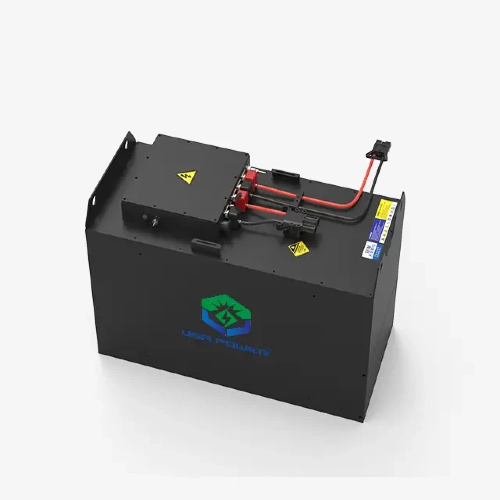
![How Many Years Do Forklift Batteries Last?]()
Introduction
Forklifts can feel unstoppable, until a battery suddenly quits mid-shift. When you are buying or managing forklift batteries, the big question is simple: how many years do they really last?
In this article, we explain typical lifespan ranges for lead-acid and lithium packs, and the key factors that change them, like cycles per day, charging habits, and temperature. You will also learn how to spot end-of-life signs early and use practical routines to help your forklift batteries last longer.
Average lifespan of forklift batteries by battery type
Lead-acid forklift batteries: typical years and cycle ranges
Most traditional electric forklifts use lead-acid batteries. In real operations, they usually last between three and five years. This range assumes proper watering, correct charging, and mild temperatures. A lead-acid battery lifespan is often measured in charge cycles. Many models are rated for about 1,200 to 1,500 cycles (needs verification). If a forklift uses one full cycle per day, five years is possible. With two shifts per day, cycle limits arrive much faster. Missed watering or deep discharge can shorten life quickly. So calendar years alone never tell the full story.
Lithium-ion forklift batteries: typical years and cycle ranges
Lithium-ion forklift batteries often last longer in daily use. Many LiFePO4 packs are rated for 3,000 to 5,000 cycles (needs verification). That cycle count can translate to eight or even ten years. It depends on how often the battery is charged and discharged. Lithium batteries handle partial charging better than lead-acid. They also maintain stable voltage across the shift. This reduces stress during heavy lifting tasks. Sealed design and BMS control also limit user damage. For high-use fleets, lithium often delivers longer service life.
How shifts convert cycle life into years
Cycle ratings matter only when linked to daily operation. A single-shift fleet may use one cycle per day. At 250 workdays per year, that equals 250 cycles annually. A 1,500-cycle battery could then last six years. In contrast, a two-shift fleet may use two cycles per day. That doubles annual cycles and cuts calendar life in half. Three-shift operations shorten lifespan even faster. So years depend directly on how fast cycles accumulate. This is why duty cycle planning matters so much.
Why published forklift battery lifespan numbers vary
Manufacturers often list ideal lifespan figures. Those numbers assume controlled charging and mild temperatures. Real sites rarely match lab conditions perfectly. Depth of discharge also changes outcomes. Shallow discharge extends life, while deep discharge reduces it. Charging speed, cooling time, and operator habits also matter. So different fleets see very different results from similar batteries. Buyers should treat published numbers as benchmarks, not guarantees.
Note: Always compare lifespan claims under similar usage assumptions.

What shortens forklift batteries’ life the fastest
Discharge habits that reduce lifespan
Deep discharge is a major lifespan killer. Running batteries until power drops to zero causes stress. Lead-acid batteries suffer sulfation under repeated deep discharge. Lithium batteries tolerate deeper discharge, but limits still apply. Frequent overloads during lifting also increase wear. Short runs followed by full drain cycles are risky. Balanced discharge patterns protect internal components. Operators should avoid pushing trucks past safe limits. Clear training reduces accidental over-discharge events.
Charging behaviors that wear forklift batteries early
Wrong chargers can damage forklift batteries quickly. Voltage mismatch and incorrect profiles cause overheating. Lead-acid batteries need full charging and cooling periods. Skipping cool-down accelerates plate corrosion. Lithium batteries support faster charging, but limits remain. Extreme fast charging raises internal temperature. Repeated overheating reduces long-term capacity. Smart charging rules protect battery health over time.
Temperature, humidity, and site conditions
Heat is one of the biggest aging factors. High temperatures speed up chemical reactions inside batteries. Cold environments reduce available capacity and charging efficiency. Cold storage sites often see shorter calendar life. Humidity and dust also affect terminals and cables. Poor ventilation traps heat during charging. Clean, well-ventilated charging areas extend battery lifespan.
Tip: Monitor battery temperature during peak seasons to spot risks early.
How to estimate how many years your forklift batteries will last
A simple lifespan calculator B2B teams can use
Estimating lifespan does not require complex software. Start with the rated cycle life of the battery. Next, estimate how many cycles the forklift uses daily. Multiply daily cycles by working days per year. Then divide total cycle rating by annual cycles. The result gives a rough lifespan in years. Adjust downward for harsh temperatures or heavy loads. Adjust upward for shallow discharge and good maintenance. This method gives a practical planning baseline.
What data to collect before you forecast battery life
Accurate estimates depend on real data. Track runtime per shift and charging frequency. Record how often batteries reach low charge levels. Review charger logs if available. Lithium systems may provide BMS usage data. Maintenance logs also reveal stress patterns. Even simple spreadsheets improve forecast accuracy. Good data turns guesses into informed decisions.
Planning replacement budgets and spares
Knowing lifespan helps budget planning. Lead-acid fleets may need spare batteries for swaps. That increases upfront investment and storage space needs. Lithium fleets often avoid spare packs. Replacement planning should match peak demand seasons. Staggered replacement reduces capital spikes. Clear forecasts support smoother procurement cycles.
Battery type | Cycles/day | Estimated years |
Lead-acid | 1 | 5–6 |
Lead-acid | 2 | 2.5–3 |
Lithium-ion | 1 | 8–10 |
Lithium-ion | 2 | 4–6 |
Signs your forklift batteries are near end-of-life
Noticeable runtime drop and power sag
Reduced runtime is often the first warning sign. Forklifts may need more charging breaks during normal work. Lift speed may slow near the end of a shift. Voltage sag becomes more visible under heavy loads. Operators may also report weaker travel speed on ramps. These symptoms usually worsen week by week. To confirm it, compare today’s runtime to a clean baseline. Use the same route, same load, and same shift length. If you have a meter, record voltage under lift load. A large drop during lifting points to internal resistance. For lithium, repeated “low SOC” alarms can also appear earlier. For lead-acid, it may feel fine at first, then drop fast.
Slower charging, heat, or frequent faults
End-of-life batteries often charge more slowly than before. They may also get hotter during charging, even at normal settings. For lead-acid, you may notice stronger gassing and more heat near the end. For lithium, the BMS may limit current to protect cells. That can stretch charging time and reduce usable hours. Frequent faults, resets, or “cell imbalance” warnings also matter. Do not ignore them, even if the truck still runs. Check charger output and cable condition, since they can mimic battery issues. If charger checks pass, the battery is likely aging. At that point, plan replacement before peak season hits.
Physical warning signs and safety red flags
Visible damage is a serious concern and needs fast action. Corrosion around terminals often means heat and chemical breakdown. Cracked cases, leaks, or wet residue suggest internal failure or handling damage. Swelling or deformation can indicate gas buildup or thermal stress. Strong odors or smoke require immediate shutdown and isolation. Any of these signs demand inspection by trained staff. Keep a clear “stop-use” rule for operators and supervisors. Also keep a safe quarantine area away from traffic and heat sources. Document the condition using photos and a short log entry. It helps warranty claims and internal safety reviews.
Note: Stop using any battery showing swelling or overheating.
How to make forklift batteries last longer
Lead-acid best practices for longer service life
Good routines extend lead-acid battery life more than most people expect. Water only after charging, not before, since levels rise during charge. Use distilled water, because minerals can damage cells. Keep the top clean and dry to prevent tracking currents. Aim to avoid very deep discharge during daily work. Many teams use a “stop point” before the battery feels weak (needs verification). Follow equalization rules if your supplier recommends them. Do it too often and you waste water and heat the pack. Do it too rarely and cells drift out of balance. Also inspect cables, lugs, and connectors weekly, since loose hardware creates heat.
Lithium forklift batteries best practices
Lithium batteries need less routine care, yet habits still shape lifespan. Use only approved chargers, since profiles must match the pack limits. Avoid extreme fast charging unless your supplier supports it in writing. Keep connectors clean and tight, because arcing can damage terminals. Watch BMS alerts and do not “clear and ignore” them. If the pack limits current, treat it as a signal, not a nuisance. Manage temperature during charging, especially in summer or near ovens. If your site uses cold storage, confirm low-temperature charging rules. Some packs restrict charging below set limits (needs verification). Simple discipline can protect thousands of cycles over time.
Charging-area SOPs that protect battery health
Clear SOPs protect batteries and reduce operator confusion. Mark parking spots and keep chargers easy to reach. Protect cables from forklift tires and pallet edges. Ensure ventilation removes heat, especially for lead-acid charging rooms. Keep chargers off wet floors and away from washdown spray. Post simple steps near the station, using the same language as your team. Include “when to stop” rules for heat, smell, and damaged connectors. Add a quick weekly station inspection, since broken plugs cause hidden downtime. If you share chargers across shifts, label them by voltage and type. It prevents wrong connections and reduces avoidable failures.
Training and monitoring that prevent repeat damage
Operator behavior affects lifespan every day and across every shift. Training should explain why discharge limits protect battery health. Teach them how to spot early signs, like heat and loose lugs. Use a short checklist at shift start and shift end. Supervisors can review logs weekly and coach repeat issues. If you have BMS data, review trends on temperature and charge rates. If you do not, track simple data like runtime and charge duration. Small trends often predict big failures later. A steady feedback loop makes the whole fleet last longer, not just one battery.
Tip: Short weekly checks often save months of battery life.
Issue | Impact | Prevention |
Deep discharge | Shortens life | Set discharge limits |
Overheating | Accelerates aging | Improve ventilation |
Wrong charger | Causes damage | Match charger profile |
Poor maintenance | Increases failures | Use checklists |
Choosing lead-acid vs lithium forklift batteries for lifecycle value
Total cost of ownership over the battery’s lifespan
Purchase price tells only part of the story for B2B buyers. Lead-acid batteries often cost less upfront, which helps capex budgets. Yet they can add labor costs for watering, cleaning, and battery handling. They also add downtime due to long charging and cooling windows. Lithium batteries usually cost more at the start, but they often reduce labor and unplanned downtime. They also tend to waste less energy during charging, which can lower power cost (needs verification). When you compare options, price the full system, not just the pack. Include chargers, electrical upgrades, space needs, and safety controls. Then add replacement timing across five to ten years. That is where lifecycle value becomes clear.
Which battery type fits single-shift vs multi-shift operations
Single-shift operations often suit lead-acid batteries, since overnight charging fits the schedule. If you have a stable workload and trained staff, it can be a solid choice. Multi-shift operations often favor lithium, since it supports short charging breaks. It also keeps output steady and reduces end-of-shift slowdown. Two shifts can be the tipping point, because swap labor and spare packs get expensive. If you run three shifts, downtime becomes a top risk. Lithium can help, but you must plan charger access and power demand. Fuel cells may also appear in very large hubs, though infrastructure is heavy. Your duty cycle should drive the choice, not a trend.
What to ask vendors about warranty and support
Warranty terms reveal real confidence and real limits. Ask whether coverage is based on years, cycles, or both. Ask what conditions void warranty, like wrong chargers or high heat. Confirm service response time and spare parts availability. For lithium, ask how they diagnose issues, since BMS logs often matter. For lead-acid, ask about watering guidance and equalization schedules. Also ask about recycling, return shipping, and end-of-life handling. A strong supplier will offer clear SOPs and training support. They should also help you size chargers and charging layout. Good support reduces risk more than a small price discount.
Factor | Lead-acid | Lithium-ion |
Typical years | 3–5 | 6–10 |
Maintenance | High | Low |
Charging speed | Slow | Fast |
Downtime | Higher | Lower |
Conclusion
Forklift batteries can last a few years, or much longer. It depends on battery type, cycles per day, and daily charging habits. If you track runtime, heat, and early warning signs, you can plan replacements and avoid surprise downtime.
For fleets upgrading to lithium, SUZHOU FOBERRIA NEW ENERGY TECHNOLOGY CO,.LTD. provides LiFePO4 forklift batteries built for long cycle life and fast charging. Their smart BMS adds strong protection, and they support flexible specs plus responsive after-sales service.
FAQ
Q: How many years do forklift batteries usually last?
A: Forklift batteries often last 3–5 years for lead-acid, and longer for lithium, depending on cycles per day and care.
Q: What shortens forklift batteries’ lifespan the most?
A: Forklift batteries wear faster from deep discharge, overheating, wrong chargers, and inconsistent maintenance routines.
Q: How can I make forklift batteries last longer?
A: Help forklift batteries last longer by avoiding deep discharge, keeping terminals clean, using the right charger, and following simple weekly checks.
Q: Why do forklift batteries last fewer years in multi-shift fleets?
A: Forklift batteries age faster because more shifts mean more cycles per day, so cycle life is used up sooner.
Q: How do I know forklift batteries are near end-of-life?
A: Forklift batteries near end-of-life show shorter runtime, power sag under load, extra heat during charging, and more frequent faults.