![What Kind of Batteries Are Used in Forklifts?]()
Introduction
Forklifts keep work moving fast, but one weak battery can stop a whole shift.
So, what kind of batteries are used in forklifts? In this guide, we break down forklift batteries in plain terms, compare lead-acid, lithium, and fuel cells, and show you how to choose the best fit for your fleet.
Forklift batteries used today: the main options you’ll actually see
Lead-acid forklift batteries (flooded)
Flooded lead-acid is the most familiar option in older electric fleets. It uses liquid electrolyte, so it needs regular watering and careful cleaning. Many buyers like the lower upfront price and the broad service network. Yet it demands time, training, and a safe charging area. Charging often takes a full cycle, then a cooling period before use. If you run multiple shifts, you may also need spare packs and swap equipment. It can still fit stable operations, especially when downtime is predictable.
Sealed or low-maintenance lead-acid forklift batteries
In forklift applications, most lead-acid batteries are still flooded types, while sealed or low-maintenance variants are far less common. While some legacy VRLA or low-maintenance designs exist, they are increasingly rare in modern material handling. Most industrial operations find that these variants do not offer the durability of flooded lead-acid or the efficiency of lithium-ion, leading most factories to phase them out of production.
They remain heavy and typically do not offer significant advantages in charging speed or cycle life compared to standard flooded lead-acid batteries. Under intensive duty cycles, heat buildup can still affect performance and lifespan.
In practice, most operations either continue using traditional flooded lead-acid batteries or move directly to lithium-ion solutions. When considering less common lead-acid variants, buyers should carefully verify real-world performance, service support, and long-term availability.
Lithium-ion forklift batteries (LiFePO4 as the workhorse chemistry)
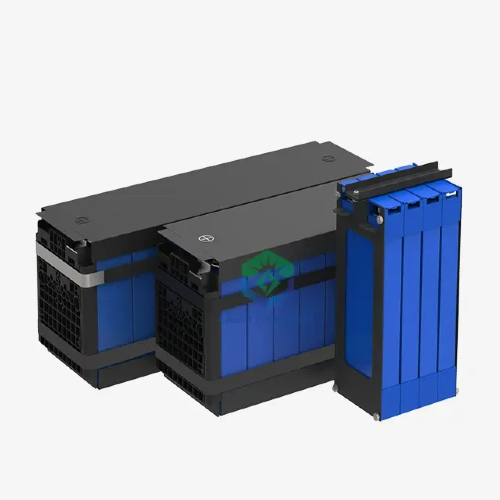
Lithium-ion covers several chemistries, and LiFePO4 is common in forklifts. Buyers choose it for fast charging, long cycle life, and low routine maintenance. A lithium pack includes a battery management system, so it monitors voltage, current, and temperature. It can also support opportunity charging during short breaks. This often removes the need for battery swap rooms and spare packs. Many fleets value steady power across the shift, since it reduces slow performance near discharge. For B2B buyers, the main tradeoff is higher upfront cost, plus stricter charger matching.
Table 1: Quick comparison of common forklift batteries
Battery type | Typical strengths | Typical limits | Best fit examples |
Flooded lead-acid | Lower upfront cost, mature recycling | Watering, long charge, cool-down | Single shift, budget fleets |
Lithium-ion (LiFePO4) | Fast charge, long life, no watering | Higher upfront cost | Multi-shift, high uptime |
Hydrogen fuel cell | Fast refuel, steady power | High infrastructure cost | Large sites, 24/7 hubs |

Hydrogen fuel cells (fleet-scale alternative)
Fuel cells are not classic batteries, yet buyers compare them for forklift power. They generate electricity from hydrogen, so refueling can be very fast. This supports high utilization fleets, especially when trucks run around the clock. They also keep power steady, which helps lift performance under heavy loads. The challenge is infrastructure and supply planning at the site. You need storage, fueling equipment, permits, and trained staff. If hydrogen supply is uncertain, uptime can suffer quickly. Many operations only consider fuel cells after they reach large fleet scale.
Less common or legacy chemistries (nickel-based options)
Some older equipment used nickel-based chemistries, including nickel-cadmium. They can tolerate deep discharge and harsh duty cycles in some settings. Yet they face stricter environmental controls and harder recycling logistics. They also cost more and have fewer suppliers than modern options. For new fleet projects, they rarely win the business case. If you inherit them, confirm service support and end-of-life plans early. Most buyers now focus on lead-acid, lithium, and fuel cells for practical sourcing.
Note: If a supplier cannot support service and recycling, the chemistry choice becomes risky.
Lead-acid vs. lithium forklift batteries: the comparisons that decide ROI
Service life and replacement cycles
Service life drives total cost more than many buyers expect. Lead-acid life depends on watering discipline, correct charging, and heat control. If teams skip watering or over-discharge often, life drops fast. Lithium packs often offer higher cycle life, especially for LiFePO4 designs. Many suppliers cite 3000+ cycles under defined conditions (needs verification). Lithium also tolerates partial charging better than lead-acid in daily use. For ROI planning, ask for warranty terms tied to years and cycles. Also include downtime cost when a pack fails during peak hours.
Charging speed, cooling time, and opportunity charging
Charging behavior changes how your operation runs every day. Lead-acid often needs a long full charge, then a cooling period before reuse. Many guides cite 8–12 hours charging plus 4–6 hours cooling (needs verification). Lithium usually supports faster charging, and it can accept short top-ups safely. This can reduce or remove battery swapping for multi-shift operations. Still, fast charging can raise peak demand on your electrical system. You may need scheduling or power upgrades to avoid breaker trips. Compare not just charge time, but also the workflow time you save.
Maintenance workload and hidden labor costs
Maintenance is a real cost, even when it is not on the invoice. Flooded lead-acid needs watering, cleaning, and terminal checks on schedule. It also needs safety equipment for acid handling and spill response. Many sites also dedicate staff time to swapping and moving heavy packs. Lithium removes watering and reduces swap handling in many layouts. Yet it still needs routine visual checks, clean terminals, and fault code review. In B2B procurement, labor savings can equal a large part of the ROI story. Make sure your model includes weekly labor hours and training time.
Efficiency, runtime, and productivity impact
Efficiency shapes both energy cost and productivity per shift. Lead-acid can lose more energy during charging and it often shows voltage sag late. That sag can reduce travel speed and lift response near the end. Lithium typically holds voltage steadier, so performance feels more consistent. Runtime depends on usable energy, duty cycle, and temperature. So compare real work profiles, not nameplate capacity alone. If you can, track travel hours and lift counts for a week. Then you can size the pack based on real demand, not assumptions.
Tip: Measure downtime per truck first, because it reveals the true cost driver.
How to choose forklift batteries for your operation (practical checklist)
Fit and compatibility: voltage, Ah, kWh, and compartment sizing
Start selection by confirming basic compatibility and safe fit. Match the truck voltage, connector style, and cable routing points. Then confirm battery compartment dimensions and allowed weight range. Weight affects stability and rated capacity, so it matters for safety. Compare energy using kWh, since it makes cross-voltage comparisons easier. Also ask for usable energy, not only nominal energy, because limits may reduce usable range. If you choose lithium, confirm the correct charger profile and communication needs. A mismatched charger can trigger faults and shorten life quickly.
Duty cycle and utilization level
Duty cycle is where chemistry choices separate fast. For one shift per day, lead-acid can work well when you have long off-time. For two shifts, downtime and swapping start to dominate the cost picture. Lithium often helps because it supports break-time charging and steady output. For 24/7 operations, fuel cells may also compete, but they require infrastructure. Use a simple utilization map for each truck group. List shift length, break windows, and peak load hours. Then you can match forklift batteries to the schedule, not just to a budget target.
Operating environment
Environment can make a strong battery look weak in the field. Cold storage reduces capacity and slows charging for most chemistries. Hot zones increase aging and can raise safety risk if ventilation is poor. Dust, humidity, and chemical vapors can corrode terminals over time. Some lithium packs include heaters or cold-start features (needs verification). Some lead-acid setups also add temperature controls and charging rules. For washdown zones, ask for enclosure protection and connector sealing. Also confirm vibration and shock testing for rough floors. A good battery choice must match the site, not an office spreadsheet.
Budget strategy: upfront cost vs total cost of ownership
A smart buyer treats price as one part of a larger cost system. Total cost includes labor, power losses, floor space, and downtime during swaps. It also includes replacement timing and disposal or recycling handling. Many fleets pay more upfront, then save money each month through higher uptime. To keep decisions clear, many teams use a short list of factors. They include shifts, labor capacity, site power limits, and safety compliance needs. When you compare options, write the assumptions next to each number. It prevents misunderstandings during approval reviews.
Quick checklist for B2B selection
● Define shifts, breaks, and uptime targets before you request quotes.
● Confirm battery weight limits and compartment dimensions on every truck model.
● Ask suppliers for warranty terms, service response, and spare parts availability.
● Model power demand if you plan fast charging at scale.
Table 2: Fast selection guide for forklift batteries
Operation factor | If this is true | Likely best fit | Main reason |
Shifts per day | 1 shift, long off time | Flooded lead-acid | Fits overnight charge |
Uptime pressure | Downtime is costly | Lithium-ion (LiFePO4) | Less downtime |
Cold storage | Below 0°C often | Lithium plus heater, or engineered lead-acid | Cold ready setup |
Site scale | Very large, 24/7 hub | Fuel cell or lithium | High utilization |
What changes when you switch forklift battery types
Charger strategy and power requirements
A chemistry change often forces changes in the charging system. Lead-acid chargers use staged profiles and may require equalization cycles. Lithium chargers use different control logic and tighter voltage management. If you introduce fast charging, peak demand can jump quickly. That can push you toward panel upgrades or smart charging schedules. Some sites stagger charging to avoid demand spikes and tariff penalties. Ask suppliers for charger efficiency and heat output, since both affect operating cost. Also confirm protection settings and breaker sizing plans. A good rollout treats charging as part of the energy system, not an accessory.
Battery handling and workflow design
Workflow changes can be as valuable as battery chemistry. Lead-acid fleets often rely on swap rooms, change carts, and lifting gear. Those systems take space, training, and traffic control around heavy loads. Lithium often supports “battery stays on the truck,” which removes swaps in many layouts. This can free space for storage or safer aisle flow. It also reduces manual handling risk and incident probability. If you keep swapping, confirm lift points, connector durability, and safe travel paths. For B2B buyers, process redesign often delivers quick wins after a battery upgrade.
Data and monitoring
Monitoring turns forklift batteries into managed assets, not mysteries. Lithium packs usually include BMS data such as state of charge and temperature. You can use it to spot abnormal behavior early and reduce surprise failures. Some sites integrate battery data into fleet dashboards through CAN or gateways. This helps maintenance plan service windows and parts ordering. Data also helps you compare truck groups and find heavy users. Ask what data fields you can access and how you export them. Also ask how alerts work and who receives them. Good data supports trust, because it makes performance measurable.
End-of-life and recycling planning
End-of-life planning reduces risk and protects budgets later. Lead-acid recycling is mature in many markets, so take-back channels are common. Lithium recycling is growing, yet it varies by region and partner quality. Ask suppliers for certified recycling partners and return packaging requirements. Also confirm how shipping works for damaged packs, since rules may differ. For B2B deals, define return terms in the contract. Include who pays freight and how warranty claims are verified. This reduces friction when a pack fails during a busy season. Clear end-of-life plans also support compliance and ESG reporting.
Tip: Put recycling terms and return steps inside the purchase agreement.
Forklift battery maintenance and safety essentials
Daily and weekly checks that prevent failures
Short checks prevent long downtime in busy warehouses. Start by inspecting connectors, cables, and terminals for heat marks. Look for loosened bolts, cracked insulation, or corrosion buildup. For flooded lead-acid, follow a watering schedule and keep battery tops dry. Clean surfaces reduce tracking currents and reduce corrosion risk. For lithium, inspect enclosure condition and review fault indicators on the display. Keep a simple log, because it helps spot patterns early. Photos can help compare changes over time. These routines also support warranty claims if a defect appears.
Charging-area safety
Charging areas need clear rules, training, and simple controls. Lead-acid charging can release gas, so ventilation and ignition control matter. Acid splash risk also requires PPE, eyewash access, and spill response kits. Keep floors clean and keep metal tools away from battery tops. Lithium charging focuses more on electrical safety and correct charger use. Protect cables from traffic and avoid makeshift wiring changes. Post clear signage for emergency steps and contact points. Train new staff before they handle charging tasks alone. Good safety habits reduce incidents and reduce insurance claims over time.
Temperature management
Temperature is a major driver of battery aging and performance drift. Heat speeds chemical reactions and can shorten life in any chemistry. Cold reduces power output and can limit charge acceptance. Avoid placing chargers near ovens, sunlit doors, or blocked ventilation paths. In cold zones, use preheat plans if your system supports them. Some lithium packs include heaters or low-temperature charging limits (needs verification). Track ambient temperature near chargers during summer peaks. If you see repeated hot cases, improve airflow and reduce charging rate. Temperature control is often cheaper than frequent battery replacements.
Common mistakes that shorten forklift batteries’ lifespan
Many failures come from repeatable mistakes, not bad luck. Deep discharge, wrong chargers, and missed checks can cut life sharply. Overwatering flooded lead-acid can also cause spills and corrosion problems. Ignoring loose terminals can create heat, arcing, and sudden shutdowns. Charging in blocked areas can trap heat and increase risk. Using damaged connectors can cause intermittent faults and wasted labor time. The best defense is a clear routine and a clear escalation path. Teach staff what to stop doing, not only what to do. If a pack swells, overheats, or smells unusual, isolate it and call service.
Table 3: Simple maintenance actions by battery type
Task | Flooded lead-acid | Lithium-ion (LiFePO4) |
Watering | Scheduled | Not needed |
Terminal cleaning | Weekly | Monthly |
Equalization charge | Often | Not used |
Visual damage checks | Daily | Daily |
Note: If a pack is hot or swollen, stop use and isolate it.
Conclusion
Forklifts primarily use flooded lead-acid, lithium-ion, or fuel cell power systems.The best forklift batteries match your shifts, chargers, and daily safety routines, so you can reduce downtime and control total cost.
Compare cycle life, charging speed, labor needs, and site conditions before you decide. SUZHOU FOBERRIA NEW ENERGY TECHNOLOGY CO,.LTD. offers LiFePO4 forklift batteries with fast charging, long cycle life, and smart BMS protection, plus flexible customization and responsive after-sales support.
FAQ
Q: What forklift batteries are most common today?
A: Forklift batteries are usually flooded lead-acid or lithium-ion, and some large fleets use fuel cells.
Q: How do I choose forklift batteries for my operation?
A: Choose forklift batteries by shift length, charging time, truck voltage, compartment size, and site temperature.
Q: Why do many fleets switch to lithium forklift batteries?
A: Lithium forklift batteries can charge faster, keep steady power, and reduce watering and swap labor.
Q: How much do forklift batteries cost?
A: Forklift batteries vary by chemistry and size, so compare total cost across energy use, labor, and replacements.
Q: What causes forklift batteries to fail early?
A: Forklift batteries fail early due to wrong chargers, deep discharge, loose terminals, heat, or skipped checks.