Fleet managers face a frustrating dilemma every day. Traditional lead-acid batteries provide a familiar, low-initial-cost standard. However, they create hidden operational bottlenecks. You constantly battle labor-intensive maintenance, severe turf damage, and inconsistent power delivery.
Commercial fleets now rapidly shift toward modern lithium technology. This represents more than a passing trend. It serves as a calculated operational pivot. The goal is to improve daily fleet uptime and optimize long-term financial returns.
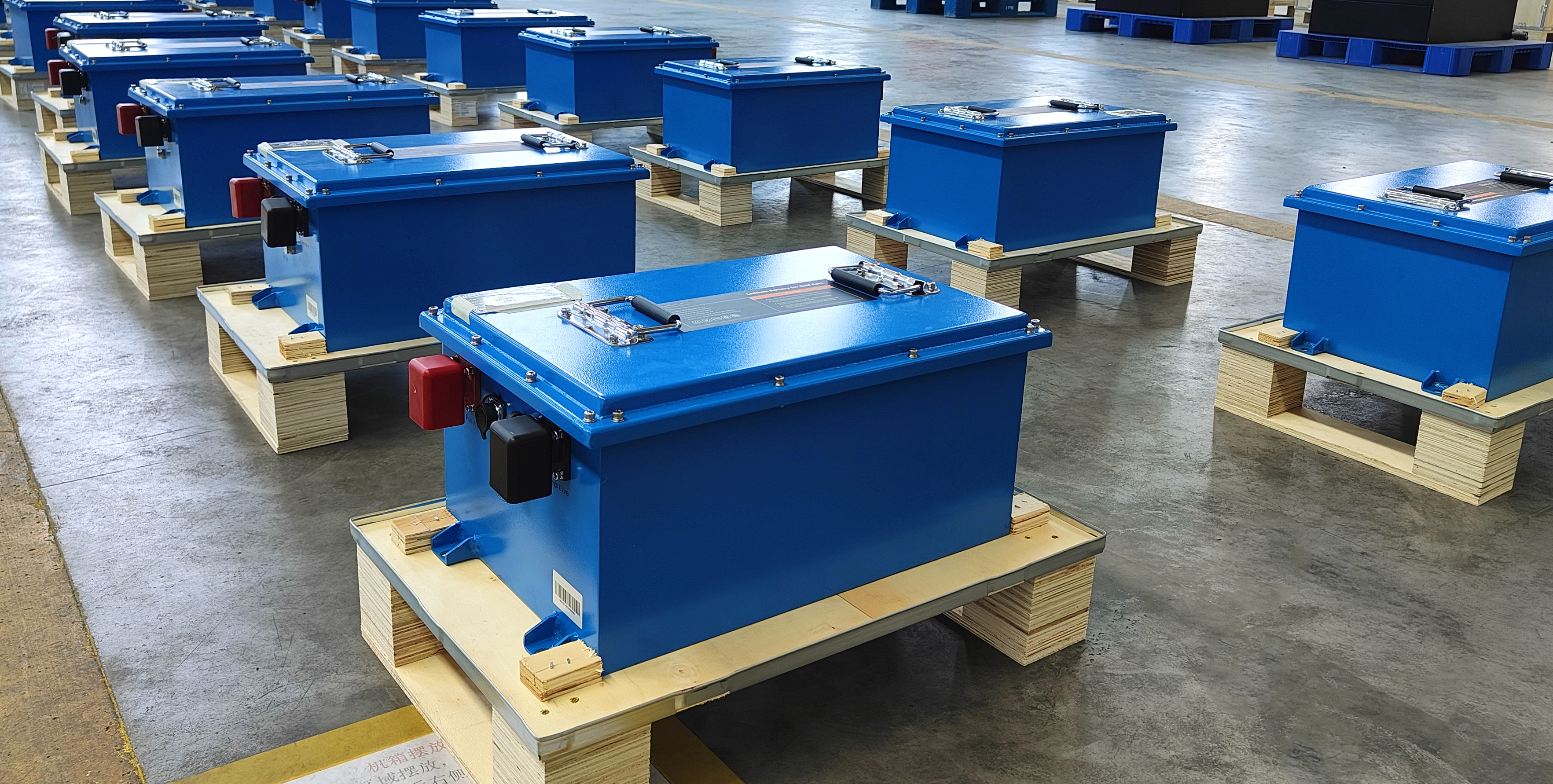
Upgrading to Lithium Golf Cart Batteries requires higher upfront capital. Yet, you quickly eliminate maintenance labor. Fleets gain drastically faster charging cycles. You also secure an exceptionally extended lifespan. These factors ultimately drive a stronger, verifiable return on investment for commercial operators.
Key Takeaways
Operational ROI: Lithium batteries eliminate daily watering and terminal cleaning, saving hundreds of labor hours annually across a fleet.
Extended Lifespan: A quality lithium setup delivers 3,000–5,000 charge cycles compared to the 500–1,000 cycles of standard lead-acid units.
Turf & Hardware Preservation: Reducing battery weight by up to 70% minimizes soil compaction, turf wear, and strain on cart drivetrains.
Smart Fleet Management: Integrated Battery Management Systems (BMS) provide real-time data, preventing the liability of stranded carts on the course.
The Hidden Costs of Traditional Fleet Power
Operating a fleet on legacy power sources drains resources quietly but consistently. Managers often underestimate the true financial burden of daily upkeep. Evaluating these hidden expenses reveals why an upgrade makes operational sense.
The Labor Drain
Lead-acid units demand constant attention. Your maintenance crew must top off cells using distilled water weekly. If they overfill the cells, acid boils over during the charge cycle. This acidic spill corrodes terminals, damages the cart frame, and stains the concrete floor. Workers then spend hours neutralizing these acid spills and scrubbing terminal corrosion. Across a fleet of 50 or 100 carts, these routine tasks consume hundreds of labor hours annually. You pay highly skilled staff to perform basic, repetitive upkeep instead of focusing on revenue-generating course improvements.
Performance Drop-Off (Voltage Sag)
Traditional batteries lose voltage steadily as they discharge. Industry experts refer to this as voltage sag. A fully charged 48-volt lead-acid pack might drop to 42 volts under heavy load by the afternoon. This voltage drop results in sluggish acceleration. Carts struggle to climb steep inclines later in the day. Users notice the poor performance. The cart feels entirely different on the 18th hole compared to the 1st hole. This inconsistent power delivery directly harms the premium experience guests expect.
The "Dead Cart" Liability
Nothing damages course reputation faster than a dead cart mid-round. Lead-acid batteries often suffer sudden cell failures. Poor charging habits also leave carts underpowered for a full 18 holes. When a cart dies on the fairway, the course suffers immediate consequences. Staff must deploy a tow vehicle. Play slows down for other golfers. You often have to refund the frustrated customer. These incidents create negative online reviews and result in direct revenue loss.
Common Mistake: Relying on visual dashboard meters for lead-acid carts. These meters read surface voltage, not actual capacity. They often trick staff into deploying a cart lacking enough juice for a full round.
Financial Lifecycle: Lithium vs. Lead-Acid
Switching power sources requires a fundamental shift in how you view fleet budgets. You must look past the initial price tag. True financial impact emerges when you evaluate the entire lifecycle of the equipment.
Capital Expenditure (CapEx) vs. Operating Expenditure (OpEx)
Lithium units carry a significantly higher initial purchase price. This capital expenditure (CapEx) often creates hesitation. However, you must frame this upfront cost against the immediate reduction in operating expenditure (OpEx). You instantly stop buying distilled water. You stop paying staff to clean terminals. You also avoid buying replacement cables ruined by acid corrosion. Over a few short years, the steep drop in OpEx completely offsets the initial CapEx shock.
Lifecycle Comparison
Battery longevity dictates your long-term replacement budget. Traditional power banks degrade relatively quickly, even under strict maintenance schedules.
Lead-Acid: Fleets typically replace these units every 3 to 5 years. Poor watering practices can shorten this lifespan to just 2 years.
Lithium: A quality modern setup typically lasts 8 to 10 years or more. In many commercial settings, the power bank outlasts the actual chassis of the cart itself.
Depth of Discharge (DoD) Economics
Depth of Discharge (DoD) measures how much capacity you use before recharging. This metric heavily influences battery economics. Lead-acid cells degrade rapidly if pushed past 50% DoD. If you drain them completely, internal plates suffer irreversible sulfation. In contrast, you can discharge lithium cells to 100% without damaging the internal chemistry. This means a 100Ah lithium bank provides nearly double the usable energy of a 100Ah lead-acid bank. You get more actual driving range from a seemingly smaller capacity rating.
Battery Comparison Chart
Feature
Lead-Acid Battery
Lithium Battery
Average Lifespan
3 - 5 Years
8 - 10+ Years
Charge Cycles
500 - 1,000
3,000 - 5,000
Maintenance Required
High (Watering, Cleaning)
Zero
Usable Capacity (DoD)
50%
100%
Weight (48V System)
~300+ lbs
~70 - 90 lbs
Performance Metrics That Impact Daily Operations
Financial metrics matter to ownership, but daily performance matters to the grounds crew and guests. Modern energy storage completely transforms how a vehicle handles and operates on the turf.
Faster Turnaround Times (Charging Efficiency)
Fleet utilization relies heavily on charging speed. A traditional power bank requires 8 to 10 hours to recharge fully. They also require a mandatory cooling period before use. Lithium units charge two to three times faster. Furthermore, you can utilize opportunity charging. Staff can plug a cart in for just 30 minutes during a lunch break or shift change. This quick boost does not damage the cells. Opportunity charging allows fleets to maximize cart utilization during peak hours, ensuring enough vehicles remain ready for afternoon tee times.
Weight Reduction & Turf Preservation
Weight directly impacts course conditions. A standard traditional bank weighs roughly 300 pounds or more. A lithium equivalent weighs only 70 to 90 pounds. Removing over 200 pounds from every vehicle yields massive benefits.
Turf Preservation: Lighter vehicles reduce soil compaction. They cause significantly less rutting on wet fairways. Groundskeepers spend less time repairing tire damage.
Hardware Longevity: Shedding weight reduces daily strain on cart tires, brake pads, and suspension components. You will replace these mechanical parts less frequently.
Energy Efficiency: Pushing a lighter vehicle requires less energy, extending the driving range per charge.
Consistent Power Delivery
As mentioned earlier, legacy units suffer from voltage sag. A modern Lithium Battery maintains a completely flat voltage curve. The voltage remains stable until the pack is nearly empty. A cart operating at 10% capacity performs exactly the same as a cart operating at 100%. Top speed remains identical. Hill-climbing torque remains robust. This consistency ensures a premium, uninterrupted experience for users throughout the entire day.
Smart Fleet Management & Safety Compliance (BMS)
Modern power systems act as smart devices rather than just dumb energy storage. They incorporate advanced electronics to protect the investment and streamline management.
The Role of the BMS (Battery Management System)
Every commercial lithium unit includes an internal Battery Management System. This critical software acts as the brain of the power bank. It actively protects the cells from dangerous scenarios. The BMS prevents overcharging by cutting off the incoming current when full. It prevents deep depletion by shutting down the cart before cells sustain damage. It also monitors internal temperatures, shutting down operations during extreme heat or freezing cold to preserve cell integrity.
Predictive Maintenance
Fleet managers no longer need to guess about vehicle readiness. Modern systems leverage Bluetooth connectivity and integrated telematics. Managers can open a dashboard on a smartphone or tablet to view the entire fleet. You can see the exact state of charge (SOC) for every cart instantly. You can review battery health, cycle counts, and error codes. This predictive maintenance approach eliminates guesswork. Staff know exactly which carts are ready for deployment and which need charging.
Safety & Compliance
Historical concerns about thermal runaway often cause hesitation. However, you must differentiate unstable consumer electronics chemistries from commercial-grade solutions. Modern commercial fleets utilize Lithium Iron Phosphate (LiFePO4) chemistry. LiFePO4 is exceptionally stable. It does not catch fire or explode even if punctured or crushed. Furthermore, reputable commercial units carry strict UL and UN38.3 certifications. These rigorous testing standards ensure complete safety for commercial storage and daily operation.
Best Practice: Always request documentation of UL certifications before purchasing a bulk fleet order. Uncertified, cheap imports pose unnecessary liability risks.
Implementation Realities: What to Know Before You Retrofit
Transitioning a fleet requires careful planning. You cannot simply drop new technology into an old cart and expect flawless execution. Understanding the retrofit realities ensures a smooth, cost-effective transition.
Charger Compatibility
You must upgrade to specific, compatible chargers. This is a non-negotiable reality of the retrofit process. Legacy chargers use a charging algorithm designed to slowly boil traditional cells. Modern units require a constant current/constant voltage (CC/CV) algorithm. Using legacy equipment will damage the internal BMS. In many cases, an old charger simply fails to charge the new pack fully. Always factor the cost of new chargers into your initial retrofit budget.
Weight Distribution Adjustments
Removing 200 pounds from the rear axle changes vehicle dynamics. This drastic weight reduction sometimes stiffens the cart's ride. The existing leaf springs were designed to carry a heavy load. Without that load, the suspension can feel bouncy on rough terrain. You may need to perform minor suspension adjustments. Removing a leaf from the rear spring pack often restores optimal ride comfort for your guests.
Electrical Controller Upgrades
Older fleets and heavily modified carts require electrical scrutiny. Upgraded power banks sustain a higher voltage output consistently. You must ensure the existing motor controller can handle this sustained power. Older stock controllers might overheat or trigger fault codes when subjected to higher sustained voltage. Consult your technical team to ensure your existing motor controllers align with the new output specifications.
The Pilot Approach
Avoid rushing into a full-fleet overhaul blindly. We strongly recommend transitioning a small test batch first. Select 5 to 10 carts for a pilot program. Monitor these retrofitted vehicles for 30 to 60 days. Evaluate the charging routines. Let the maintenance staff get comfortable handling the new equipment. Validate your operational savings and guest feedback. Once the pilot program proves successful, you can confidently execute a full-fleet retrofit.
Conclusion
Switching to modern energy storage is no longer just a luxury upgrade for elite courses. It represents a foundational shift in commercial fleet management. This pivot focuses directly on maximizing daily uptime and creating absolute cost predictability.
If your facility struggles with high maintenance labor, frequent equipment replacements, or mid-day cart swaps, the long-term financial return heavily favors modern solutions. The upfront investment pays continuous dividends through eliminated labor and reliable performance.
We encourage fleet managers to calculate their current annual labor costs spent on watering and cleaning. Compare those wasted hours against a zero-maintenance future. Contact a qualified commercial specialist today to request a custom retrofit quote or begin your initial pilot program.
FAQ
Q: Do I need to buy new chargers when switching to lithium golf cart batteries?
A: Yes. Lithium batteries require a completely different charging algorithm known as constant current/constant voltage. This specific algorithm safely and fully charges the cells while interacting properly with the internal BMS. Using an old charger can permanently damage the new equipment.
Q: Are lithium batteries safe for commercial storage facilities?
A: Modern commercial batteries use Lithium Iron Phosphate (LiFePO4) chemistry. This specific chemistry is highly thermally stable. It is not prone to thermal runaway like earlier lithium-ion variants found in consumer electronics. Always ensure your chosen products carry proper UL safety certifications.
Q: How do lithium batteries perform in cold weather storage?
A: Unlike lead-acid batteries, lithium does not freeze or crack when fully charged during winter storage. They handle cold storage exceptionally well. However, you should never charge them in sub-freezing temperatures unless the battery is equipped with a specific self-heating BMS feature.
Q: Will lighter batteries cause my golf carts to lose traction?
A: The 200-pound weight reduction does alter the cart's center of gravity. However, most commercial carts maintain excellent traction on standard turf. Facilities with extreme inclines or loose gravel may need to evaluate upgrading tire tread or performing minor rear suspension tuning.