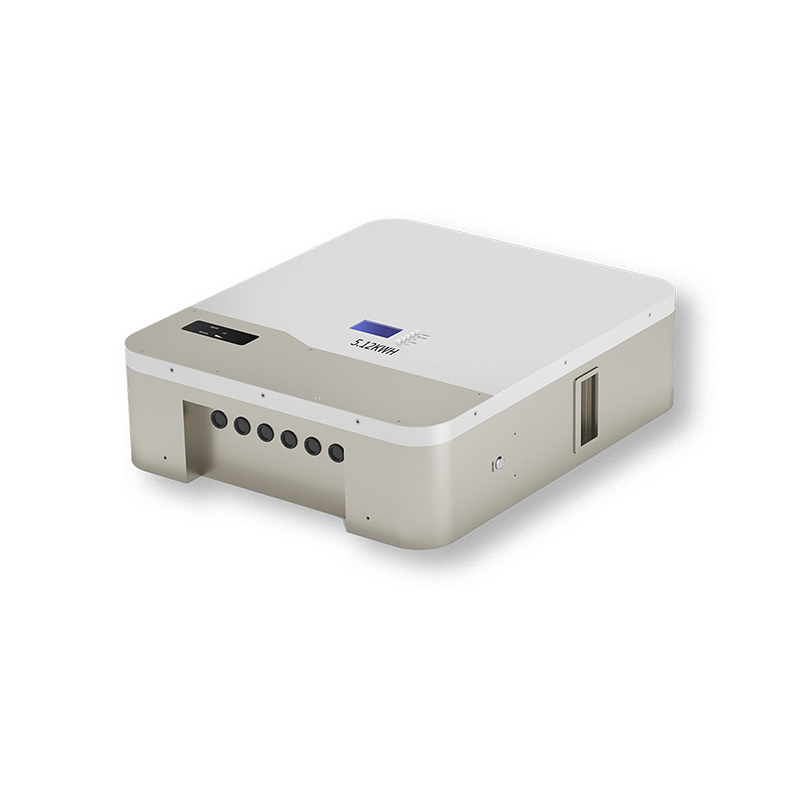
Many view energy storage as a simple chemical reaction inside a sealed box. Today, a lithium battery operates as a highly scalable, rechargeable energy system. It dictates your product design and influences operational safety. Choosing the wrong battery chemistry causes major integration problems down the line. You can face product failures, compliance bottlenecks, or catastrophic safety events. Failing to account for strict thermal management only multiplies these operational risks. We must demystify the internal mechanics of these power systems to build better products. This guide provides a clear framework to evaluate complex performance metrics. You will learn how to mitigate safety risks effectively across your supply chain. We will help you shortlist the right chemistry for specific enterprise or industrial applications. Whether you need a compact power source or a massive storage array, understanding these fundamentals remains crucial. You can then make confident, safe integration decisions.
Key Takeaways
"Lithium battery" is a blanket term; specific chemistries (like LFP or NMC) drastically alter performance, safety, and price profiles.
Evaluating a battery requires looking beyond capacity to cycle life, Depth of Discharge (DoD), and charge/discharge rates (C-rate) to calculate true ROI.
A robust Battery Management System (BMS) is non-negotiable for mitigating thermal runaway and ensuring regulatory compliance (e.g., UN 38.3).
End-of-life disposal and hazardous materials shipping regulations must be factored into the initial procurement strategy.
1. Core Mechanics: How a Lithium Battery Operates
The Baseline Concept
Every rechargeable cell relies on the continuous movement of ions. In a lithium system, lithium ions travel between two distinct electrodes. These are the anode and the cathode. During a discharge cycle, ions move from the anode across an electrolyte medium. They finally embed themselves into the cathode. This precise movement releases electrons to power your external device. When you charge the system, the charger forces this process into reverse. The ions travel back across the liquid or solid electrolyte to rest in the anode. This constant back-and-forth movement defines the fundamental cycle life of your energy storage unit.
Why Lithium?
Engineers consistently choose lithium over older chemical compositions for specific physical reasons. Lithium possesses a remarkably high electrochemical potential. It also features a very low atomic weight. We can contrast this against legacy alternatives like Lead-Acid or Nickel-Metal Hydride (NiMH). Older chemistries require massive physical volume to store moderate amounts of energy. Lithium offers a massive commercial advantage through high energy density. You get more power in a significantly smaller, lighter package. This weight reduction unlocks modern mobile applications, electric vehicles, and streamlined industrial equipment.
The Role of the BMS
You cannot operate these highly reactive cells without a central controller. We call this the Battery Management System (BMS). The BMS acts as the critical brain of your power array. It constantly monitors cell voltage, temperature, and current flow.
Cell Balancing: It ensures all internal cells charge and discharge at uniform rates.
Temperature Control: It throttles performance if the environment becomes too hot or too cold.
Overcharge Protection: It physically severs the connection if voltage spikes dangerously high.
Operating a pack without a highly tuned BMS guarantees early failure and invites severe safety hazards.
Lithium Iron Phosphate delivers an exceptionally stable thermal threshold. It offers a slightly lower energy density compared to other modern chemistries. However, it compensates with an incredibly long cycle life and superior safety. LFP cells resist degradation even under heavy daily use. We consider LFP the best choice for stationary energy storage and solar arrays. Applications prioritizing safety and longevity over raw weight reduction lean heavily on this chemistry. For example, when outfitting warehouse equipment, a specialized lithium battery almost always relies on LFP technology. We also see LFP dominate recreational transport. A modern lithium battery easily outlasts older lead-acid alternatives while remaining inherently safe.
Lithium Nickel Manganese Cobalt (NMC)
NMC chemistry blends nickel, manganese, and cobalt to achieve high specific energy. This combination aggressively optimizes the weight-to-power ratio. You gain maximum capacity within a highly restricted physical footprint. Electric vehicles (EVs) rely almost exclusively on NMC variants to achieve acceptable driving ranges. High-draw power tools also utilize NMC to deliver torque without excessive bulk. The trade-off involves slightly lower thermal stability and shorter overall lifespans compared to LFP.
Lithium Cobalt Oxide (LCO)
LCO provides extremely high energy density. It serves as the historic backbone for consumer electronics. Smartphones, laptops, and tablets use LCO to keep devices incredibly thin. Unfortunately, LCO suffers from a relatively short lifespan. It also possesses lower thermal stability than both LFP and NMC. You should strictly avoid LCO for large-scale industrial applications or high-heat environments.
Decision Matrix
Matching inherent chemical trade-offs to your specific product requires clear criteria. You must balance energy density, safety, and lifespan.
Chemistry
Energy Density
Thermal Stability
Typical Lifespan
Best Use Case
LFP (LiFePO4)
Moderate
Very High
3,000 - 5,000+ cycles
Industrial, Solar, Forklifts
NMC
High
Moderate
1,000 - 2,000 cycles
EVs, Power Tools
LCO
Very High
Low
500 - 1,000 cycles
Consumer Electronics
3. Evaluation Dimensions for Procurement
Cycle Life & Depth of Discharge (DoD)
You cannot evaluate lifespan using theoretical maximums. True lifespan heavily depends on your intended Depth of Discharge (DoD). DoD measures how much capacity you drain before recharging. Draining a pack completely to 0% creates massive cellular stress. Limiting your daily DoD to 80% can often double the usable life of the pack. You must calculate actual longevity based on your specific daily usage habits.
C-Rate (Charge/Discharge Multiplier)
C-Rate dictates how fast you can push energy in or pull energy out. A 1C rate means you fully discharge the capacity in one hour. Pushing a pack to a 3C or 5C rate generates intense internal heat. You must evaluate the system's ability to handle peak load spikes. Consistently operating above recommended C-rates accelerates cellular degradation. Ensure your selected chemistry matches the peak draw of your application.
Operating Environments & Thermal Constraints
Environmental temperatures drastically shift operational parameters. Performance drops off aggressively in sub-zero temperatures. Cold environments increase internal resistance, causing the BMS to restrict charge rates to prevent lithium plating. Conversely, high-heat industrial settings accelerate chemical aging. Prolonged exposure above 45°C permanently degrades capacity. You must assess your deployment environment early in the design phase.
4. Implementation Risks: Safety, Thermal Runaway, and Compliance
Understanding Thermal Runaway
Thermal runaway represents the worst-case scenario for any reactive chemistry. It occurs when a single cell enters an uncontrollable heating state. The failing cell generates enough heat to ignite its neighboring cells. This causes a rapid, cascading fire. Physical puncture, manufacturing defects, or extreme overcharging usually trigger this event. Once runaway begins, traditional fire suppression methods often fail to extinguish the chemical blaze.
Risk Mitigation Strategies
You must embed rigorous risk mitigation strategies into your product architecture. Mitigation occurs on several levels:
Active Cooling Systems: High-draw applications require liquid cooling plates or forced air to strip heat away from the core.
Rigid Casing Tolerances: Enclosures must prevent physical puncturing while allowing for slight cell expansion during charging.
BMS Fail-Safes: The software must feature redundant cutoff switches if primary sensors fail.
Ignoring these physical and digital fail-safes invites severe liability.
Regulatory & Shipping Constraints
You cannot transport these reactive materials globally without strict certifications. Organizations classify them as Class 9 hazardous materials. You must pass comprehensive testing certifications. UL 1642 governs the safety of the individual cells under stress. UN 38.3 testing remains legally required to transport packs via air, sea, or land. These tests simulate altitude changes, intense vibration, and thermal shock. Plan for lengthy certification timelines before launching your product.
5. Lifecycle Management: Disposal and Secondary Use
End-of-Life Realities
Packs eventually degrade past 80% of their original capacity. At this point, we consider them unsuitable for primary industrial use. However, you cannot simply throw them in a standard landfill. You must address the strict compliance burdens of handling Class 9 hazardous materials. Improper disposal violates federal environmental regulations and poses massive fire risks to waste facilities.
Recycling and Repurposing
You have two primary paths when capacity drops too low. The first is direct recycling. Facilities use hydrometallurgical or pyrometallurgical processes to strip out valuable metals like cobalt and nickel. Hydrometallurgical processes use liquid chemicals to recover materials with high purity. The second path is repurposing. A degraded lithium battery often finds a second life in utility-scale grid applications. A pack no longer suitable for a fast-moving vehicle still provides excellent stationary power for solar arrays.
Supply Chain Planning
You must map out end-of-life logistics before you deploy your first unit. Factoring reverse logistics into your initial business model prevents unexpected operational roadblocks. Establish partnerships with certified recycling centers early. Draft clear handling procedures for technicians removing degraded units. Proper supply chain planning neutralizes long-term environmental liabilities.
6. Shortlisting and Sourcing Strategies
Evaluating Manufacturers
The manufacturing landscape contains massive variations in quality. You must strictly audit supplier claims. Tier 1 manufacturers offer automated assembly lines, deep R&D budgets, and immense supply chain stability. Tier 2 and Tier 3 suppliers often compete on price but sacrifice quality control. Demand complete cell grading transparency. Ensure your supplier uses Grade A cells rather than repurposed Grade B rejects.
Prototyping Realities
Lab-tested specification sheets rarely match real-world physical integration. A datasheet might promise 3,000 cycles at a standard temperature. Your field environment will likely introduce vibration, heat, and variable loads. You must prioritize phased field testing. Build small prototype runs. Expose them to extreme operational environments. Monitor the BMS data logs to see how the cells actually perform under physical duress.
Next-Step Action
Move away from generic pricing inquiries. You must request a precise technical quote. Provide the manufacturer with strict volumetric constraints. Detail your exact peak load requirements and sustained draw expectations. Clearly state your target lifecycle and deployment environment. Providing precise engineering constraints forces suppliers to recommend viable chemistries rather than just their cheapest stock.
Conclusion
Procuring advanced energy storage involves far more than treating it as a commodity purchase. You are integrating highly reactive chemical systems governed by complex software algorithms. Always prioritize overall safety, regulatory compliance, and thermal stability over raw energy density when scoping new projects. Pushing for maximum capacity in a tiny footprint often introduces unacceptable risks. We strongly advise consulting with a dedicated engineering specialist. They can help you define the exact chemical makeup and BMS fail-safes required for your specific operational use case.
FAQ
Q: What is the difference between a lithium-ion and a lithium-polymer battery?
A: The main difference lies in the electrolyte and casing. Traditional lithium-ion cells use a liquid electrolyte encased in a rigid metal cylinder or rectangle. Lithium-polymer (LiPo) cells utilize a gel-like electrolyte. This gel allows manufacturers to package LiPo cells in flexible, foil-like pouches. LiPo provides adaptable shapes for thin devices but generally costs more to manufacture.
Q: How long does a commercial lithium battery actually last?
A: Commercial lifespans depend on calendar life and cycle life. Calendar life dictates that cells naturally degrade over 5 to 10 years regardless of use. Cycle life depends on usage habits. An LFP pack can easily exceed 4,000 cycles if kept cool and rarely discharged to zero. High heat and aggressive discharging drastically reduce this lifespan.
Q: Why are lithium batteries restricted on airplanes?
A: Regulatory bodies like the FAA and IATA strictly regulate them due to thermal runaway risks. If a cell malfunctions or short-circuits mid-flight, it can ignite a severe, self-sustaining chemical fire. Passenger aircraft lack the specialized cargo fire suppression needed to easily extinguish these specific blazes, leading to strict carry-on and cargo limits.
Q: Can you replace a lead-acid system directly with a lithium battery?
A: A direct "drop-in" replacement is rarely that simple. Lithium cells require distinct charging profiles. If you use a legacy lead-acid charger, you risk undercharging or triggering the BMS cutoff. In vehicles, the low internal resistance of lithium can pull too much current and quickly burn out standard alternators without a DC-DC converter.