Fleet managers constantly face mounting pressure to keep operational costs low. Maintaining peak performance across heavy-duty equipment requires incredibly reliable energy sources. However, replacing aging power units demands massive capital expenditure. Running degraded equipment poses severe risks, including sudden downtime and sluggish warehouse performance. This creates a challenging balancing act for warehouse operations daily. We explore the technical reality behind reviving aging power units. You will discover the exact differences between basic desulfation techniques and extensive cell reconditioning. We provide clear, actionable testing criteria to evaluate your current equipment accurately. You will learn exactly when rejuvenation makes financial sense and when you should secure new assets instead.
Key Takeaways
Feasibility: Rejuvenation is only viable for batteries suffering from reversible sulfation, not physical degradation or shorted cells.
Cost vs. Value: Successful desulfation can restore 70-80% of original capacity at a fraction of the cost of a new unit, but requires strict testing to guarantee ROI.
The TCO Tipping Point: If a battery is over 5 years old and requires multiple cell replacements, investing in a forklift replacement battery yields a better Total Cost of Ownership (TCO).
Safety & Compliance: DIY or unverified chemical additives pose severe safety risks (off-gassing, acid boils) and can void equipment warranties.
The Science of Rejuvenation: What Is Actually Possible?
Lead sulfate crystals naturally form on internal plates during standard discharging cycles. Normal charging phases usually convert these temporary crystals back into active material. Heavy use often disrupts this delicate chemical balance. Prolonged storage or frequent undercharging accelerates this crystallization process significantly. These lead sulfate crystals eventually harden into a dense barrier. This dense layer actively blocks electrical energy transfer. Overall capacity drops sharply as a direct result. The equipment becomes sluggish and requires constant recharging.
High-frequency electrical desulfation offers a proven, industry-standard solution. This specialized method uses carefully controlled electrical pulses. These specific frequencies target the hardened crystalline sulfate directly. The high-frequency waves break down the dense sulfate bonds safely. It restores the active material without melting or damaging internal plates. Technicians rely on this process for safe capacity restoration. It avoids the harsh physical stress of continuous overcharging.
Chemical additives frequently flood the market promising miraculous quick fixes. We remain highly skeptical of these unregulated chemical fluids. They sometimes manage to dissolve mild sulfates temporarily. However, they artificially alter the electrolyte specific gravity readings. This creates a false impression of a fully restored unit. Chemical treatments never repair underlying structural wear or grid corrosion. They simply mask deeper mechanical degradation.
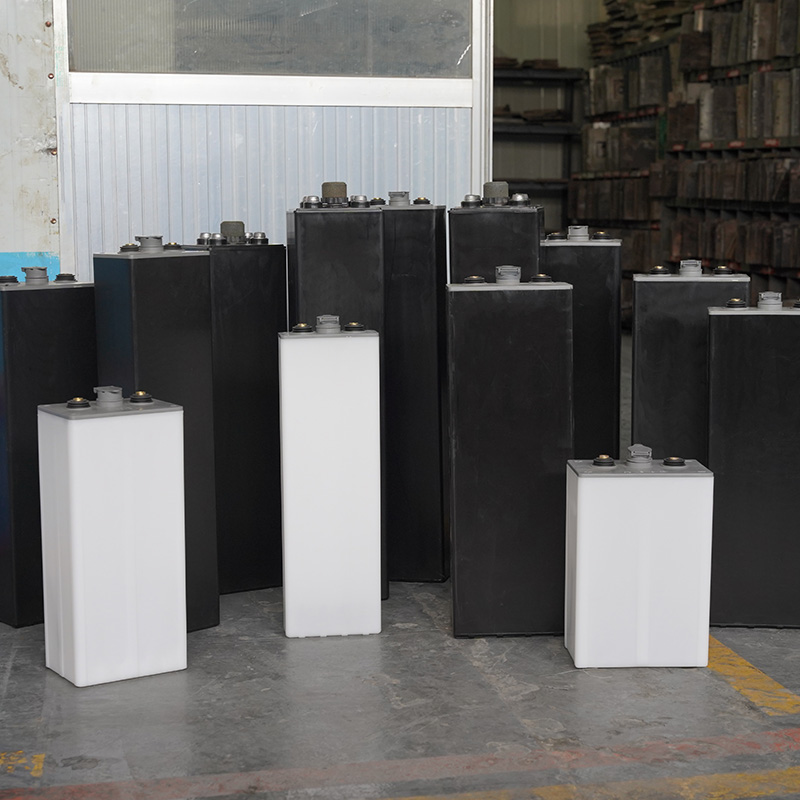
Internal geometry plays a massive role in recovery success rates. Robust tubular plate designs handle electrical desulfation exceptionally well. A standard PzS battery cell features incredibly strong internal geometry. Similarly, the PzB battery cell utilizes a highly durable tubular construction. Their robust structures make them excellent candidates for advanced recovery. They consistently outperform standard flat-plate designs during heavy desulfation procedures. This success assumes the internal active material remains firmly intact.
Diagnosing Your Traction Battery: Is It a Candidate for Recovery?
You must evaluate equipment strictly before spending money on recovery efforts. Baseline testing begins by checking the outward physical condition. Look closely for cracked outer cases or bulging plastic sides. Measure the resting voltage across the entire connected unit. A healthy resting voltage indicates potential for successful recovery. Physical damage automatically disqualifies the unit from basic desulfation.
Specific gravity testing reveals the true internal health of your equipment. Use a calibrated hydrometer to draw fluid from each cell. You can easily identify completely dead units this way. You can also spot uniformly sulfated units across the entire traction battery bank. Healthy specific gravity should hover around 1.280 after a full charge. Readings below 1.150 indicate severe, potentially irreversible internal sulfation.
Some conditions prevent any viable recovery attempts entirely. Watch out for these absolute mechanical limits during your diagnostic checks. Internal short circuits usually cause rapid boiling during standard charges. You will hear distinct bubbling sounds from the affected cells. Excessive active material pooling creates severe mudding below the internal plates. This mudding eventually bridges the gap between positive and negative plates. Severely corroded inter-cell connectors prevent safe and efficient electrical flow.
Always run strictly controlled discharge tests before starting any restoration. This protocol establishes the true baseline capacity of your equipment. Connect the unit to a calibrated load bank system. Discharge it at a steady rate over a six-hour period. You must know this exact baseline metric before attempting recovery. It proves whether the high-frequency treatments actually improved the capacity.
Rejuvenation vs. Reconditioning vs. Buying New
Decision-makers need clear financial comparisons to manage warehouse budgets effectively. Rejuvenation involves high-frequency electrical desulfation only. This specific approach suits units between two and four years old. It fixes moderate capacity drops caused by mild neglect or undercharging. You can generally expect one to two years of extended operational life. It costs significantly less than a full replacement.
Reconditioning requires physically replacing damaged internal components. You typically replace one or two distinctly failed cells. The remaining plates must stay structurally healthy for this to work. Technicians must drill out lead connectors and drop in replacement cells. Mixing old and new components creates distinct operational risks. Unmatched internal resistance often leads to severe charge imbalances. This can prematurely degrade the newly installed replacement cells.
Sometimes you absolutely must buy a completely new forklift replacement battery. This makes perfect sense for high-throughput, multi-shift warehouse operations. Units older than five years usually require immediate replacement. You should calculate the true return on investment carefully. Factor in the guaranteed daily cycle life and valid manufacturer warranties. Zero unplanned downtime provides massive, quantifiable financial value to busy fleets.
Equipment Recovery Comparison Matrix
Method
Best Candidate
Expected Extension
Primary Risk
Rejuvenation
2 to 4-year-old units
1 to 2 years
Hidden mechanical wear
Reconditioning
Units with 1-2 bad cells
1 to 3 years
Charge imbalance
New Purchase
High-throughput operations
5+ years
High upfront cost
Hidden Risks: Safety, Compliance, and Operational Downtime
Implementation realities demand careful risk mitigation from fleet managers. DIY fixes found on internet forums pose extreme workplace dangers. Many amateurs suggest continuous over-equalization or unregulated chemical dosing. These reckless practices invite severe safety hazards into your facility. Never treat industrial energy storage like a simple weekend project.
Consider these critical operational risks before attempting unverified repairs:
Excessive internal gassing leads directly to unexpected hydrogen explosions.
Unpredictable chemical reactions often cause dangerous workplace acid spills.
Using uncertified refurbished units violates strict OSHA workplace guidelines. Experimental chemical fixes create massive liability issues for your company. A warehouse fire involving uncertified equipment brings disastrous legal consequences. Insurance companies will investigate the exact origin of any industrial fire. Running unapproved or heavily modified energy storage voids insurance policies instantly. You lose all financial protection in the event of an accident.
You must calculate hidden downtime costs incredibly carefully. Attempting to recover a severely degraded unit carries massive financial risk. The salvaged unit might function briefly and fail completely two weeks later. This unexpected failure halts your warehouse operations entirely. You then face exorbitant emergency equipment rental fees. These rush fees quickly erase any savings gained from the initial repair.
Second-Life Applications: What If It Can't Be Rejuvenated?
You can still extract solid value from thoroughly failed units. The growing circular economy offers highly practical second-life applications. A unit might hold only half of its original rated capacity. This lower capacity makes it too weak for heavy warehouse lifting. Forklifts demand massive energy draws to lift heavy pallets vertically. However, it still contains substantial baseline energy storage potential.
Off-grid solar systems require steady, low-draw energy storage solutions. Degraded warehouse units serve perfectly in these alternative residential setups. They release energy slowly over a twenty-hour discharge cycle. This perfectly matches the gentle demands of off-grid solar inverters. They provide many years of reliable utility in these alternative applications. This pivot maximizes the residual value of your aging assets.
Completely dead units retain incredibly significant scrap market value. The internal lead grids hold high commodity pricing globally. Proper industrial recycling programs pay quite well for this heavy metal. You can leverage this scrap cash directly into your budget. It helps offset the massive capital expense of buying new equipment. Always use legally certified recycling centers for safe, compliant disposal.
Conclusion
Strict testing dictates your best recovery options moving forward. You must reject any physically damaged units immediately. Apply high-frequency electrical desulfation only to structurally sound equipment. Mission-critical warehouse fleets require incredibly reliable daily power. Prioritize guaranteed energy output over risky, unverified salvage attempts. Think of recovery techniques as periodic, strategic maintenance tools. They are never permanent resurrection methods for end-of-life equipment.
Schedule a professional fleet audit today to evaluate your current inventory. Let certified technicians measure the specific gravity and resting voltages accurately. You can also request quotes for completely certified replacement units. This proactive approach ensures your warehouse operations never miss a critical beat.
FAQ
Q: How much does it cost to rejuvenate a forklift battery?
A: Rejuvenation typically costs between 15% and 25% of a brand-new unit. Pricing varies based on the total voltage and capacity size. It remains highly cost-effective if the equipment qualifies structurally.
Q: How long does a rejuvenated forklift battery last?
A: A successfully desulfated unit generally provides one to three additional years of service. This lifespan heavily depends on your daily application. Proper charging habits and regular watering maintenance extend this timeframe significantly.
Q: Can you fix a forklift battery with dead cells?
A: You cannot fix completely dead cells through basic rejuvenation. Dead cells require physical extraction and replacement. Technicians call this intensive process reconditioning, rather than simple desulfation.
Q: Do battery desulfator chemicals actually work?
A: Chemical treatments can alter electrolyte density temporarily. However, they rarely provide long-term, reliable recovery. High-frequency electrical desulfation remains the proven industry standard for safely breaking down hardened sulfate crystals.