![48V LiFePO4 Vs. Lead-Acid Forklift Batteries 5-Year Cost Save]()
In the competitive landscape of forklift operations, choosing the right battery technology is crucial for maximizing efficiency and minimizing costs. This article delves into the differences between 48V LiFePO4 and lead-acid forklift batteries, focusing on their initial costs, lifespan, and long-term savings. While 48V LiFePO4 batteries come with a higher upfront price, their maintenance-free operation, faster charging capabilities, and significantly longer lifespan can lead to substantial cost savings over a five-year period. Join us as we explore the financial and operational benefits of transitioning to LiFePO4 technology for your forklift fleet.
Initial Cost Comparison
Price Range for 48V LiFePO4 Batteries
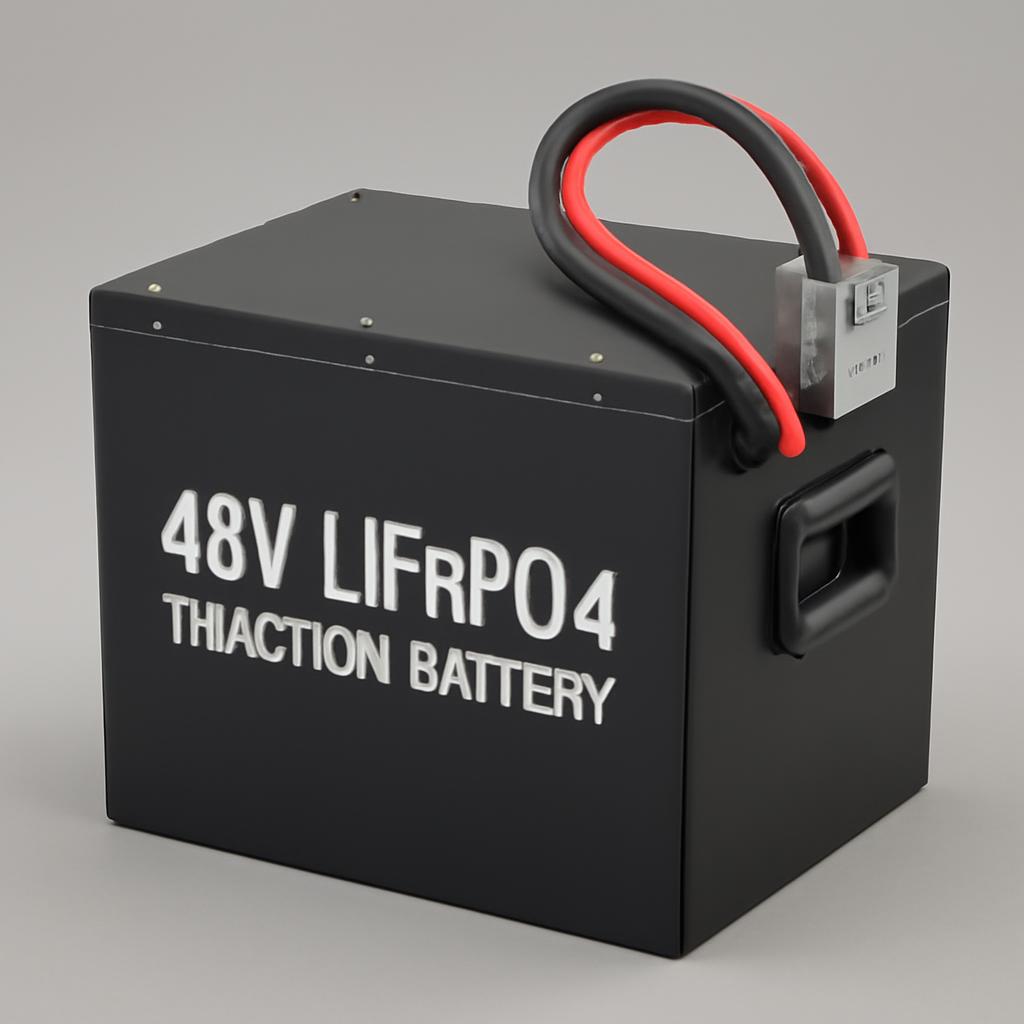
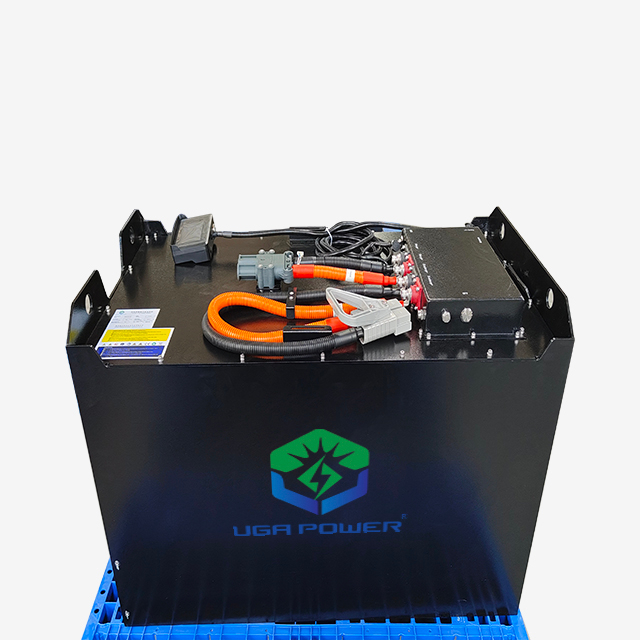
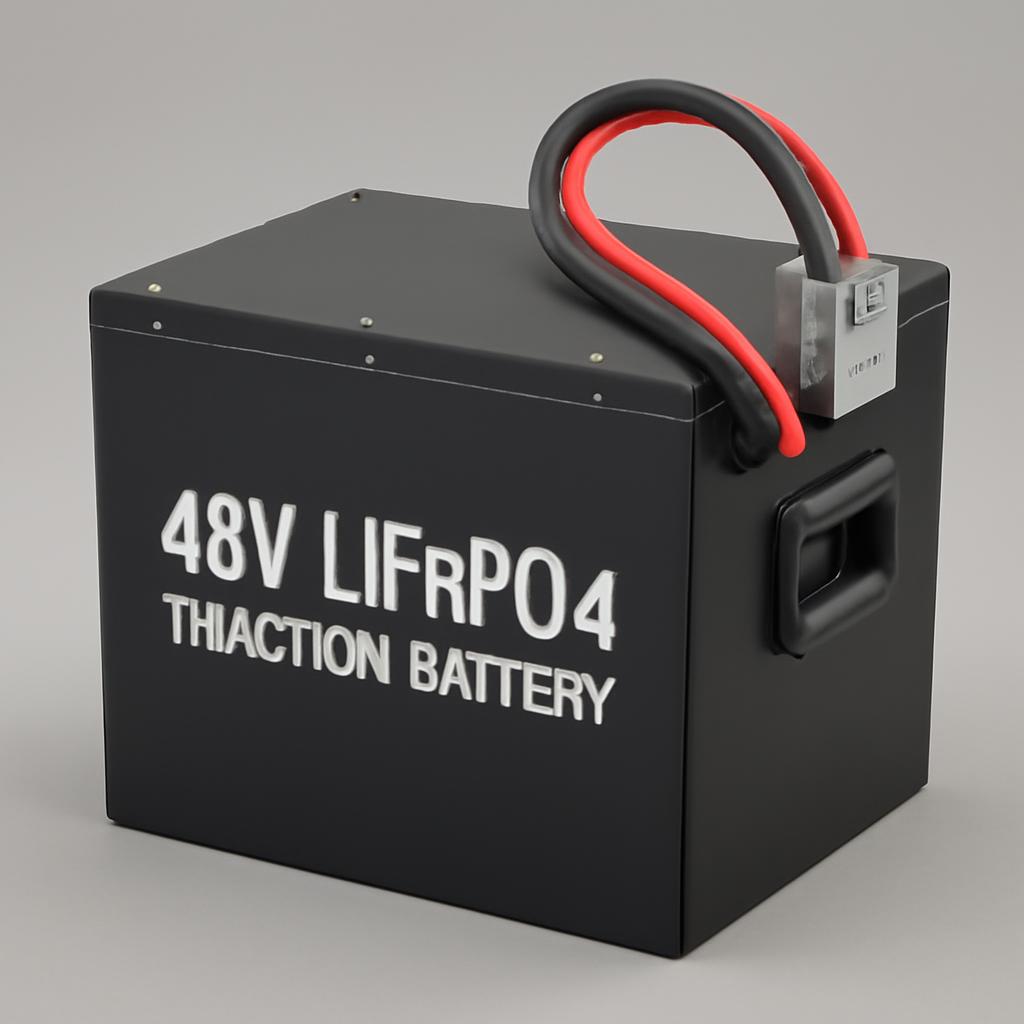
48V LiFePO4 batteries typically come with a higher upfront price tag. You can expect prices ranging from $17,000 to $25,000 for a quality 48V LiFePO4 forklift battery. This higher cost reflects the advanced lithium iron phosphate chemistry, integrated battery management systems, and superior materials used. The technology offers maintenance-free operation and faster charging capabilities, which justify the initial investment for many businesses.
Price Range for Lead-Acid Forklift Batteries
In contrast, lead-acid forklift batteries usually cost between $5,000 and $12,000 for a comparable 48V system. These batteries have been the industry standard for decades, and their production processes are well established, keeping prices relatively low. However, they require regular maintenance, including watering and equalization, and often need dedicated ventilation systems during charging, adding indirect costs.
Factors Influencing Initial Costs
Several factors affect the initial price of both battery types:
● Materials and Technology: LiFePO4 batteries use costly lithium and advanced electronics, while lead-acid batteries rely on cheaper lead plates and sulfuric acid.
● Battery Capacity and Brand: Higher capacity batteries and reputable brands command premium prices.
● Manufacturing Scale: Larger production volumes can reduce unit costs, especially for LiFePO4 as demand grows.
● Warranty and Support: Extended warranties and robust customer support can influence pricing.
● Customization: Tailored battery specifications may increase costs.
Though LiFePO4 batteries cost more initially, their longer lifespan and lower maintenance often lead to better long-term value. Lead-acid batteries might seem cheaper upfront but can incur higher operating expenses over time.
Battery Type | Typical Price Range | Notes |
Lead-Acid | $5,000 – $12,000 | Requires maintenance, ventilation |
48V LiFePO4 | $17,000 – $25,000 | Maintenance-free, fast charging |
Tip: When evaluating battery costs, factor in not only the purchase price but also maintenance, downtime, and replacement frequency to understand true long-term expenses.

Lifespan and Long-Term Cost Efficiency
Cycle Life of 48V LiFePO4 vs. Lead-Acid Batteries
One of the biggest differences between 48V LiFePO4 and lead-acid forklift batteries lies in their cycle life. LiFePO4 batteries typically deliver between 3,000 to 5,000 charge cycles at 80% depth of discharge (DOD). In contrast, lead-acid batteries usually provide only 500 to 1,000 cycles at 50% DOD before their capacity drops significantly. This means LiFePO4 batteries can last 3 to 5 times longer under similar usage conditions.
Moreover, LiFePO4 batteries allow deeper discharges without damage, often up to 90-100% DOD, whereas lead-acid batteries should not be discharged beyond 50% to avoid shortening their lifespan. This results in more usable energy per cycle for LiFePO4, reducing the number of batteries needed over time.
Impact of Lifespan on Total Cost of Ownership
The longer lifespan of LiFePO4 batteries greatly reduces replacement frequency, which is a major factor in total cost of ownership (TCO). Although LiFePO4 batteries have a higher upfront cost, their extended cycle life and deeper discharge capability mean fewer replacements and less downtime.
For example, if a lead-acid battery needs replacement every 2-3 years, a LiFePO4 battery can last up to 10 years or more. This reduces costs related to purchasing new batteries, labor for installation, and operational disruptions caused by downtime.
Additionally, LiFePO4 batteries maintain higher capacity over time, ensuring consistent performance and reducing the risk of unexpected battery failure. This reliability translates into smoother forklift operations and fewer interruptions.
Real-World Examples of Long-Term Savings
Many companies report significant savings switching to LiFePO4 forklift batteries. For instance, a warehouse replacing lead-acid batteries every 3 years with LiFePO4 batteries lasting 10 years can save up to 50% on total battery costs over a decade.
In another case, a logistics company reduced forklift downtime by 30% due to fewer battery changes and faster charging times. This increased productivity and lowered labor costs for battery maintenance.
Furthermore, the ability to discharge LiFePO4 batteries deeper means fewer batteries are required to meet energy needs, reducing capital expenses and storage space.
Battery Type | Cycle Life (Cycles) | Depth of Discharge (DOD) | Estimated Lifespan |
Lead-Acid | 500 – 1,000 | ~50% | 2 – 3 years |
48V LiFePO4 | 3,000 – 5,000 | 90 – 100% | 8 – 10+ years |
When calculating forklift battery costs, always include replacement frequency and downtime expenses to get a true picture of long-term savings.
Performance and Reliability
Energy Density and Usable Capacity
48V LiFePO4 batteries pack much more energy into the same space compared to lead-acid batteries. They typically offer 2 to 3 times higher energy density. This means a LiFePO4 battery can store more power while being smaller and lighter. For forklifts, this translates into longer run times and less battery weight to carry, improving efficiency and maneuverability.
Usable capacity is another important factor. LiFePO4 batteries can safely discharge up to 90-100% of their capacity without damage. Lead-acid batteries, however, should only be discharged to about 50% to maintain lifespan. This means a 100Ah LiFePO4 battery delivers almost twice the usable energy of a lead-acid battery rated at the same capacity. The higher usable capacity reduces the number of batteries needed and lowers overall costs.
Temperature Performance and Durability
LiFePO4 batteries perform well across a broad temperature range. They maintain about 80% capacity even at -20°C, making them reliable in cold environments. Lead-acid batteries lose significant capacity at low temperatures and risk freezing if exposed to extreme cold. High temperatures also affect lead-acid batteries negatively, cutting their lifespan drastically. LiFePO4 batteries tolerate heat better, with minimal degradation up to 60°C.
Durability is another strength of LiFePO4 technology. These batteries resist corrosion and sulfation, common issues in lead-acid types. They also handle vibrations and shocks better, important for industrial forklift use. The integrated battery management system (BMS) in LiFePO4 batteries protects against overcharge, over-discharge, and short circuits, enhancing safety and extending life.
Charging Efficiency and Downtime Reduction
LiFePO4 batteries charge much faster than lead-acid ones. While lead-acid batteries often need 8-12 hours for a full charge, LiFePO4 batteries can recharge fully in 1-2 hours or less if the charger supports higher rates. They also support opportunity charging — topping off during breaks without damaging the battery.
The higher charging efficiency (around 95-98%) means less energy is wasted as heat. Lead-acid batteries typically have efficiency between 70-85%, losing more energy during charge and discharge cycles. Faster charging and higher efficiency reduce forklift downtime, allowing for more continuous operation and higher productivity.
Feature | Lead-Acid Battery | 48V LiFePO4 Battery |
Energy Density | Low | 2-3x Higher |
Usable Capacity | ~50% | 90-100% |
Operating Temperature Range | -20°C to 50°C | -20°C to 60°C |
Charging Time | 8-12 hours | 1-2 hours |
Charging Efficiency | 70-85% | 95-98% |
Maintenance | Required (watering, etc.) | Maintenance-free |
Prioritize batteries with higher usable capacity and fast charging to maximize forklift uptime and reduce operational interruptions.
Maintenance and Operational Costs
Maintenance Requirements for Lead-Acid Batteries
Lead-acid forklift batteries demand regular upkeep to stay functional and safe. Operators must frequently check and refill water levels to prevent plates from exposure and damage. Equalization charges are necessary to balance cell voltages and reduce sulfation, a common issue that reduces battery capacity over time. Besides, terminals require cleaning to avoid corrosion, which can impair electrical connections. Charging lead-acid batteries also needs special ventilation to disperse hydrogen gas safely, adding to operational complexity. These maintenance tasks require labor hours and materials, increasing the total operating cost. Additionally, downtime during maintenance reduces forklift availability, impacting productivity.
Advantages of Maintenance-Free LiFePO4 Batteries
LiFePO4 batteries stand out by eliminating most maintenance needs. Their sealed design prevents electrolyte loss, removing the need for watering or equalization. The integrated battery management system (BMS) automatically monitors and balances cells, protecting against overcharge, over-discharge, and temperature extremes. This system ensures optimal battery health without manual intervention. Because LiFePO4 batteries don’t emit gases during charging, they require no special ventilation, simplifying installation and reducing facility costs. The maintenance-free nature also means less labor and fewer materials spent on upkeep, translating to lower operational expenses and less forklift downtime.
Impact on Operational Efficiency and Costs
Maintenance demands on lead-acid batteries increase labor costs and reduce forklift availability. Frequent watering, equalization, and cleaning interrupt workflows and require trained personnel. The need for dedicated charging areas with ventilation limits flexibility in facility layout. In contrast, LiFePO4 batteries support fast charging and opportunity charging during breaks without harming battery life. This flexibility allows forklifts to stay in operation longer, boosting productivity. Reduced maintenance also means fewer unexpected failures, lowering repair costs and downtime. Over time, these factors significantly reduce the total cost of ownership and improve operational efficiency.
Aspect | Lead-Acid Batteries | 48V LiFePO4 Batteries |
Maintenance Needs | Frequent watering, cleaning, equalization | Virtually maintenance-free |
Ventilation Requirement | Required during charging | Not required |
Labor and Material Costs | Higher due to regular upkeep | Lower due to minimal maintenance |
Downtime Impact | Higher due to maintenance and charging breaks | Lower due to fast charging and no maintenance |
Charging Flexibility | Limited, long charging times | Supports fast and opportunity charging |
Choosing maintenance-free LiFePO4 batteries can drastically reduce labor hours and forklift downtime, enhancing overall operational efficiency and cutting long-term costs.
Environmental Impact and Sustainability
Recycling and Disposal Considerations
LiFePO4 batteries stand out as a more eco-friendly option compared to lead-acid batteries. They contain no toxic heavy metals like lead or corrosive sulfuric acid, which are harmful to the environment and human health if mishandled. This makes disposal safer and less regulated. Both battery types are recyclable, but LiFePO4 recycling processes tend to be cleaner and more energy-efficient. The materials used in LiFePO4—iron, phosphate, and lithium—are more abundant and less hazardous than lead. Moreover, LiFePO4 batteries have a longer lifespan, meaning fewer batteries are discarded over time, reducing waste volume significantly. Lead-acid batteries, despite established recycling programs, pose risks of lead contamination and acid spills during recycling or disposal.
Energy Efficiency and Carbon Footprint
LiFePO4 batteries boast higher energy efficiency, typically around 95-98%, compared to lead-acid batteries, which operate at about 70-85%. This means LiFePO4 batteries waste less energy during charging and discharging cycles. For businesses running forklifts, this translates into lower electricity consumption and reduced carbon emissions. In facilities with multiple forklifts, the cumulative energy savings can be substantial. Additionally, LiFePO4 batteries charge faster, further minimizing energy losses. While the initial manufacturing of LiFePO4 batteries requires more energy, this is offset over time due to their longer service life and superior efficiency. Lead-acid batteries, with shorter lifespans and lower efficiency, contribute to higher overall carbon footprints when considering the full battery lifecycle.
LiFePO4 as a Sustainable Battery Solution
Choosing LiFePO4 batteries supports corporate sustainability goals. Their long lifespan reduces the frequency of replacements, cutting down on raw material extraction and manufacturing emissions. The sealed, maintenance-free design eliminates the need for hazardous acid handling, improving workplace safety and environmental compliance. LiFePO4 batteries’ resilience to temperature extremes reduces risks of premature failure and environmental contamination through leaks or spills. As recycling technologies advance, LiFePO4 batteries are expected to achieve near-closed-loop recycling, further minimizing environmental impact. For companies aiming to reduce their ecological footprint, investing in LiFePO4 forklift batteries offers a clear path toward greener operations without sacrificing performance or cost efficiency.
Prioritize forklift batteries with longer lifespans and higher energy efficiency to reduce environmental impact and support your company’s sustainability initiatives.

Real-World Applications and Case Studies
Forklift Industry Adoption of LiFePO4
The forklift industry is rapidly shifting towards 48V LiFePO4 batteries. Many companies recognize the clear benefits: longer battery life, faster charging, and lower maintenance. These features help reduce downtime and operating costs. For example, warehouses and distribution centers that switch to LiFePO4 batteries often see improved productivity and less need for battery swaps during shifts. This adoption trend is supported by market data showing increased sales of LiFePO4 forklift batteries worldwide, driven by demand for efficiency and sustainability.
Comparative Case Studies in Cost and Performance
Several case studies highlight the financial and operational gains from switching to LiFePO4 batteries:
● Warehouse A replaced lead-acid batteries with LiFePO4 units across its forklift fleet. Over five years, they saved nearly 40% on total battery expenses due to fewer replacements and maintenance savings. Faster charging also allowed longer forklift run times, boosting throughput.
● Logistics Company B reported a 25% reduction in downtime after adopting LiFePO4 batteries. The batteries’ ability to handle opportunity charging during breaks minimized idle time. Maintenance costs dropped by 70%, as no watering or equalization was needed.
● Manufacturing Plant C compared energy usage and found LiFePO4 batteries consumed 15% less electricity than lead-acid counterparts, thanks to higher charging efficiency. This lowered energy bills and contributed to the plant’s sustainability goals.
These examples demonstrate how LiFePO4 technology can transform forklift operations by cutting costs and improving reliability.
Expert Opinions and Market Trends
Industry experts widely agree that LiFePO4 batteries are the future of forklift power. According to Redway Battery specialists, the technology offers the best return on investment over five years despite higher upfront costs. Analysts predict the forklift LiFePO4 battery market will grow steadily, driven by stricter environmental regulations and companies’ desire to reduce total cost of ownership.
Furthermore, manufacturers are investing heavily in LiFePO4 battery R&D to enhance safety, energy density, and charging speeds. This innovation will likely lower prices and improve performance, making LiFePO4 even more attractive.
Market trends also show growing interest in integrating smart battery management systems. These systems optimize charging and usage patterns, extending battery life and further reducing costs. As more businesses adopt these technologies, LiFePO4 batteries will become the new standard in forklift power solutions.
When evaluating forklift batteries, consider real-world case studies and expert insights to understand how LiFePO4 technology can improve efficiency and reduce costs over time.
Conclusion
48V LiFePO4 batteries offer longer lifespan, faster charging, and lower maintenance compared to lead-acid. These benefits reduce downtime and operational costs, making them a smart choice for forklifts. With advancements in LiFePO4 technology, their efficiency and cost-effectiveness will continue to improve. SUZHOU FOBERRIA NEW ENERGY TECHNOLOGY CO,.LTD provides high-quality LiFePO4 batteries, offering businesses a reliable and sustainable power solution for their forklift operations. Their products ensure enhanced performance and value over time.
FAQ
Q: What is a 48V LiFePO4 Traction Battery?
A: A 48V LiFePO4 Traction Battery is a type of lithium iron phosphate battery used in forklifts, offering longer lifespan and maintenance-free operation compared to lead-acid batteries.
Q: How does a 48V LiFePO4 Traction Battery reduce costs?
A: It reduces costs through longer lifespan, fewer replacements, and lower maintenance, despite higher initial costs compared to lead-acid batteries.
Q: Why choose a 48V LiFePO4 Traction Battery over lead-acid?
A: Choose it for its superior energy efficiency, faster charging, and lower environmental impact, leading to better long-term value.
Q: What are the initial costs for a 48V LiFePO4 Traction Battery?
A: Initial costs range from $17,000 to $25,000, reflecting advanced technology and materials that offer long-term savings.