A trolling motor battery has a quiet job, but boaters notice it quickly when it is wrong. The motor loses thrust, the day ends early, or the battery becomes too heavy to carry comfortably. For fishing boats, small leisure craft, kayaks with electric assist, and light-duty marine systems, the battery decision affects runtime, handling and confidence on the water.
This article explains how buyers should think about voltage, capacity, discharge load, weight, maintenance and marine use. It also explains where a compact 12.8V LiFePO4 battery can fit, and where a larger pack may be required.
FOBERRIA is the battery brand of SUZHOU FOBERRIA NEW ENERGY TECHNOLOGY CO.,LTD, a China-based lead-acid and lithium battery solution provider established in 2009. The company describes its product range as AGM, GEL, Deep Cycle, OPzV, OPzS, PZS, PZB, lithium battery and related industrial power solutions. For buyers, that mix matters. It means the supplier is not limited to one chemistry or one small battery niche. It can talk about lead-acid replacement, lithium conversion, industrial storage, golf cart power and motive vehicle use from the same battery background.
What a Trolling Motor Battery Has to Do
A trolling motor does not behave like a flashlight or a short-use tool. It may draw current for a long period, especially when holding position in wind, moving against current or steering a loaded small boat. That is why buyers usually look for deep-cycle behavior, stable voltage and predictable capacity.
Starting batteries are designed to deliver a short burst of high current. Deep-cycle batteries are designed to discharge more steadily over time. Many marine buyers learn this difference the hard way. A battery that starts an engine may not be the right choice for an electric trolling motor that runs for hours.
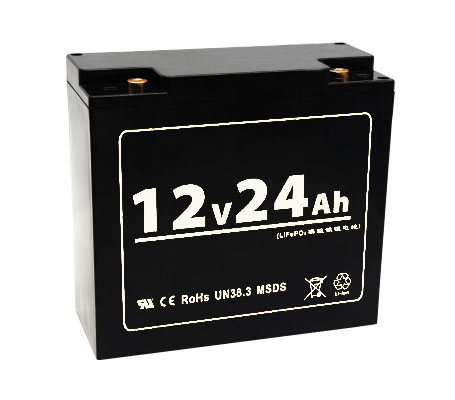
The FOBERRIA 12V LiFePO4 battery for marine and boats is listed as a 12.8V 24Ah lithium lead-acid replacement. The product page states that it is used in caravan and camping, backup power, electric vehicles and golf carts, floor machines, marine and boats, recreational vehicles and solar energy. That makes it a relevant compact option for light-duty marine electrical use, although buyers still need to check motor current and desired runtime.
Why LiFePO4 Chemistry Attracts Marine Buyers
Marine users care about weight more than many land-based users. Every kilogram matters in a small boat. Lead-acid batteries can be rugged and affordable, but they are heavy. LiFePO4 batteries usually provide a lighter alternative, and FOBERRIA lists its 12.8V 24Ah model as only 30% of lead-acid battery weight in its feature description.
Another attraction is maintenance. Flooded lead-acid batteries may need more attention. Lithium iron phosphate batteries remove watering work and avoid acid spill concerns. For a small boat owner who stores gear between trips, that difference matters.
That said, marine use is demanding. Water, vibration, temperature swings and storage habits all affect battery life. A lithium pack should be mounted securely, protected from physical damage, and charged with a compatible charger.
Note: A compact 24Ah battery may be suitable for light loads or short trips. For higher-thrust trolling motors or long fishing days, calculate current draw before choosing capacity.
FOBERRIA 12.8V 24Ah Battery: Product Details for Buyers
The 12.8V 24Ah LiFePO4 product is best understood as a compact lithium lead-acid replacement. It is not a universal answer for every trolling motor. Instead, it gives buyers a 12V-class battery option that may suit lighter marine and boat uses when the electrical load is properly matched.
Product item
Listed value or note
Model
12.8-24
Voltage
12.8V
Capacity
24Ah
Dimension
181×77×168 mm
Brand
UGA POWER
Chemistry
Lithium iron phosphate
Cycle life
2000 times listed on product feature
Weight note
Only 30% of lead-acid battery weight, as listed
Applications listed
Caravan, backup power, electric vehicles, golf cart, floor machines, marine and boats, RVs, solar energy
These details make the product easier to discuss with a supplier. If a buyer needs a battery for a small trolling motor, the next question is runtime. A 24Ah pack can deliver only so much energy. At low motor draw, it may support useful operation. At higher draw, runtime drops quickly. This is not a product weakness; it is how batteries work.
How to Estimate Runtime Without Guesswork
Runtime depends on current draw. If a motor draws 10 amps, a 24Ah battery may theoretically supply about 2.4 hours before losses and cut-off limits. In real use, wind, current, propeller load, speed setting, temperature and battery protection behavior reduce that simple number. A buyer should treat calculations as planning tools, not guarantees.
For many boats, the highest speed setting uses much more current than mid-range use. That is why two users with the same battery can report very different runtimes. One uses slow positioning in calm water. Another pushes against wind for long periods. The battery sees two different jobs.
Use pattern
Battery demand
Buyer note
Light positioning
Lower current draw
Small 12V LiFePO4 pack may be enough
Windy fishing conditions
Medium to high current draw
Higher capacity may be needed
Long all-day fishing
Extended use
Plan larger Ah or multiple packs
Kayak or small craft
Weight-sensitive
Compact lithium battery can be useful
Backup marine loads
Intermittent use
Check device power draw first
Charging and Storage Rules for Marine Lithium Batteries
Charging needs discipline. Use a charger that matches LiFePO4 voltage and current limits. Do not assume an old lead-acid charger is acceptable. Some chargers may have lithium mode, but that still needs confirmation. A mismatched charger can shorten life or cause protection cut-off.
Storage also matters. Do not store the battery fully depleted after a trip. Keep it dry. Avoid leaving it in extreme heat for long periods. If the boat is seasonal, store the battery at a suitable charge level and check it occasionally. These habits are simple, but they often decide whether a battery feels reliable after months of rest.
Mounting and Safety in Small Boats
A small battery still needs a serious mount. Secure it so it cannot slide, tip or hit hard objects. Keep terminals covered. Route cables away from sharp edges and moving gear. Use the right fuse or breaker for the circuit. If the installation runs near water, choose connectors and cable protection suited for the environment.
Marine users sometimes focus only on battery chemistry and forget wiring. That is risky. Undersized wire wastes energy and can heat under load. Loose terminals create voltage drop. Corrosion makes troubleshooting harder. A good battery deserves a tidy installation.
LiFePO4 vs AGM for Trolling Motor Use
AGM batteries remain popular because they are sealed, familiar and generally cheaper at purchase. LiFePO4 batteries appeal to buyers who want lower weight, longer cycle life and less routine care. The better choice depends on trip length, carrying limits, charging access and budget.
Factor
AGM battery
LiFePO4 battery
Weight
Heavier
Lighter
Maintenance
Low
Very low
Usable energy feel
Voltage drops more noticeably
Flatter voltage curve
Upfront price
Usually lower
Usually higher
Charger needs
AGM charger profile
LiFePO4 charger profile
Best fit
Budget-sensitive users
Weight-sensitive and frequent users
In practice, buyers often choose lithium when carrying weight and repeated use matter. They may choose AGM when price matters more and the battery is not moved often.
Questions to Ask Before Buying
How many amps does the trolling motor draw at normal use?
How many hours of runtime do I need before charging?
Will the battery fit the boat, battery box or kayak compartment?
Is the charger compatible with LiFePO4 chemistry?
Do I need one compact battery or a larger pack?
Will the battery be exposed to water, heat or strong vibration?
Those questions sound basic, but they prevent most wrong purchases. A product page can give voltage and capacity. Only the user can provide trip style, load and route conditions.
Capacity Planning for Real Fishing and Boating Conditions
Runtime estimates often look neat on paper and messy on water. A motor that draws lightly in calm conditions can draw much more when fighting wind, weeds or current. Boat weight matters too. A solo kayak, a small aluminum boat and a loaded fishing boat do not ask the battery to do the same job.
For this reason, buyers should list the motor’s maximum current and normal operating current before choosing capacity. The FOBERRIA 12.8V 24Ah battery gives a compact 12V-class option, but a 24Ah pack is not meant to support every trolling motor for a full day. It may be more suitable for light-duty use, backup power, small boats or short trips when load demand is moderate.
It is better to admit this before purchase than to blame the battery after purchase. If the motor draws high current for long periods, move to a higher Ah solution or use a different battery plan. Capacity is not a place for wishful thinking.
Boating condition
Battery planning note
Short calm-water trips
Small pack may be acceptable
Kayak assist
Weight and space matter strongly
Long fishing day
Higher Ah battery is usually safer
Wind or current
Runtime drops faster
High-thrust motor
Check continuous current carefully
Backup electronics
Lower draw, easier to size
Wiring, Fuse and Connector Choices
Marine battery performance is not only about the pack. Wires, connectors, terminals and protection devices matter. A cable that is too thin wastes energy and may heat. A loose connector causes voltage drop. A missing fuse can turn a small fault into a serious hazard.
Use wire sized for the motor current and cable length. Keep connections clean and tight. Protect terminals from accidental contact. Place the battery where it will not be hit by anchors, tackle boxes or passengers’ feet. If the boat sees spray or rain, keep connectors suited to that environment.
Many battery complaints begin outside the battery case. A lithium pack may be working normally, but bad wiring makes it look weak. When troubleshooting, check the whole circuit before assuming the battery is faulty.
Charging Between Trips
Small-boat users often charge at home, in a garage, at a marina or in a shed. That makes charger choice easy to overlook. Use a charger designed for LiFePO4 voltage. Avoid improvised charging. Do not charge near flammable clutter or where cables can be stepped on or pulled loose.
If a trip ends with low charge, recharge the battery before storage. Leaving any battery deeply discharged for long periods is poor practice. Lithium batteries also prefer sensible storage. Keep them dry, keep them away from extreme heat, and check them before the next trip.
Saltwater and Harsh Environment Notes
Saltwater is hard on electrical systems. Even if a battery is protected, terminals, connectors and cables may corrode. Rinse and dry gear according to safe practice. Inspect for green corrosion, swollen insulation or stiff cables. Replace questionable parts early, because electrical trouble on water is far more frustrating than it is on land.
A compact LiFePO4 battery can be a clean solution, but it still needs respect. Do not drop it. Do not drill into the case. Do not bypass protection. Do not mix batteries of different age or model unless the supplier confirms the setup. Small mistakes become bigger when they happen far from shore.
FAQ
Can a 12V LiFePO4 battery be used as a trolling motor battery?
Yes, it can be used when the motor voltage and current demand match the battery. Capacity must be checked against the runtime you need.
Is the FOBERRIA 12.8V 24Ah battery suitable for every trolling motor?
No. It may suit light-duty marine and boat use, but high-thrust trolling motors or long trips may require a larger capacity battery.
Why do boaters choose lithium for trolling motor battery use?
Boaters often choose lithium for lower weight, stable voltage and reduced maintenance compared with many lead-acid options.
Do I need a special charger for a LiFePO4 trolling motor battery?
Use a charger designed or approved for LiFePO4 chemistry. Charger matching is critical for safety and battery life.
How do I estimate trolling motor battery runtime?
Divide battery amp-hours by motor current draw, then reduce the result for real-world losses, wind, current, speed setting and cut-off limits.
Can marine water exposure damage a lithium battery?
Yes. Even when a battery is rugged, terminals and wiring still need protection from moisture, corrosion and physical impact.
When a Compact Battery Is Enough
A compact 12.8V 24Ah battery can make sense for small systems. It may suit a kayak user who runs at low speed, a light boat with modest electrical load, or a backup power role for marine accessories. It can also suit users who value portability more than all-day runtime.
The same battery may disappoint a user who expects it to push a heavy boat all day at high speed. That mismatch is not rare. People often choose a battery by reading voltage and ignoring current draw. A 12V label tells only part of the story. Capacity and discharge ability decide whether the battery can meet the job.
When in doubt, overestimate the load and add a safety margin. It is better to carry a little more capacity than to return early because the battery protection cut off power.
When to Choose a Larger Battery
Choose a larger pack when the motor is powerful, the trip is long, the boat is heavy, or the water conditions are unpredictable. Wind and current can double the effort needed to hold position. Cold weather can also reduce practical performance. A buyer who fishes far from shore should plan more conservatively than someone using a small craft near a dock.
A larger battery may cost more and weigh more, but it gives the user reserve. Reserve is not wasted capacity. It is the difference between a relaxed trip and constant battery watching. For commercial rental boats or guided fishing services, reserve also protects the customer experience.
Portable Battery Handling
Small lithium batteries are often carried by hand, which creates another set of concerns. Use a stable case or battery box when appropriate. Do not let metal tools or tackle touch the terminals. Keep the battery away from hooks, weights and sharp gear. Secure it in the boat so it cannot slide during turns or waves.
After the trip, wipe the case dry and inspect the terminals. If the battery was exposed to spray, check connectors before storage. A few minutes of care after use can prevent a weak connection during the next launch.
Buying for Rental or Club Use
If the battery will be used by many people, simplicity matters. Labels should show the correct charger, voltage and basic warnings. Staff should check units when they come back. Rental users may not treat batteries gently, so the installation and battery box need more protection than a private setup.
For clubs, marinas or rental operators, record each battery by number. Track failures, weak runtime and charging behavior. If one unit behaves differently from the others, remove it for inspection before it creates a customer problem on the water.
Final Buyer Checklist for This Topic
Before making a purchase decision, combine the product page with your own field data. The supplier can provide specifications, but the buyer knows the equipment, route, load and working habits. A clear purchase request usually leads to a better product match and fewer after-sales questions.
Item
Check before order
Application
Describe the real equipment and use case
Voltage
Match the system voltage exactly
Capacity
Link Ah rating to runtime need
Discharge
Check normal and peak current demand
Charger
Confirm lithium or LiFePO4 compatibility
Installation
Measure space and cable routing
Service
Ask for warranty and support procedure
FOBERRIA can be approached as a battery solution supplier rather than just a catalog seller. For B2B buyers, that matters. The more detailed the operating information, the more likely the final battery choice will fit the equipment without expensive rework.
Procurement Notes for International Buyers
International battery purchases require more attention than many ordinary spare parts. Buyers should confirm packaging, carton marking, shipping route, delivery terms and documentation. Lithium batteries may need special transport handling, and the exact requirement depends on destination, carrier and battery type. It is better to discuss these points before payment rather than when goods are ready to leave the factory.
Ask for product photos, specification sheets, user guidance and available test documents. If the goods will be resold, confirm branding, label language, packaging design and any regional market needs. If the goods will be installed in equipment, confirm whether the final machine needs additional compliance testing after battery installation.
Bulk buyers should also agree on inspection points. That can include appearance, voltage check, accessories, packaging, model labels and carton count. These checks are not complicated, but they prevent small mistakes from becoming expensive once the shipment arrives overseas.
Conclusion
A trolling motor battery should match the boat, motor and trip length. Buyers who calculate current draw, confirm charger matching and protect the installation usually get better results than those who buy by price alone.
FOBERRIA’s 12.8V 24Ah LiFePO4 lead-acid replacement is a compact option for light-duty applications, including marine and boats as listed by the manufacturer. For demanding trolling motor use, treat it as a reference point and confirm whether your motor needs higher capacity before ordering.