![How To Pick 48V LiFePO4 Forklift Battery for Your Truck]()
When it comes to powering electric forklifts, selecting the right battery is crucial for optimal performance and efficiency. The 48V LiFePO4 (lithium iron phosphate) forklift battery has emerged as a popular choice due to its impressive features, including longer lifespan, fast charging capabilities, and lower maintenance needs compared to traditional lead-acid batteries. In this guide, we will explore key factors to consider when choosing a 48V LiFePO4 battery for your forklift, ensuring you make an informed decision that enhances productivity and reduces operational costs.
Understanding 48V LiFePO4 Forklift Batteries
What are 48V LiFePO4 Batteries?
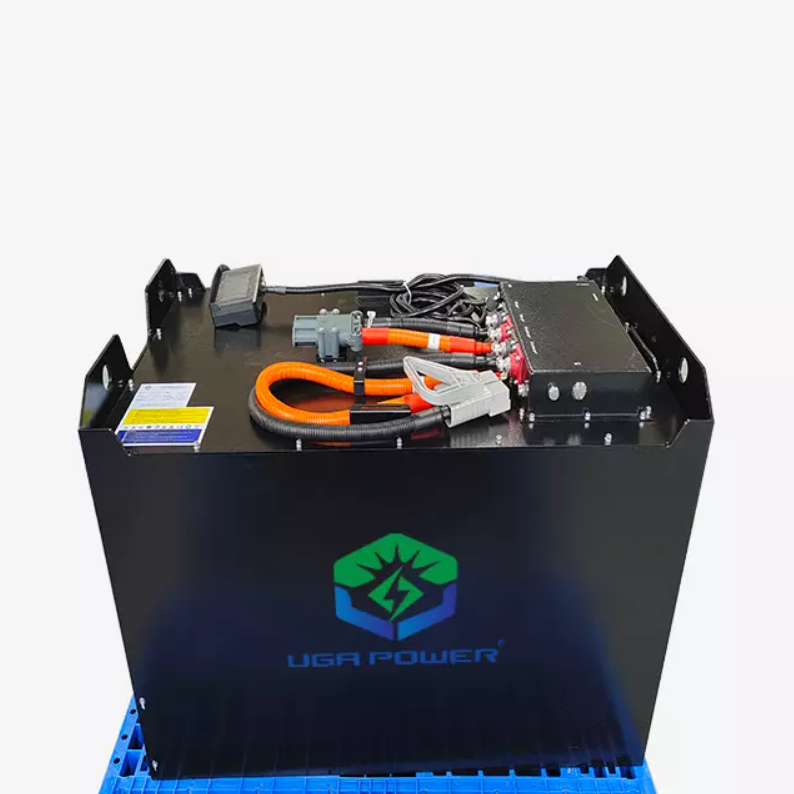
48V LiFePO4 batteries are lithium iron phosphate rechargeable batteries designed to power electric forklifts. They typically operate at a nominal voltage near 51.2V, composed of multiple LiFePO4 cells connected in series. These batteries provide a stable and reliable energy source for forklifts, supporting capacities from 660Ah up to 800Ah or more depending on the model. The LiFePO4 chemistry offers a balance of safety, performance, and longevity, making them ideal for industrial applications.
Key Features and Specifications
When choosing a 48V LiFePO4 forklift battery, consider the following key features:
● Voltage: Usually around 48V nominal (often 51.2V actual) to match forklift requirements.
● Capacity: Ranges from 660Ah to 800Ah, determining run time between charges.
● Cycle Life: Can exceed 3,000 to 5,000 full charge-discharge cycles, significantly longer than lead-acid alternatives.
● Weight: Generally lighter than lead-acid batteries, improving forklift maneuverability.
● Dimensions: Designed to fit standard forklift battery compartments; size varies by capacity.
● Charge Time: Fast charging possible—often within 1 to 3 hours.
● Battery Management System (BMS): Integrated for safety, monitoring cell voltage, temperature, and preventing overcharge or deep discharge.
● Discharge Current: Supports high continuous discharge rates, essential for heavy lifting tasks.
Specification | Example Value |
Voltage | ~51.2V |
Capacity | 660Ah - 800Ah |
Cycle Life | 3,000 - 5,000 cycles |
Weight | ~200 kg (varies) |
Charge Time | 1 - 3 hours |
Continuous Discharge | Up to 300A |
Benefits Over Traditional Lead-Acid Batteries
LiFePO4 batteries outperform traditional lead-acid batteries in several key areas:
● Longer Lifespan: LiFePO4 lasts up to 3-5 times longer, reducing replacement frequency.
● Faster Charging: Charges in a fraction of the time, enabling opportunity charging during breaks.
● Lower Maintenance: No watering or equalizing charges necessary, saving labor and downtime.
● Lighter Weight: Improves forklift handling and safety by reducing overall battery mass.
● Consistent Power: Maintains voltage output steadily throughout discharge, ensuring reliable forklift performance.
● Environmental Safety: Free from toxic lead and acid, safer to handle and dispose of.
● Higher Energy Efficiency: Converts more input energy into usable power, reducing electricity costs.
These advantages translate into improved operational efficiency and lower total cost of ownership over the battery’s life.
Always verify the Battery Management System (BMS) features when selecting a 48V LiFePO4 battery to ensure optimal safety and performance for your forklift operations.

Factors to Consider When Choosing a 48V LiFePO4 Battery
Capacity and Voltage Requirements
Choosing the right capacity and voltage is crucial for your forklift’s performance. The battery’s voltage should match your forklift’s design, usually around 48V nominal (often 51.2V actual). Using a battery with incorrect voltage can cause damage or poor operation.
Capacity, measured in ampere-hours (Ah), determines how long your forklift runs before needing a recharge. For 48V LiFePO4 batteries, capacities typically range from 660Ah to 800Ah. Higher capacity means longer run time but often adds weight and size. Consider your daily workload and shift length to select a battery that supports your operational needs without overloading your forklift.
Compatibility with Forklift Models
Not every 48V LiFePO4 battery fits all forklifts. Check your forklift’s specifications for battery compartment size, connector types, and mounting points. The battery must physically fit and connect properly to avoid installation issues.
Also, consider the forklift’s power requirements. Some models may need batteries supporting higher continuous discharge currents, especially for heavy lifting or fast acceleration. Verify that the battery’s maximum discharge current meets or exceeds your forklift’s peak power demands.
Weight and Size Considerations
Battery weight affects forklift stability and handling. LiFePO4 batteries are lighter than lead-acid counterparts, which improves maneuverability. However, too light a battery might reduce the forklift’s counterbalance, risking safety and load stability.
Size matters too. Battery compartments vary by forklift model. A battery that’s too large won’t fit, while one too small might leave extra space, causing vibration or damage. Always measure your forklift’s battery compartment and compare dimensions before purchasing.
Always measure your forklift’s battery compartment and check connector compatibility before selecting a 48V LiFePO4 battery to ensure a perfect fit and safe operation.
Advantages of Using 48V LiFePO4 Batteries in Forklifts
Extended Cycle Life and Longevity
One of the biggest advantages of 48V LiFePO4 batteries is their long cycle life. These batteries can typically handle between 3,000 and 5,000 full charge-discharge cycles. That’s about 3 to 5 times longer than traditional lead-acid batteries, which usually last around 1,000 to 1,500 cycles. This extended lifespan means you replace batteries less often, cutting down on downtime and replacement costs. For busy operations, longer battery life translates directly into more hours powered and less disruption.
Fast Charging Capabilities
LiFePO4 batteries charge much faster than lead-acid types. While lead-acid batteries might take 7 to 10 hours for a full charge, LiFePO4 batteries typically recharge in just 1 to 3 hours. This fast charging lets you top off batteries during breaks or shift changes, reducing downtime significantly. It also supports opportunity charging — charging the battery whenever there’s a pause in work — which is impossible with lead-acid batteries. Fast charging keeps forklifts ready to work more hours each day, boosting productivity.
Maintenance and Operational Efficiency
Maintenance is simpler and less costly with LiFePO4 batteries. Unlike lead-acid batteries, they don’t require watering or equalizing charges. This reduces labor and the risk of electrolyte spills, making your workplace safer and cleaner. LiFePO4 batteries also have built-in Battery Management Systems (BMS) that monitor voltage, temperature, and charge status to protect the battery from damage. This smart management extends battery life and prevents unexpected failures. Overall, these batteries offer higher operational efficiency by minimizing maintenance time and maximizing uptime.
Choose 48V LiFePO4 batteries with integrated Battery Management Systems (BMS) to ensure safe operation, protect battery health, and reduce maintenance needs in your forklift fleet.
How 48V LiFePO4 Batteries Enhance Forklift Performance
Improved Energy Efficiency
48V LiFePO4 batteries boost forklift energy efficiency significantly. They convert more stored energy into usable power, often reaching efficiency rates above 90%. This means less energy waste during operation compared to lead-acid batteries, which typically range around 70-80% efficiency. The higher efficiency reduces electricity costs and extends run time per charge. Forklifts powered by LiFePO4 batteries use energy more effectively, supporting longer work shifts and lowering overall energy consumption.
Consistent Power Output
One standout feature of LiFePO4 batteries is their ability to deliver steady voltage throughout discharge. Unlike lead-acid batteries, which experience voltage drop as they discharge, LiFePO4 batteries maintain nearly constant power output until nearly depleted. This consistent voltage ensures forklifts operate smoothly without loss of lifting power or speed during shifts. Operators notice reliable performance from start to finish, improving safety and handling. The stable power output also protects forklift motors and electronics from stress caused by voltage fluctuations.
Impact on Productivity and Downtime
Using 48V LiFePO4 batteries directly impacts productivity by reducing forklift downtime. Their fast charging capability allows quick top-ups during breaks, keeping forklifts ready for use without lengthy waits. Combined with longer cycle life and less frequent replacements, these batteries minimize interruptions in daily operations. Maintenance needs drop dramatically, eliminating time spent on watering or equalizing charges required by lead-acid types. Overall, businesses benefit from increased forklift availability, faster turnaround times, and smoother workflows.
To maximize forklift uptime, pair 48V LiFePO4 batteries with fast chargers and schedule opportunity charging during short breaks or shift changes.
Maintenance Practices for 48V LiFePO4 Batteries
Routine Inspections and Monitoring
Regular inspections are key to keeping your 48V LiFePO4 forklift battery in top shape. Check battery terminals and connectors for corrosion or looseness, which can cause poor electrical contact or power loss. Look for any physical damage or swelling on the battery casing, which might indicate internal issues. Use the Battery Management System (BMS) data or external monitoring tools to track voltage, current, and state of charge regularly. Monitoring helps detect early signs of imbalance or faults before they affect performance.
Schedule inspections monthly or more often in demanding environments. Keep terminals clean and dry, and tighten connections as needed. Ensure cables are intact and free from wear. Regular monitoring prevents unexpected downtime and extends battery life by catching problems early.
Temperature and Environmental Considerations
Temperature plays a crucial role in LiFePO4 battery health. These batteries perform best within a temperature range of about 0°C to 45°C (32°F to 113°F). Exposure to extreme cold can reduce capacity temporarily, while high heat accelerates aging and risks thermal runaway. Store and operate your forklift in environments that avoid temperature extremes.
If your facility experiences harsh temperatures, consider installing cooling or heating systems to maintain optimal battery temperature. Avoid direct sunlight or heat sources near the battery compartment. Also, ensure good ventilation around the battery to dissipate heat during charging or heavy use.
Humidity and dust can also affect battery performance. Keep the battery compartment clean and dry. Use protective covers if necessary to prevent dirt ingress. Proper environmental control reduces the risk of corrosion and electrical shorts.
Ensuring Battery Longevity
To maximize the lifespan of your 48V LiFePO4 battery, follow these best practices:
● Avoid Deep Discharges: Try not to drain the battery below 20% state of charge. Deep discharges stress cells and shorten cycle life.
● Use Compatible Chargers: Always charge with a charger designed for LiFePO4 chemistry. Incorrect chargers can cause overcharging or undercharging.
● Opportunity Charging: Take advantage of fast charging to top off batteries during breaks. This reduces deep discharge cycles and keeps forklifts ready.
● Balanced Charging: Ensure the BMS balances cells during charging to prevent voltage imbalance.
● Store Properly: If not in use for a long time, store the battery at about 50% charge in a cool, dry place.
● Avoid Overloading: Match battery capacity to forklift demands to prevent excessive current draw.
Following these guidelines helps maintain capacity, ensures safety, and reduces the need for premature replacements.
Regularly use your battery’s built-in monitoring system or external tools to track health indicators like voltage, temperature, and charge cycles to prevent unexpected failures and extend battery life.

Cost Analysis: Initial Investment vs. Long-Term Savings
Comparing Costs with Lead-Acid Batteries
When selecting a 48V LiFePO4 forklift battery, cost is often the first factor businesses consider. Compared to traditional lead-acid batteries, LiFePO4 batteries usually have a higher upfront price. For example, lead-acid batteries in the 660Ah to 800Ah range might cost between $400 and $1,000, depending on brand and quality. Meanwhile, LiFePO4 batteries for the same capacity typically range from $1,200 to $4,000. This price difference reflects the advanced technology and materials used in lithium batteries.
However, the initial investment doesn't tell the whole story. Lead-acid batteries require routine maintenance such as watering, equalizing charges, and periodic replacements every 3 to 5 years. These tasks add labor costs and downtime. LiFePO4 batteries are maintenance-free and can last 3 to 5 times longer, often reaching 3,000 to 5,000 cycles. This longevity reduces replacement frequency and associated costs.
Long-Term Operational Cost Benefits
LiFePO4 batteries offer significant operational savings over their lifespan. Their fast charging capability (1 to 3 hours) allows forklifts to recharge during breaks, reducing the need for multiple battery sets or long charging downtime. Lead-acid batteries need 7 to 10 hours to fully charge and require cool-down periods, limiting forklift availability.
Lower maintenance requirements also cut labor hours and reduce risks of electrolyte spills or corrosion damage. The integrated Battery Management System (BMS) in LiFePO4 batteries protects against overcharge, deep discharge, and overheating, preventing costly damage.
Energy efficiency is another factor. LiFePO4 batteries convert more input power into usable energy, often exceeding 90% efficiency, compared to about 70-80% for lead-acid. This results in lower electricity bills over time.
ROI and Cost-Efficiency
While LiFePO4 batteries have a higher initial cost, their longer lifespan, reduced maintenance, and energy savings improve return on investment (ROI). Businesses can expect fewer battery replacements, less downtime, and lower operational expenses. Over a 5 to 10-year period, total cost of ownership for LiFePO4 batteries often becomes lower than lead-acid options.
For example, a warehouse operating multiple forklifts may save thousands annually by switching to LiFePO4 batteries due to increased uptime and reduced maintenance labor. Faster charging supports multi-shift work without extra battery banks, further improving productivity and cost-efficiency.
Cost Factor | Lead-Acid Battery | LiFePO4 Battery |
Initial Purchase Price | $400 - $1,000 | $1,200 - $4,000 |
Maintenance Costs | High (watering, equalizing) | Low (minimal upkeep) |
Battery Lifespan (cycles) | 1,000 - 1,500 | 3,000 - 5,000 |
Charging Time | 7 - 10 hours | 1 - 3 hours |
Energy Efficiency | 70 - 80% | 90%+ |
Total Cost of Ownership | Higher over time | Lower over time |
Calculate total cost of ownership including maintenance, energy, and replacement costs—not just initial price—to choose the most cost-effective forklift battery solution.
Conclusion
Choosing the right 48V LiFePO4 forklift battery involves considering voltage, capacity, compatibility, and maintenance needs. These batteries offer longer lifespan, faster charging, and reduced maintenance compared to lead-acid alternatives. They enhance energy efficiency and productivity, making them a cost-effective choice over time. SUZHOU FOBERRIA NEW ENERGY TECHNOLOGY CO,.LTD provides high-quality LiFePO4 batteries, ensuring reliable performance and value for your forklift operations.
FAQ
Q: What is a 48V LiFePO4 Traction Battery?
A: A 48V LiFePO4 Traction Battery is a lithium iron phosphate rechargeable battery designed for forklifts, offering stable energy with capacities from 660Ah to 800Ah.
Q: How does a 48V LiFePO4 Traction Battery improve forklift performance?
A: It boosts performance by providing consistent power output, fast charging, and improved energy efficiency, reducing downtime and enhancing productivity.
Q: Why choose a 48V LiFePO4 Traction Battery over lead-acid?
A: They offer longer lifespan, faster charging, lower maintenance, and higher energy efficiency, resulting in reduced operational costs and improved forklift handling.
Q: Are 48V LiFePO4 Traction Batteries cost-effective?
A: Despite higher upfront costs, they offer long-term savings through reduced maintenance, longer lifespan, and lower energy consumption, improving ROI.