A weak golf cart battery changes how a vehicle feels. It may still move, but acceleration becomes dull, hills become harder, and the operator starts planning every route around battery anxiety. In private use, that is annoying. In a resort, patrol fleet, rental yard, golf course or theme park, it becomes a service issue.
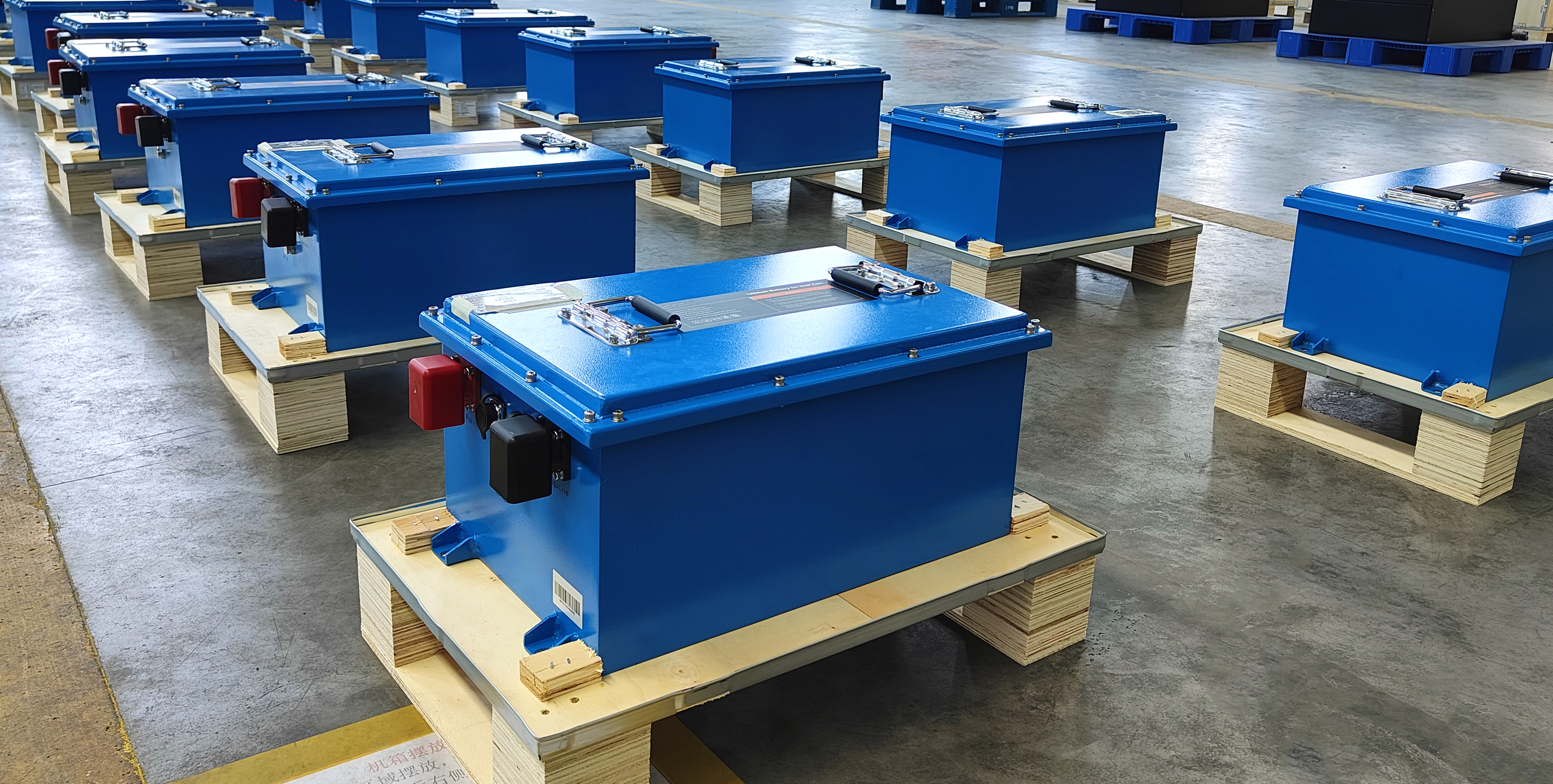
FOBERRIA 51.2V golf cart battery production view
Battery replacement should not be treated as a quick swap between old and new boxes. A safer upgrade looks at voltage, capacity, discharge current, battery tray size, charger behavior, cable condition, BMS protection, operating temperature, and how the vehicle is used. This article explains those checks in plain language.
FOBERRIA is the battery brand of SUZHOU FOBERRIA NEW ENERGY TECHNOLOGY CO.,LTD, a China-based lead-acid and lithium battery solution provider established in 2009. The company describes its product range as AGM, GEL, Deep Cycle, OPzV, OPzS, PZS, PZB, lithium battery and related industrial power solutions. For buyers, that mix matters. It means the supplier is not limited to one chemistry or one small battery niche. It can talk about lead-acid replacement, lithium conversion, industrial storage, golf cart power and motive vehicle use from the same battery background.
Why Golf Cart Battery Replacement Needs More Planning Than Before
Years ago, many fleets replaced battery sets with the same lead-acid configuration they had always used. The process was familiar: check the voltage, buy a set, wire the pack, water it, and repeat the same maintenance routine. Lithium changed the conversation. A single integrated pack can replace a heavier lead-acid set, but only if the technical match is right.
The benefit is clear enough. Lithium iron phosphate batteries can reduce maintenance, lower weight, charge faster, and provide more consistent power. The risk is also clear: a careless conversion can create charger mismatch, controller stress, wrong cable sizing or poor mounting. A good supplier should help buyers check these details before shipment.
FOBERRIA’s 51.2V 105Ah golf cart battery replacement is listed as a direct replacement for golf cart lead-acid batteries. Its product page says it suits sightseeing buses and patrol cars, includes built-in BMS, supports 3.5-hour fast charging, and weighs about 49 kg. Those details make it a strong example for buyers upgrading 48V-class cart systems.
Key Compatibility Checks Before Ordering a Replacement Battery
System Voltage and Controller Demand
The battery voltage must match the vehicle platform. A 51.2V LiFePO4 pack is generally used in 48V-class systems. Buyers should still check the controller’s acceptable voltage range. A controller designed around lead-acid voltage behavior may react differently when connected to a lithium pack with a flatter discharge curve.
Battery Tray Space and Mounting Strength
FOBERRIA lists the 51.2V 105Ah model at no more than 509×309×245 mm. That size needs to be compared with the existing tray and any hold-down hardware. A pack that fits loosely can move under braking or rough ground. A pack that barely fits may strain cables and make service awkward.
Charger Matching
LiFePO4 batteries normally require a charger profile that matches lithium chemistry. Reusing a lead-acid charger can be risky unless the supplier confirms compatibility. It may undercharge, overcharge, or fail to communicate correctly with the pack’s protection design.
Note: A lithium conversion should be treated as a system upgrade. Battery, charger, controller, cables and mounting hardware all deserve a look.
FOBERRIA 51.2V 105Ah Battery: Details Buyers Can Use
The 51.2V 105Ah FOBERRIA model gives buyers enough listed data to start a technical review. The battery uses LiFePO4 chemistry and includes a built-in battery management system. The page lists standard capacity, rated voltage, charge voltage, cut-off voltage, charging time, discharge current, peak discharge current, dimensions and weight.
Specification | Listed value |
Model | 51.2V/105AH |
Rated voltage | 51.2V |
Standard capacity | 105Ah |
Max charge voltage | 58.4V |
Cut-off voltage | 40V |
Standard charge current | ≤30A |
Charging time | About 3.5 hours |
Continuous discharge current | 105A |
Peak discharge current | 300A |
Battery dimension | ≤509×309×245 mm |
Total weight | About 49 kg |
This information helps a fleet buyer decide whether the pack is worth deeper matching. It also helps a technician compare the pack with cable size, load demand and installation space. No table can replace a final compatibility check, but it prevents blind purchasing.
What a Good Replacement Project Looks Like
Start With a Fleet Audit
Check how many carts need replacement now and how many can wait. Mixing old and new battery systems across a fleet is possible, but it creates training and charging complexity. A clear audit helps decide whether to convert in one batch, by route group, or by vehicle age.
Inspect the Old System Before Removing It
Loose terminals, damaged cables, corrosion, and worn trays are common. Do not hide those problems under a new battery. Cables that overheated under lead-acid use should be checked carefully before lithium installation. A new pack deserves clean connections.
Plan Charging Space
Faster charging sounds convenient, yet many sites forget the charging area. Carts need safe parking space, dry charger placement, correct outlets, ventilation when required, and staff procedures. If carts return at the same hour, the charging plan must support that peak.
Lead-Acid Replacement: Where Lithium Helps Most
Lithium helps most where carts run often, charge often, and cause maintenance pressure. Golf courses with heavy daily use, scenic parks with rental traffic, and community patrol fleets may benefit more than a privately owned cart used twice a month. The higher upfront price makes more sense when the vehicle works enough to recover value through lower service work and longer practical availability.
Use case | Replacement note |
Fleet with daily use | Lithium can reduce downtime and routine maintenance |
Seasonal resort carts | Storage rules matter, but faster readiness can help busy periods |
Hilly sightseeing routes | Check peak discharge and controller demand carefully |
Light private use | Lead-acid may still be acceptable if budget is the main concern |
Rental fleets | Consistent range and simple charging routines are valuable |
Put simply, lithium is strongest when time matters. If staff spend hours watering batteries, cleaning corrosion, checking weak carts and swapping aging packs, the cost is not only the battery invoice. It is labor, downtime and lost service quality.
Safety and Handling During Replacement
A 49 kg battery is lighter than many lead-acid sets, but it is not a toy. Use safe lifting methods. Avoid crushing cables. Keep tools away from terminals. Check polarity before connection. Confirm that the key is off and the vehicle cannot move. If the installation team is not trained for electrical work, use qualified technicians.
LiFePO4 chemistry is known for stable behavior, but any battery stores energy. Short circuits, wrong chargers, damaged cases, and poor wiring can still create trouble. A careful replacement process protects the buyer’s investment and the operator’s safety.
Cost Factors Beyond the Battery Price
A quotation may list only the battery price, but a real project includes more. Chargers may need replacement. Cables may need inspection or upgrading. Hold-down brackets may need adjustment. Staff may need training. Shipping documents and import paperwork may be required for cross-border purchases. These items should be discussed early.
There is also the cost of not replacing on time. Weak batteries can reduce route length and create more service calls. They may force extra vehicles into rotation. They can frustrate guests, staff and maintenance teams. A delayed replacement can look cheap on paper and expensive in operation.
Maintenance After the Upgrade
LiFePO4 batteries reduce maintenance, but they do not remove responsibility. Keep connectors clean. Avoid physical impact. Use a matched charger. Store the cart properly during long idle periods. Train operators to report alarms, sudden power loss, abnormal heat or unusual charging behavior.
Record battery serial numbers and installation dates.
Keep charger labels clear and visible.
Check cable tightness after the first operating period.
Do not pressure-wash electrical compartments directly.
Review state-of-charge behavior during the first busy week.
Replacement Preparation That Makes the Upgrade Safer
A good replacement project starts before the old pack comes out. Clean the battery area. Photograph the existing wiring. Label cables where needed. Check whether the cart has been modified over the years. Older carts often carry added lights, speakers, coolers or tracking devices. These accessories may change power demand or create wiring clutter.
After the visual check, measure the tray and compare it with the listed battery size. The FOBERRIA 51.2V 105Ah model is listed at no more than 509×309×245 mm. That number should be checked against real space, including room for cables, brackets and safe handling. If the fit is too tight, maintenance becomes harder and cable stress increases.
Charger preparation matters as much as physical fit. Ask whether the original charger can be used or whether a lithium charger is required. In many cases, buying the right charger at the same time is cheaper than troubleshooting a poor charging routine later.
Preparation item | Practical value |
Battery compartment photos | Help supplier confirm layout and cable routing |
Old battery label | Shows existing voltage and capacity class |
Charger label | Confirms whether charger profile may need change |
Controller model | Helps check voltage range and load demand |
Cable condition | Reveals overheating, corrosion or weak terminals |
Tray measurement | Prevents fit problems after delivery |
Commissioning Checks After Installation
After the new battery is installed, do not send the cart straight into full service. Test it carefully. Check polarity. Confirm cable tightness. Verify the charger starts and stops correctly. Watch the first charge cycle. Drive the cart without passengers first, then test under normal load.
This commissioning period gives maintenance teams a chance to catch mistakes early. A loose terminal, wrong charger profile or weak cable may not show up at the first key turn. It may appear when current demand rises. A short controlled test can save a public breakdown later.
Record the first day’s behavior. How long did it charge? Did the cart accelerate normally? Did it show any alarm? How much reserve remained at the end of a standard route? These records become the baseline for future maintenance.
How to Communicate the Change to Operators
Operators may be used to lead-acid behavior. They may expect voltage to drop in a familiar way, or they may be used to parking carts based on old habits. Lithium behaves differently. It may hold voltage more steadily and then cut off through protection if abused. Staff should know this so they do not misread the battery.
A simple handover works best. Show staff the charger, explain when carts should be plugged in, and make clear that only approved chargers should be used. Tell them who to contact if the cart feels weak or an alarm appears. Short instructions work better than a long manual that stays in an office drawer.
When a Replacement Should Be Delayed
Not every cart is ready for a lithium upgrade today. If the controller is damaged, the wiring is unsafe, or the tray is badly corroded, fix those problems first. A new battery will not solve an old electrical fault. It may simply reveal it faster.
There are also budget reasons to delay. If a fleet uses carts only a few hours per month, a lead-acid replacement may still make financial sense. The best supplier should be comfortable discussing that reality. A good purchase is one that fits use, not one that follows a trend.
Replacement Timing for Seasonal Operations
Seasonal fleets should plan replacement before the busy period begins. Waiting until carts fail during peak demand creates stress for staff and guests. A calmer installation window gives the team time to test chargers, correct labels and review operator habits.
For a large site, ordering a few spare parts and one extra charger may also be sensible. A battery upgrade works best when the surrounding service plan is ready, not when every small issue becomes an emergency purchase.
FAQ
What is the best golf cart battery for a 48V system?
A 51.2V LiFePO4 golf cart battery is often used for 48V-class systems, but buyers must confirm controller, charger and tray compatibility before ordering.
Can a lithium golf cart battery replace lead-acid batteries directly?
Some lithium packs are designed as direct replacements, yet the charger, wiring and mounting still need checking. Direct replacement should never mean no inspection.
How heavy is the FOBERRIA 51.2V 105Ah golf cart battery?
The FOBERRIA product page lists the 51.2V 105Ah golf cart battery at about 49 kg, with dimensions no more than 509×309×245 mm.
Does a LiFePO4 golf cart battery need watering?
No. A LiFePO4 golf cart battery does not need watering, which is one reason fleets use it to reduce maintenance tasks.
What charger should I use after battery replacement?
Use a charger profile approved for the lithium battery. The wrong charger can reduce performance or create safety issues.
When should a fleet replace golf cart batteries?
Replace them when range drops, charge time becomes unreliable, voltage sag affects driving, or maintenance cost becomes too high for daily operation.
Rollout Strategy for Multi-Cart Fleets
A fleet replacement project can be done in one large changeover or in smaller groups. A full changeover is cleaner because every cart follows the same charging and maintenance routine. It also makes spare parts and operator training simpler. The downside is budget pressure and the need to manage more installation work at once.
A phased changeover spreads cost and gives the maintenance team time to learn. The risk is mixed routines. Some carts may use lead-acid chargers while others use lithium chargers. Some vehicles may have longer range than others. If the site chooses a phased plan, labels and records become non-negotiable.
For resorts and golf courses, timing matters. Do not plan a battery conversion at the start of peak season unless the team has already tested the pack. A quieter month is better. The team can install, test and train staff without pressure from daily guest demand.
Battery replacement should improve measurable problems. Track charging time, number of carts ready at opening, route completion rate, maintenance hours, battery-related service calls and operator complaints. These are not complicated metrics, but they show whether the new system is helping.
Some benefits show quickly. Charging may feel easier within the first week. Other benefits take months. Maintenance hours, replacement planning and total operating cost require longer observation. Good records protect the buyer from relying on memory or one loud complaint.
When comparing before and after data, use similar conditions. A cart used in cool weather and light traffic cannot be compared fairly with one used in hot weather on a busy route. Battery performance always lives inside a real operating environment.
Distributor and OEM Buyer Notes
Distributors and OEM buyers should ask questions that individual fleet users may skip. Can the supplier support repeated batches? Are labels consistent? Can carton markings meet local resale needs? What documentation comes with each order? Is OEM or ODM support available for special markets?
For a 51.2V 105Ah golf cart battery, brand trust depends on more than one shipment. If the distributor sells to golf courses, resorts or patrol fleets, after-sales questions will come back to them first. That makes stable product data, clear user guidance and reliable supplier communication essential.
Final Buyer Checklist for This Topic
Before making a purchase decision, combine the product page with your own field data. The supplier can provide specifications, but the buyer knows the equipment, route, load and working habits. A clear purchase request usually leads to a better product match and fewer after-sales questions.
Item | Check before order |
Application | Describe the real equipment and use case |
Voltage | Match the system voltage exactly |
Capacity | Link Ah rating to runtime need |
Discharge | Check normal and peak current demand |
Charger | Confirm lithium or LiFePO4 compatibility |
Installation | Measure space and cable routing |
Service | Ask for warranty and support procedure |
FOBERRIA can be approached as a battery solution supplier rather than just a catalog seller. For B2B buyers, that matters. The more detailed the operating information, the more likely the final battery choice will fit the equipment without expensive rework.
Procurement Notes for International Buyers
International battery purchases require more attention than many ordinary spare parts. Buyers should confirm packaging, carton marking, shipping route, delivery terms and documentation. Lithium batteries may need special transport handling, and the exact requirement depends on destination, carrier and battery type. It is better to discuss these points before payment rather than when goods are ready to leave the factory.
Ask for product photos, specification sheets, user guidance and available test documents. If the goods will be resold, confirm branding, label language, packaging design and any regional market needs. If the goods will be installed in equipment, confirm whether the final machine needs additional compliance testing after battery installation.
Bulk buyers should also agree on inspection points. That can include appearance, voltage check, accessories, packaging, model labels and carton count. These checks are not complicated, but they prevent small mistakes from becoming expensive once the shipment arrives overseas.
Conclusion
A golf cart battery replacement is not just a purchase. It is a decision about uptime, safety, charging discipline and fleet consistency. Buyers who check voltage, capacity, size, charger matching and service needs usually avoid the expensive surprises.
FOBERRIA’s 51.2V 105Ah LiFePO4 battery is a practical option for buyers reviewing 48V-class golf cart, sightseeing bus or patrol car upgrades. The smart move is simple: match the whole system first, then compare price.


