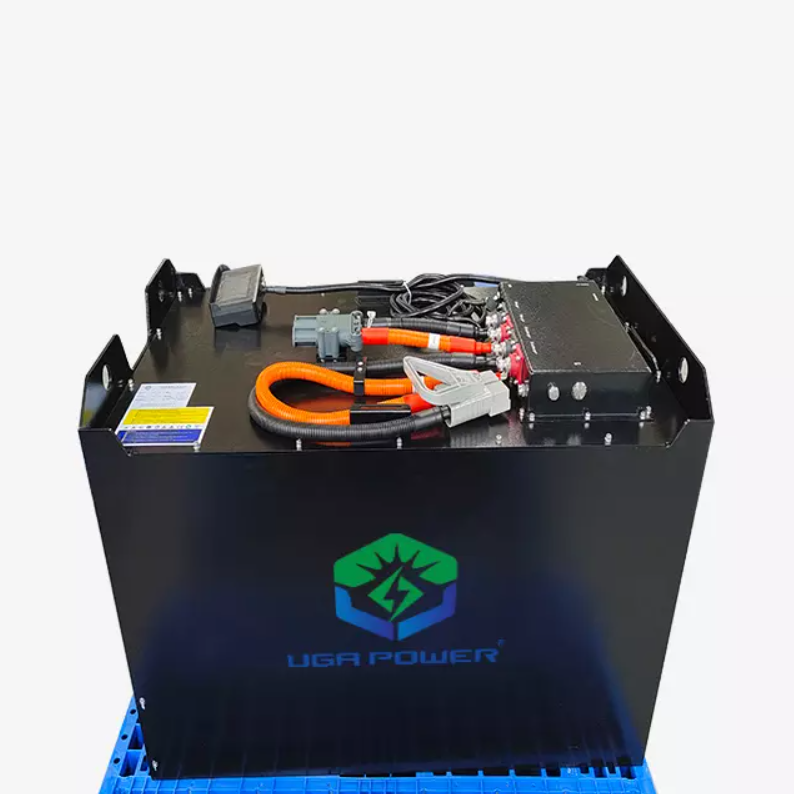
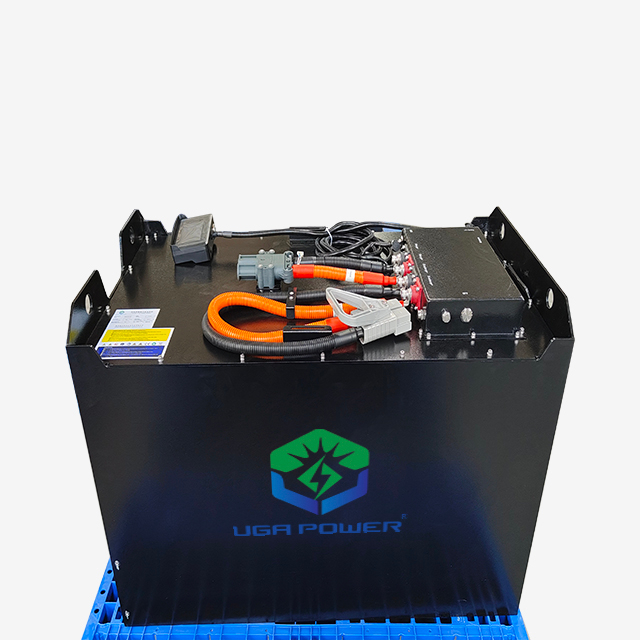
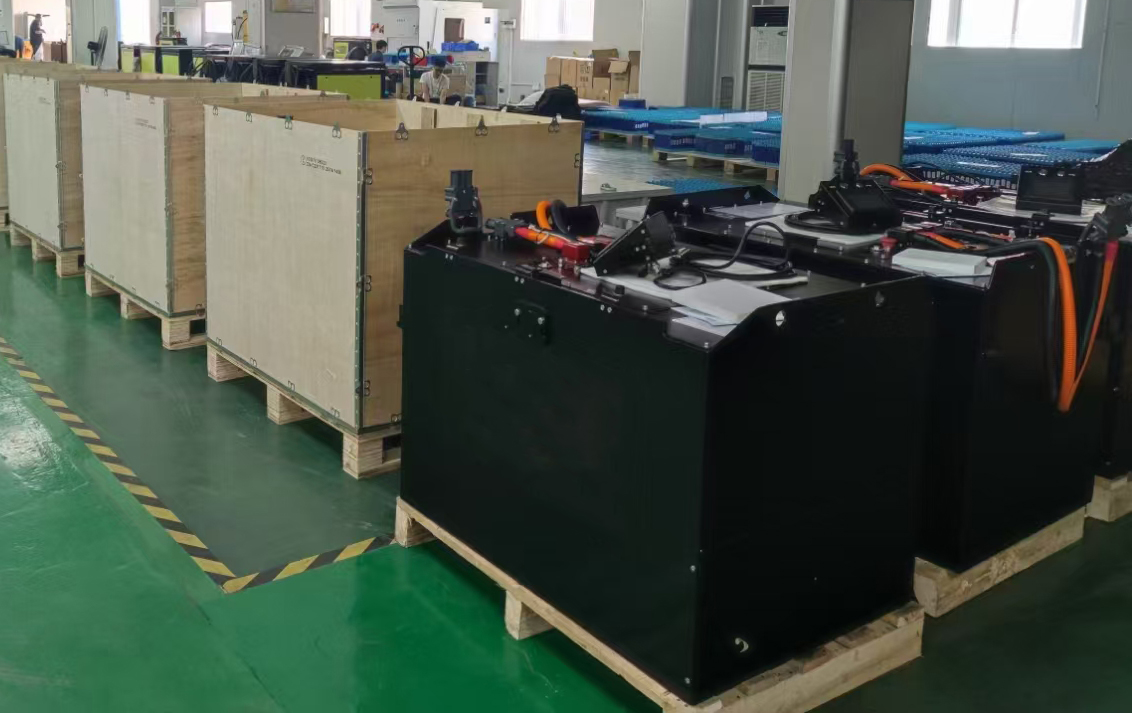
![Eco-Friendly Forklift Batteries: 48V LiFePO4’s Carbon Cut]()
In an era where sustainability is paramount, the transition to eco-friendly technologies is essential for modern industries. Among these innovations, 48V LiFePO4 (Lithium Iron Phosphate) forklift batteries stand out as a game-changer. Offering remarkable longevity, rapid charging capabilities, and minimal environmental impact, these batteries not only enhance operational efficiency but also significantly reduce carbon footprints. This article explores the benefits of adopting 48V LiFePO4 technology, highlighting its role in promoting greener practices in material handling and warehouse operations.
Understanding LiFePO4 Technology
What is LiFePO4?
LiFePO4 stands for Lithium Iron Phosphate, a type of lithium-ion battery chemistry. It uses iron phosphate as the cathode material, making it different from other lithium-ion batteries that use cobalt or manganese. This chemistry offers a stable and safe energy storage solution, ideal for heavy-duty applications like forklifts. LiFePO4 batteries provide consistent power output and maintain capacity over many charge cycles, ensuring reliability for industrial use.
Advantages of LiFePO4 over Traditional Lead-Acid Batteries
LiFePO4 batteries outperform traditional lead-acid batteries in several key ways:
● Longer Lifespan: LiFePO4 batteries can last up to 5 times longer, often exceeding 5,000 charge cycles, compared to about 1,000-1,500 cycles for lead-acid batteries. This means fewer replacements and less downtime.
● Faster Charging: They support rapid charging, reducing forklift downtime and increasing productivity.
● Lighter Weight: LiFePO4 batteries weigh less, improving forklift efficiency and maneuverability.
● Maintenance-Free: Unlike lead-acid batteries, they require no watering or acid level checks, lowering maintenance costs and complexity.
● Higher Energy Efficiency: They deliver more usable energy per charge, reducing electricity consumption and operational costs.
● Better Performance: LiFePO4 batteries maintain steady voltage during discharge, ensuring consistent forklift power and speed.
Environmental Benefits of LiFePO4 Technology
LiFePO4 batteries offer significant environmental advantages, making them a smart choice for eco-conscious businesses:
● Non-Toxic Materials: They contain no lead, mercury, or cadmium, which are hazardous in lead-acid batteries.
● Reduced Carbon Footprint: Longer battery life and higher efficiency translate to less frequent manufacturing and disposal, cutting overall emissions.
● Recyclability: Iron phosphate and lithium components are easier to recycle compared to lead-acid battery materials.
● No Acid Leakage: The absence of corrosive acid eliminates risks of soil and water contamination.
● Energy Savings: Fast charging and high efficiency reduce energy waste during operation.
Switching to LiFePO4 batteries aligns with sustainability goals and regulatory trends pushing industries toward greener solutions.
When upgrading forklift batteries, consider LiFePO4 technology to reduce maintenance costs and boost operational efficiency while supporting your company’s sustainability goals.

The Benefits of 48V LiFePO4 Forklift Batteries
High Capacity and Longevity
48V LiFePO4 forklift batteries offer impressive capacity, typically ranging from 660Ah to 800Ah. This high capacity means forklifts can run longer between charges, boosting productivity on the warehouse floor. More importantly, these batteries have a long lifespan, often exceeding 5,000 charge cycles. That’s up to five times longer than traditional lead-acid batteries. The extended life reduces the frequency of battery replacements, saving money and minimizing downtime. You get consistent power output even after thousands of cycles, ensuring reliable forklift operation day after day.
Fast Charging Capabilities
One standout feature of 48V LiFePO4 batteries is their fast charging ability. Unlike lead-acid batteries that may take 8 hours or more to fully recharge, these lithium batteries can charge in just 2 to 3 hours. Faster charging means forklifts spend less time idle and more time working. This rapid recharge capability allows businesses to run multiple shifts without needing extra batteries. Plus, LiFePO4 batteries tolerate partial charging well, so quick top-ups during breaks are possible without harming battery health. This flexibility enhances operational efficiency and reduces the need for large battery inventories.
Enhanced Safety Features
Safety is critical in industrial environments. 48V LiFePO4 forklift batteries come equipped with advanced safety systems to protect equipment and personnel. They include built-in overcurrent protection, short-circuit prevention, and thermal management to avoid overheating. LiFePO4 chemistry itself is inherently safer than other lithium battery types due to its thermal stability and resistance to combustion. These batteries also eliminate risks linked to acid spills or leaks common with lead-acid batteries. This robust safety profile reduces the chance of accidents, making workplaces safer and lowering insurance risks.
Regularly monitor your 48V LiFePO4 forklift battery’s charge status and temperature during operation to maximize safety and extend battery life.
Applications of 48V LiFePO4 Forklift Batteries
Use in Reach Trucks and Counterbalanced Forklifts
48V LiFePO4 batteries are an excellent power source for reach trucks and counterbalanced forklifts. Reach trucks benefit from the high energy density and long runtime, enabling operators to work longer without battery swaps. These batteries also support fast charging, minimizing downtime during shift changes. For counterbalanced forklifts, the stable voltage output ensures smooth lifting and precise control, enhancing safety and efficiency. Their lighter weight compared to lead-acid batteries improves forklift maneuverability and reduces wear on tires and motors.
Powering Aerial Work Platforms and Floor Cleaners
Aerial work platforms demand reliable and safe power for elevated tasks. The 48V LiFePO4 batteries provide consistent energy, allowing these platforms to operate longer and charge faster between uses. Their enhanced safety features reduce risks associated with overheating or electrical faults, critical for elevated work environments. Similarly, floor cleaning machines benefit from these batteries’ long life and quick recharge times, enabling continuous operation over large areas without frequent interruptions.
Compatibility with Various Material Handling Equipment
One of the key advantages of 48V LiFePO4 forklift batteries is their versatility. They are compatible with a wide range of material handling equipment beyond forklifts and platforms, including pallet jacks, stackers, and automated guided vehicles (AGVs). This compatibility allows businesses to standardize their battery inventory, simplifying maintenance and reducing costs. The batteries’ robust design and IP54 ingress protection rating ensure durability even in demanding industrial environments, protecting against dust and water splashes.
When selecting batteries for diverse equipment, choose 48V LiFePO4 models to streamline operations and reduce maintenance complexity across your material handling fleet.
Installation and Maintenance
Steps for Proper Installation
Installing a 48V LiFePO4 forklift battery is straightforward but requires care to ensure safety and performance. First, clean the battery compartment to remove dust or debris that could interfere with connections. Next, place the battery securely in the compartment, making sure it fits snugly without forcing it. Connect the positive terminal first, followed by the negative terminal, using the recommended connectors and cables. Tighten all connections firmly to avoid loose contacts, which can cause power loss or sparks. Always refer to the manufacturer’s instructions for specific installation details and safety precautions. Avoid placing the battery near heat sources or in damp environments to prevent damage.
Charging Guidelines for Optimal Performance
Charging your 48V LiFePO4 battery correctly maximizes its lifespan and efficiency. Use a charger compatible with LiFePO4 chemistry and the battery’s voltage rating—typically 48V or 51.2V. Fast charging is possible, usually between 2 to 3 hours, but avoid overcharging by monitoring the charging process. Most chargers have automatic shutoff features to prevent this. Charge the battery in a temperature range from 0°C to 55°C for best results. Partial charges during breaks are safe and help maintain battery health. Never let the battery fully discharge; recharge promptly when the charge falls below 20% to avoid deep discharge damage.
Maintenance Tips to Extend Battery Life
LiFePO4 batteries require minimal maintenance compared to lead-acid types, but some care ensures long-lasting performance. Regularly inspect terminals for corrosion or loose connections and clean them with a dry cloth if needed. Avoid exposure to extreme temperatures—store batteries in cool, dry places between 0°C and 40°C. If storing for long periods, charge the battery to about 50% and check the charge every few months. Keep the battery clean by wiping off dust or dirt; do not use harsh chemicals that could damage the casing. Monitor battery performance and replace it if you notice significant drops in runtime or charging efficiency. Following these steps helps maintain battery health and reduces unexpected downtime.
Always use a charger designed for LiFePO4 batteries and avoid letting the battery fully discharge to maximize its lifespan and performance.
Comparing LiFePO4 with Other Battery Types
LiFePO4 vs. Lead-Acid Batteries
LiFePO4 batteries offer several advantages over traditional lead-acid batteries, making them a preferred choice for modern forklift operations:
● Longer Lifespan: LiFePO4 batteries can last up to five times longer, often exceeding 5,000 charge cycles compared to 1,000–1,500 cycles for lead-acid. This means fewer replacements and less downtime.
● Faster Charging: LiFePO4 batteries recharge in 2 to 3 hours, while lead-acid batteries may require 8 hours or more. Faster charging keeps forklifts running longer during shifts.
● Lighter Weight: LiFePO4 batteries weigh significantly less, improving forklift maneuverability and reducing wear on motors and tires.
● Maintenance-Free: No watering or acid level checks are needed, cutting maintenance time and costs.
● Consistent Power: They maintain steady voltage throughout discharge, ensuring smooth forklift performance.
● Environmental Safety: No acid leaks or toxic lead content, reducing environmental hazards.
These benefits translate into higher productivity, lower operational costs, and a safer workplace.
LiFePO4 vs. Other Lithium-Ion Chemistries
Among lithium-ion battery chemistries, LiFePO4 stands out for forklifts because of its unique safety and stability features:
● Thermal Stability: LiFePO4 resists overheating better than lithium cobalt oxide or manganese oxide batteries, lowering fire risks.
● Long Cycle Life: It offers a longer lifespan than many other lithium chemistries, supporting thousands of charge cycles.
● Eco-Friendly Materials: Uses iron phosphate, which is less toxic and more abundant than cobalt or nickel used in other lithium batteries.
● Stable Voltage: Provides consistent voltage output, ideal for industrial equipment needing reliable power.
● Lower Energy Density: While LiFePO4 has lower energy density than some other lithium-ion types, its safety and durability benefits outweigh this for forklift use.
Choosing LiFePO4 means prioritizing safety, longevity, and environmental responsibility without sacrificing performance.
Cost-Effectiveness and Long-Term Savings
Though LiFePO4 batteries typically have a higher upfront cost than lead-acid batteries, their total cost of ownership is often lower:
● Reduced Replacement Frequency: Longer lifespan means fewer battery purchases over time.
● Lower Maintenance Costs: No need for watering, acid checks, or special handling.
● Energy Savings: Higher efficiency reduces electricity bills.
● Increased Productivity: Faster charging and consistent power allow more operational hours.
● Safety Savings: Fewer accidents and spills reduce liability and insurance costs.
Investing in LiFePO4 batteries can deliver substantial long-term financial benefits, especially for fleets running multiple shifts or heavy workloads.
When evaluating forklift batteries, consider total cost of ownership including lifespan, maintenance, and energy savings—not just initial price—to make a smart, sustainable investment.

Addressing Common Concerns
Safety Concerns and Mitigation Strategies
Safety remains a top priority when using 48V LiFePO4 forklift batteries. Although LiFePO4 chemistry is inherently safer than other lithium-ion types, understanding potential risks and how to prevent them is crucial. These batteries feature built-in protections like overcurrent, short-circuit, and thermal management systems. These safeguards help prevent overheating, electrical faults, and fires. However, proper handling during installation, charging, and operation is essential to maintain safety.
Avoid exposing batteries to extreme temperatures or physical damage. Damaged cells can cause internal short circuits, leading to thermal runaway. Use chargers designed for LiFePO4 batteries and never bypass safety controls. Regularly inspect batteries for swelling, corrosion, or unusual heat during use. If any abnormalities appear, remove the battery from service immediately and consult a professional.
Understanding Charge and Discharge Cycles
LiFePO4 batteries perform best when charged and discharged within recommended parameters. They tolerate partial charges well, which means you can top them up during breaks without harming battery life. Avoid deep discharges below 20%, as this stresses the battery and shortens its lifespan. Most LiFePO4 batteries have a built-in battery management system (BMS) that prevents over-discharge and overcharge, protecting cells from damage.
Charge the battery at temperatures between 0°C and 55°C for optimal performance. Charging outside this range can reduce capacity and cause premature aging. Discharge temperatures should stay between –10°C and 55°C. Monitoring charge status and temperature during operation helps avoid unsafe conditions and extends battery life.
Environmental Impact and Recycling
LiFePO4 batteries offer clear environmental advantages over lead-acid and other lithium chemistries. They contain no toxic heavy metals like lead, mercury, or cadmium. Their long lifespan reduces waste and manufacturing emissions. When the battery reaches end-of-life, components such as lithium and iron phosphate are easier to recycle than lead-acid materials.
Recycling programs for LiFePO4 batteries are growing, helping recover valuable metals and reduce landfill waste. Proper disposal prevents environmental contamination and supports circular economy goals. Businesses should partner with certified recycling centers to ensure responsible handling.
By choosing LiFePO4 batteries, companies reduce harmful emissions, minimize hazardous waste, and support sustainable industrial practices.
Always use a compatible charger and monitor battery temperature during charging to ensure safety and maximize your 48V LiFePO4 forklift battery’s lifespan.
Conclusion
48V LiFePO4 batteries offer longer lifespan, faster charging, and environmental benefits over lead-acid batteries. They support sustainability goals by minimizing emissions and waste. As eco-friendly solutions become essential, adopting these batteries is crucial for businesses. SUZHOU FOBERRIA NEW ENERGY TECHNOLOGY CO,.LTD provides advanced 48V LiFePO4 batteries, enhancing operational efficiency and safety while aligning with green initiatives. Investing in this technology ensures long-term savings and environmental responsibility, making it an ideal choice for modern industrial applications.
FAQ
Q: What is a 48V LiFePO4 Traction Battery?
A: A 48V LiFePO4 Traction Battery is a type of lithium-ion battery using lithium iron phosphate chemistry, known for its stability, safety, and long lifespan, ideal for powering forklifts and other industrial equipment.
Q: How does a 48V LiFePO4 Traction Battery benefit forklifts?
A: The 48V LiFePO4 Traction Battery offers forklifts longer runtime, faster charging, and maintenance-free operation, enhancing productivity and reducing operational costs.
Q: Why choose a 48V LiFePO4 Traction Battery over lead-acid?
A: Opting for a 48V LiFePO4 Traction Battery provides longer lifespan, faster charging, lighter weight, and eco-friendly advantages compared to traditional lead-acid batteries.
Q: What are the cost implications of a 48V LiFePO4 Traction Battery?
A: While initially more expensive, a 48V LiFePO4 Traction Battery offers lower total ownership costs due to reduced maintenance, fewer replacements, and energy savings over time.