![Are 48V LiFePO4 Forklift Batteries Safe? Key Protections]()
As industries increasingly adopt advanced battery technologies, the safety of these power sources becomes paramount. Among them, 48V LiFePO4 forklift batteries stand out due to their superior thermal stability and robust design. This article delves into the key protections that ensure the safe operation of these batteries, highlighting their inherent safety features, including the Battery Management System (BMS), thermal monitoring, and fire safety mechanisms. Understanding these protections is crucial for operators and businesses aiming to enhance workplace safety while maximizing operational efficiency.
Understanding 48V LiFePO4 Forklift Batteries
Composition and Chemistry
48V LiFePO4 forklift batteries use lithium iron phosphate as their core material. This chemistry offers high thermal stability and safety compared to other lithium-ion types. The iron phosphate structure resists overheating and reduces risks of fire or explosion. The battery cells contain cathodes made from LiFePO4, anodes from carbon, and electrolytes that facilitate ion movement during charge and discharge cycles. This stable chemistry supports consistent voltage output and long cycle life, making it ideal for heavy-duty industrial use.
Advantages Over Traditional Lead-Acid Batteries
LiFePO4 batteries provide several advantages over lead-acid batteries commonly used in forklifts:
● Longer Lifespan: LiFePO4 batteries typically last 2,000 to 3,000 cycles, about twice or thrice the life of lead-acid alternatives.
● Faster Charging: They support rapid charging, reducing forklift downtime during shift changes.
● Lower Maintenance: Unlike lead-acid batteries, they require no watering or equalizing charges.
● Stable Voltage: They maintain a steady voltage output throughout discharge, ensuring consistent forklift performance.
● Lightweight: These batteries weigh less, improving forklift efficiency and maneuverability.
● No Toxic Emissions: They don’t emit hazardous gases like hydrogen, enhancing workplace safety.
● Better Temperature Range: Operate efficiently from -20°C to 60°C, tolerating harsh industrial environments.
Applications in Industrial Settings
48V LiFePO4 batteries are widely used in warehouses, manufacturing plants, and logistics centers. Their safety features and durability make them suitable for:
● Electric forklifts used for loading, unloading, and material transport.
● Automated guided vehicles (AGVs) requiring reliable power for continuous operation.
● Stackers and pallet jacks that benefit from lightweight, compact batteries.
● Cold storage facilities where low-temperature performance is critical.
Their compatibility with smart charging systems and integration into IoT platforms allows real-time monitoring and predictive maintenance, reducing unexpected failures and improving operational efficiency.
LiFePO4 chemistry’s inherent thermal stability and robust design significantly reduce fire risks compared to lead-acid batteries, making them safer for industrial forklift applications.

Battery Management System (BMS) and Safety
Role of BMS in Monitoring and Protection
The Battery Management System (BMS) is the brain behind the safe operation of 48V LiFePO4 forklift batteries. It constantly monitors the battery’s vital stats and keeps everything running smoothly. The BMS tracks voltage, current, and temperature for each cell, ensuring no part of the battery gets pushed beyond safe limits. If it detects anything unusual, it acts quickly to prevent damage or hazards. This real-time monitoring helps avoid problems like overcharging, deep discharging, or overheating, which can shorten battery life or cause safety risks.
Cell Monitoring and SOC Calculation
One of the BMS’s critical jobs is cell monitoring. Each battery pack contains multiple cells, and the BMS keeps an eye on each one’s voltage and temperature. This ensures all cells balance well and work together efficiently. The system also calculates the State of Charge (SOC), which tells you how much energy remains in the battery. Accurate SOC data helps forklift operators know when to recharge and prevents running the battery too low, which could harm the cells. This precise tracking supports longer battery life and consistent forklift performance.
Protection Mechanisms Against Overcharge and Short Circuits
The BMS includes several built-in protection features to guard the battery:
● Overvoltage Protection: Stops charging once the battery reaches its maximum safe voltage, preventing damage from overcharging.
● Undervoltage Protection: Prevents the battery from discharging below a critical level, which can cause permanent harm.
● Overcurrent Protection: Limits current flow during charging or discharging to avoid overheating or internal damage.
● Short Circuit Protection: Detects sudden short circuits and immediately cuts off power to avoid fire or explosion risks.
These protections work automatically and continuously, ensuring the battery stays within safe operating conditions at all times.
A well-designed BMS is essential for industrial forklift batteries, as it extends battery life and significantly reduces safety risks by managing charging, discharging, and fault conditions in real time.
Thermal Management and Fire Safety
Importance of Temperature Monitoring
Temperature monitoring plays a crucial role in keeping 48V LiFePO4 forklift batteries safe. These batteries perform best within a specific temperature range, usually between -20°C and 60°C. If temperatures rise too high during charging or discharging, it can cause the battery to degrade faster or, in rare cases, lead to thermal runaway. To prevent this, built-in temperature sensors continuously check the battery’s heat levels. These sensors alert the Battery Management System (BMS) to take action if temperatures approach unsafe limits. By keeping temperatures stable, the battery lasts longer and operates safely, even under heavy industrial use.
Cooling Systems for Heat Management
To manage heat effectively, many 48V LiFePO4 batteries include cooling systems. These systems help dissipate heat generated during fast charging or intense use. There are two main types:
● Passive Cooling: Uses heat sinks or natural airflow to carry heat away without extra power consumption. This method is simple and reliable but may be less effective in very hot environments.
● Active Cooling: Employs fans or liquid cooling to remove heat more aggressively. Active systems are common in high-capacity batteries or those used in demanding conditions.
Both methods help maintain optimal battery temperature, preventing overheating that could damage cells or reduce performance. Proper cooling also reduces fire risk by keeping the battery within safe thermal limits.
Fire Safety Features and Emergency Stop Functions
48V LiFePO4 forklift batteries often come with built-in fire safety features to minimize hazards. These include:
● Flame-retardant Materials: Battery casings made from fire-resistant plastics or metals reduce the chance of fire spreading if a cell fails.
● Fire Arrestors: Some batteries have internal components designed to contain flames or heat during thermal events.
● Emergency Stop (E-Stop) Functionality: This safety feature allows operators to immediately disconnect power in emergencies. Activating the E-Stop halts battery output, preventing further damage or accidents.
These features work together to protect both the forklift and its operators. In industrial settings, where safety is paramount, such protections help reduce downtime and avoid costly incidents.
Regularly check your forklift battery’s temperature sensors and cooling system to ensure they function properly, preventing overheating and extending battery life.
Physical Design and Environmental Considerations
Robust Enclosure for Environmental Protection
48V LiFePO4 forklift batteries come in sturdy, sealed enclosures designed to protect the internal cells from harsh industrial environments. These casings are typically made from durable plastics or metals that resist impacts, vibrations, and shocks common in warehouse or factory settings. The robust enclosure prevents dust, dirt, and moisture from entering and damaging the battery components. This protection helps maintain battery performance and safety over time, even under heavy use.
The enclosure also shields the battery from accidental spills or exposure to corrosive substances, reducing the risk of short circuits or chemical damage. In some designs, the casing includes shock-absorbing features to cushion the battery during sudden movements or collisions, further enhancing durability.
IP Ratings and Their Importance
Ingress Protection (IP) ratings indicate how well a battery enclosure resists dust and water intrusion. For 48V LiFePO4 forklift batteries, common IP ratings include IP55, IP65, or higher. These ratings assure that the battery can withstand dust ingress and water jets or sprays without compromising safety or operation.
● IP55 means protection against limited dust ingress and low-pressure water jets.
● IP65 offers complete dust protection and resistance to water jets from any direction.
Choosing batteries with appropriate IP ratings ensures reliability in various environments, such as dusty warehouses or outdoor loading docks where exposure to rain or splashes is possible. This reduces downtime caused by environmental damage and extends battery life.
Environmental Benefits and Recyclability
LiFePO4 batteries offer significant environmental advantages. Their chemistry uses iron and phosphate, which are abundant and non-toxic compared to cobalt or lead found in other batteries. This lowers environmental and health risks during manufacturing and disposal.
Additionally, these batteries boast high recyclability rates—up to 95% of materials can be recovered and reused. Recycling LiFePO4 batteries helps reduce landfill waste and conserves raw materials. Their longer lifespan compared to lead-acid batteries means fewer replacements, cutting down on waste and resource consumption.
Using LiFePO4 batteries aligns with sustainability goals, especially in industries aiming to reduce carbon footprints. Their energy efficiency also contributes to lower overall emissions during operation.
Always select 48V LiFePO4 forklift batteries with a robust, sealed enclosure and a suitable IP rating to ensure durability and reliable performance in your specific industrial environment.
Certification and Standards
Compliance with Safety Standards
48V LiFePO4 forklift batteries must meet strict safety standards to ensure safe and reliable operation. Manufacturers design these batteries to comply with industry regulations that cover electrical safety, mechanical robustness, and environmental impact. Compliance means the battery has passed rigorous testing for risks such as electrical shock, short circuits, thermal events, and mechanical damage. This testing helps prevent accidents in industrial settings where forklifts operate under demanding conditions.
Common standards for forklift batteries include UL 1973, which covers batteries used in stationary and motive applications, and IEC 62619, which focuses on safety requirements for lithium-ion batteries. Meeting these standards confirms the battery's ability to operate safely during normal use and foreseeable misuse, protecting both operators and equipment.
Significance of Certifications like UL 1973 and RoHS
UL 1973 certification is a key benchmark for lithium-ion batteries in forklifts. It verifies that the battery pack meets safety and performance requirements, including electrical, mechanical, and environmental tests. This certification ensures the battery can withstand shocks, vibrations, and temperature extremes typical in industrial environments. For businesses, choosing UL 1973-certified batteries reduces liability and enhances workplace safety.
RoHS (Restriction of Hazardous Substances) certification is another important standard. It restricts the use of hazardous materials such as lead, mercury, and cadmium in electrical products. Batteries compliant with RoHS are safer for workers and the environment. This certification also supports companies’ sustainability goals by ensuring batteries contain fewer toxic substances and are easier to recycle.
Assurance of Quality and Reliability
Certifications provide confidence in a battery’s quality and reliability. They indicate the manufacturer follows strict production controls and quality assurance processes. Certified batteries undergo ongoing audits and testing to maintain compliance. This reduces the risk of defects, failures, or safety incidents.
For forklift operators, certified batteries mean less downtime and fewer unexpected breakdowns. For facility managers, it means safer workplaces and compliance with legal and insurance requirements. Investing in certified 48V LiFePO4 batteries is a proactive step toward operational efficiency and long-term cost savings.
Always verify that 48V LiFePO4 forklift batteries have current UL 1973 and RoHS certifications to ensure compliance with safety and environmental standards, protecting your investment and workforce.

Maintenance and Longevity of 48V LiFePO4 Batteries
Best Practices for Maintenance
Maintaining 48V LiFePO4 forklift batteries properly ensures safety and extends their service life. Unlike lead-acid batteries, these lithium batteries require minimal upkeep but still benefit from regular care. Start by keeping battery terminals clean and free from corrosion. Dirt or residue can cause poor connections, leading to inefficiency or damage.
Ensure proper ventilation around the battery during operation and charging to prevent overheating. Avoid exposing the battery to extreme temperatures for long periods, as heat or cold can degrade performance. Follow manufacturer guidelines for charging cycles and never overcharge or deeply discharge the battery, as this stresses the cells.
It’s also important to update the Battery Management System (BMS) firmware when updates are available. This keeps the system optimized for safety and performance. Finally, store batteries at about 40-60% charge if not in use for extended periods, ideally in a cool, dry place.
Impact of Regular Inspections
Regular inspections help catch issues early before they cause failures or safety hazards. Check for signs of physical damage like cracks or swelling in the battery casing. Inspect wiring and connectors for wear or looseness. Use diagnostic tools to monitor battery health, including voltage, temperature, and State of Charge (SOC).
Thermal imaging scans can identify hot spots or uneven heating, which signal internal cell problems. Early detection allows timely repairs or replacements, preventing costly downtime and accidents. Inspections also verify that cooling systems and temperature sensors function correctly, maintaining safe operating conditions.
Routine checks ensure the BMS operates as intended, managing charge and discharge safely. They also help confirm that protective features like overcurrent and short circuit protections remain effective.
Maximizing Battery Lifespan
To get the most out of your 48V LiFePO4 forklift battery, combine good maintenance with smart usage habits. Avoid deep discharges below 20% SOC, which can shorten battery life. Use opportunity charging—charging during breaks or shift changes—to keep the battery topped up without stressing it.
Keep operating temperatures within the recommended range (typically -20°C to 60°C). High temperatures accelerate aging, while freezing conditions can reduce capacity temporarily. Using battery cooling systems or climate-controlled storage helps maintain ideal conditions.
Balance the battery cells regularly through the BMS to prevent imbalances that reduce capacity and lifespan. Follow manufacturer-recommended charging rates and avoid rapid charging cycles beyond what the battery supports.
Document maintenance activities and battery performance data to track trends over time. This data helps plan replacements before failures and optimize battery usage patterns.
Schedule regular inspections and keep battery firmware updated to ensure your 48V LiFePO4 forklift batteries stay safe and last longer in demanding industrial environments.
Conclusion
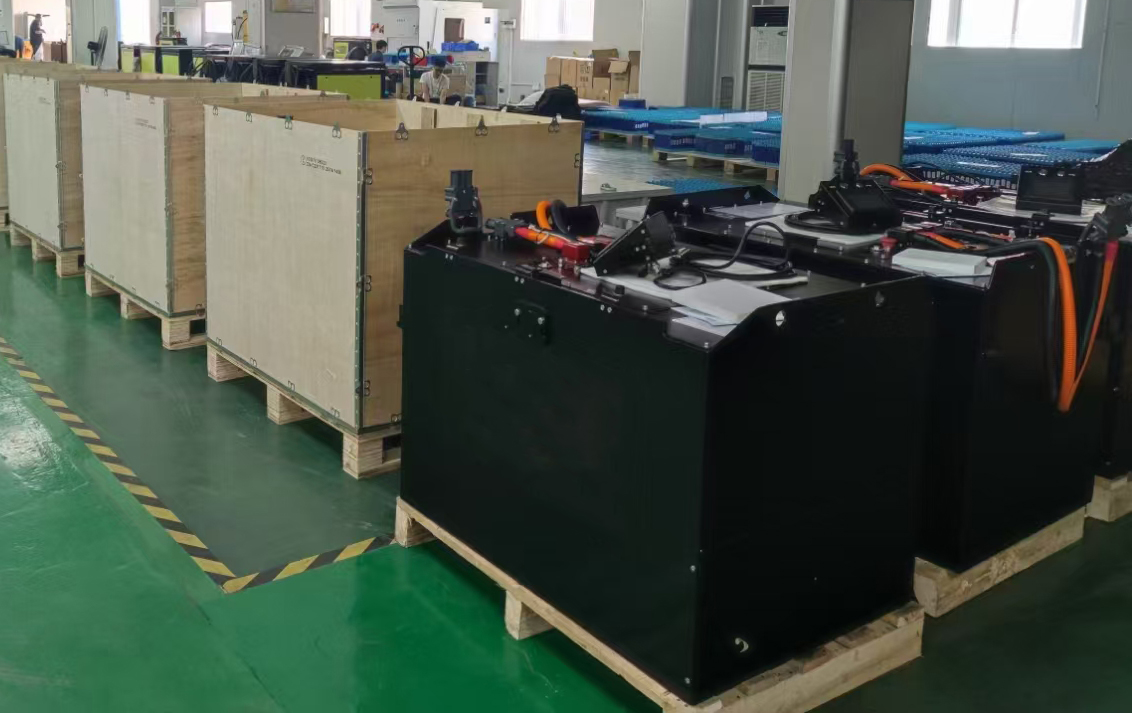
48V LiFePO4 forklift batteries offer safety features like thermal stability, a Battery Management System, and fire safety mechanisms. Selecting the right battery ensures reliability and efficiency in industrial settings. SUZHOU FOBERRIA NEW ENERGY TECHNOLOGY CO,.LTD provides these advanced batteries, enhancing workplace safety and operational performance. Their products deliver long-lasting value through innovative designs and superior durability, making them ideal for demanding environments. Investing in these batteries supports sustainable practices and reduces maintenance costs, offering significant benefits for businesses.
FAQ
Q: What is a 48V LiFePO4 traction battery?
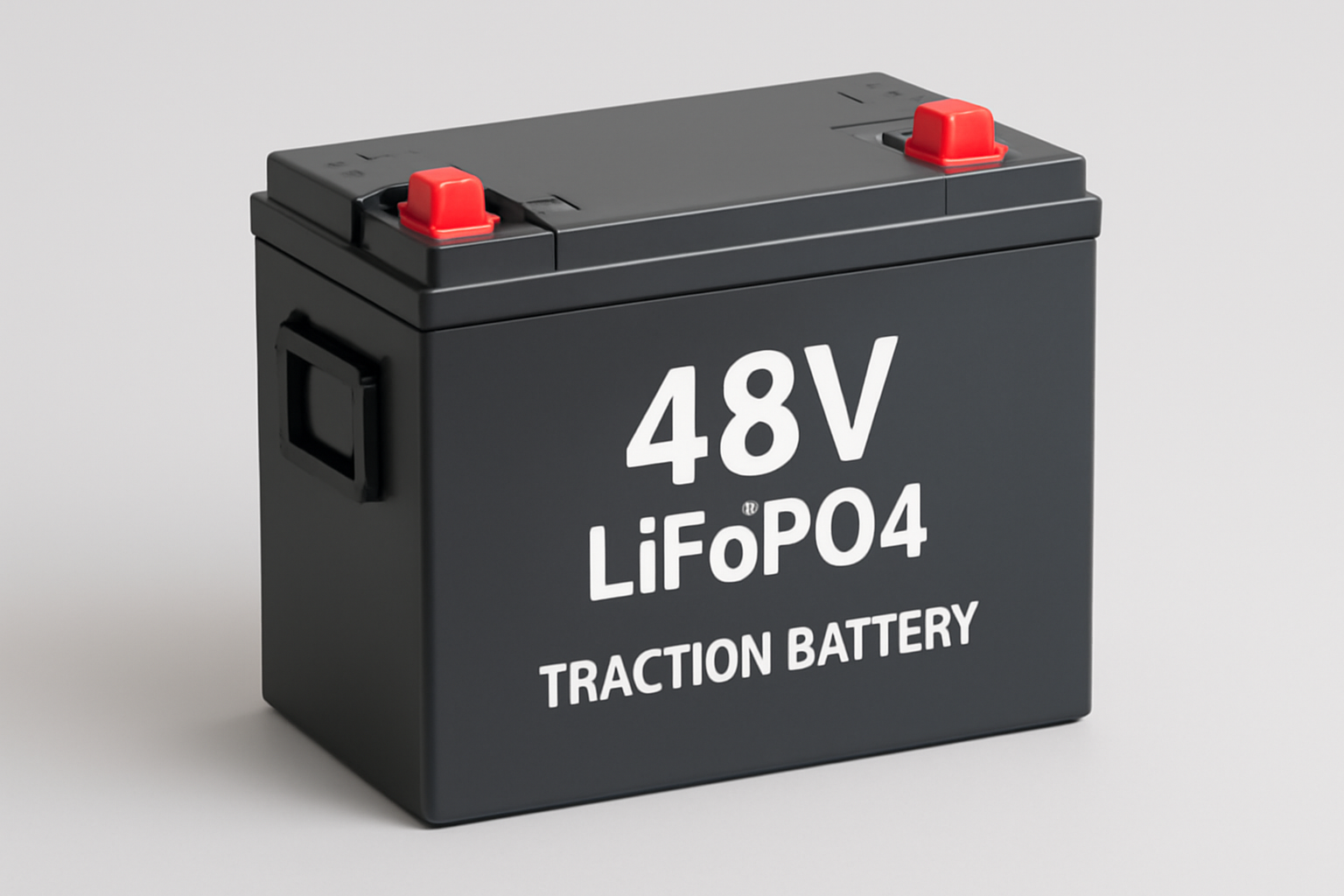
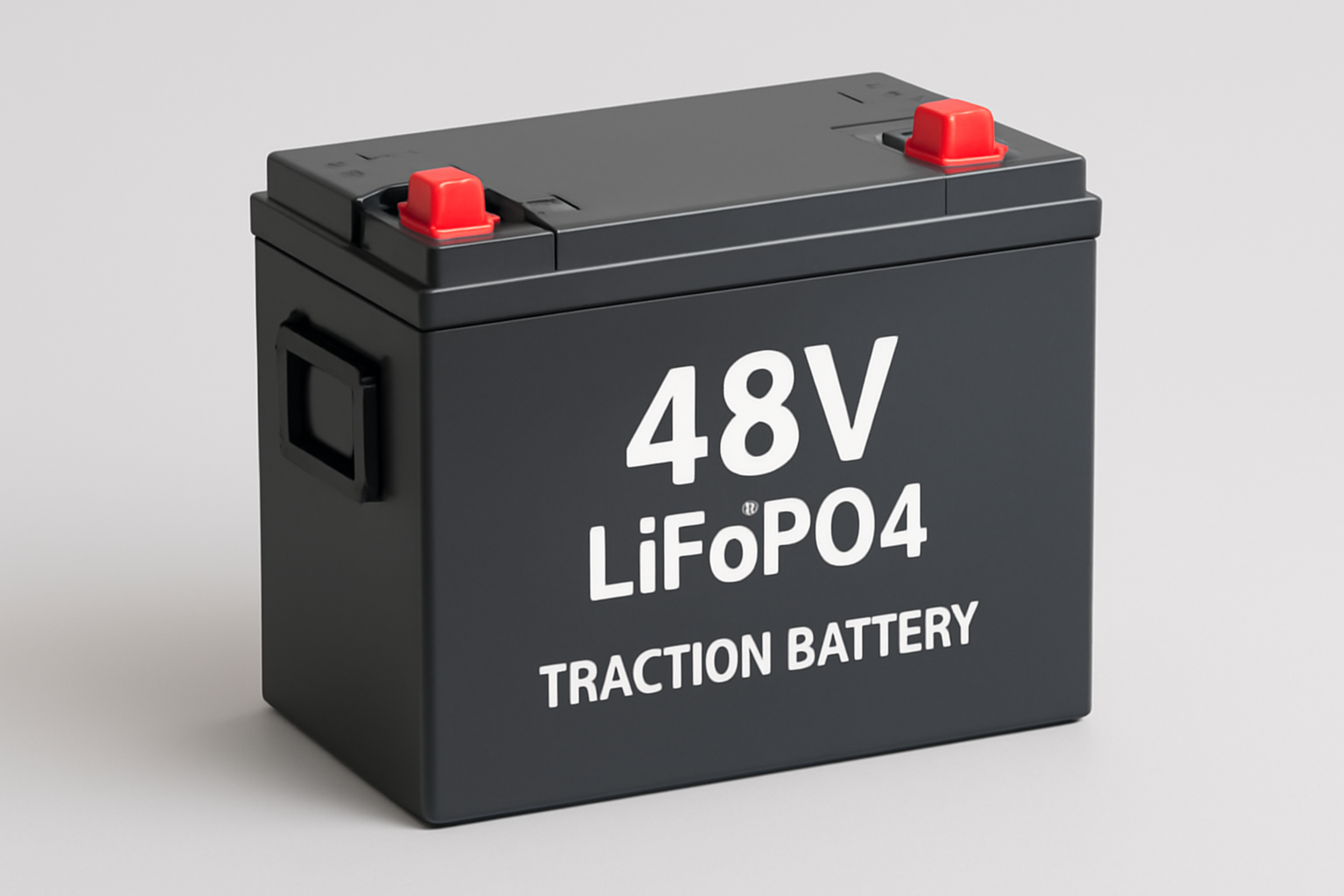
A: A 48V LiFePO4 traction battery is a type of lithium-ion battery used in forklifts, known for its safety, long lifespan, and stable voltage output.
Q: How do 48V LiFePO4 traction batteries compare to lead-acid batteries?
A: 48V LiFePO4 traction batteries have a longer lifespan, faster charging, lower maintenance, and are safer with no toxic emissions compared to lead-acid batteries.
Q: Why are 48V LiFePO4 traction batteries considered safe?
A: They are considered safe due to their high thermal stability, robust BMS, and protective mechanisms against overcharging and short circuits.
Q: What maintenance do 48V LiFePO4 traction batteries require?
A: They require minimal maintenance, such as keeping terminals clean, ensuring proper ventilation, and following charging guidelines to extend their lifespan.