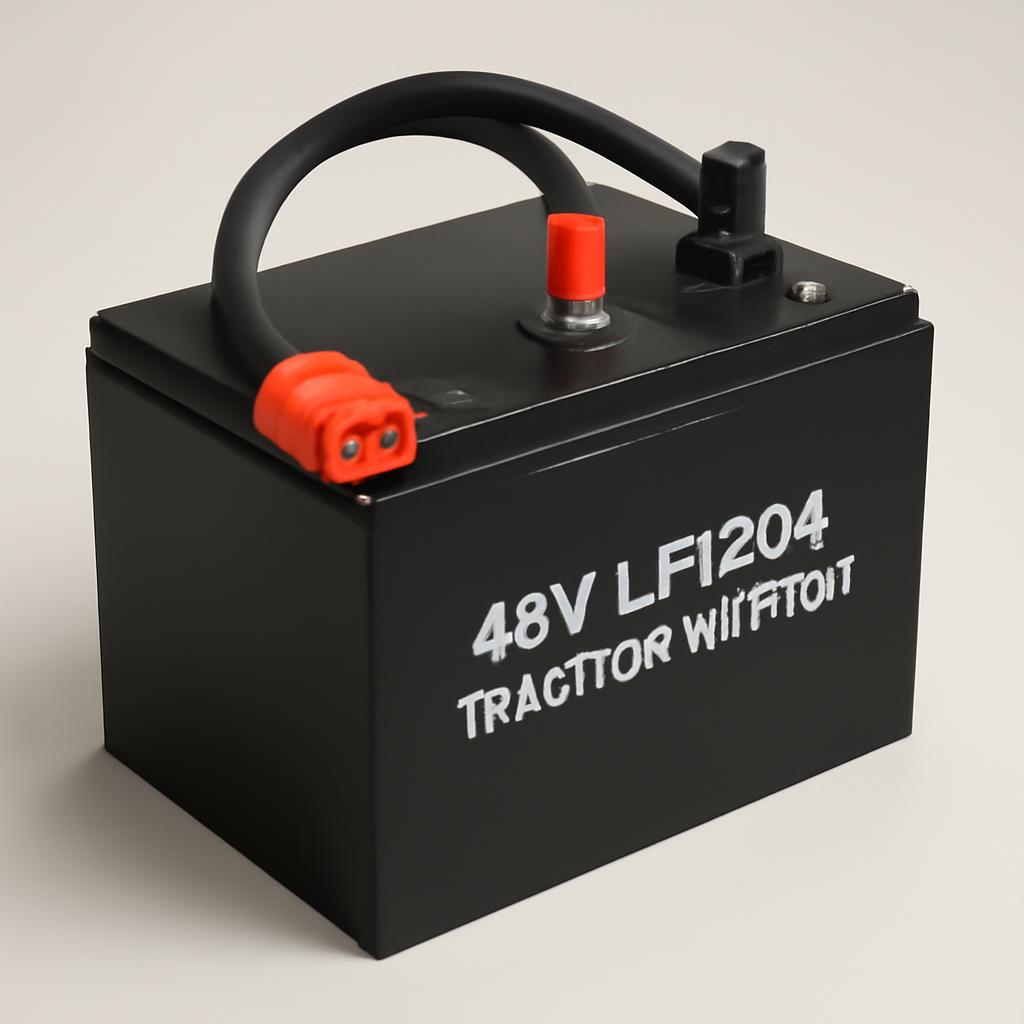
![48V LiFePO4 Charging Guide: Cut Downtime To 2-3 Hours]()
In today's fast-paced world, efficient energy storage solutions are essential for a variety of applications, from electric vehicles to renewable energy systems. The 48V LiFePO4 battery, known for its safety, longevity, and consistent performance, is becoming increasingly popular. This guide will delve into the best practices for charging these batteries, ensuring you can significantly reduce downtime to just 2-3 hours. By understanding the unique charging requirements and leveraging the right techniques, you can maximize the performance and lifespan of your 48V LiFePO4 batteries.
Understanding 48V LiFePO4 Battery Technology
Key Features of LiFePO4 Chemistry
LiFePO4, or lithium iron phosphate, batteries stand out for their unique chemistry. They use iron phosphate as the cathode material, which makes them safer and more stable than other lithium-ion batteries. This chemistry offers:
● High thermal stability: Less risk of overheating or catching fire.
● Long cycle life: They can last over 2000 to 5000 charge cycles.
● Consistent voltage: They maintain a steady voltage output during discharge.
● Lightweight design: They weigh less than lead-acid batteries of the same capacity.
These features make LiFePO4 batteries highly reliable for demanding applications.
Advantages Over Other Battery Types
Compared to traditional batteries like lead-acid or other lithium-ion types, 48V LiFePO4 batteries provide several advantages:
● Longer lifespan: They outlast lead-acid batteries by 3 to 5 times.
● Faster charging: They can safely accept higher charge currents, reducing downtime.
● Higher efficiency: They have lower internal resistance, which means less energy loss.
● Better safety profile: They resist thermal runaway and are less prone to fire hazards.
● More environmentally friendly: They use non-toxic materials and are easier to recycle.
These benefits translate to lower total cost of ownership and improved performance in various uses.
Applications in Various Industries
48V LiFePO4 batteries have found a home in many sectors due to their versatility and reliability:
● Electric vehicles (EVs): Used in e-bikes, scooters, and small electric cars.
● Renewable energy storage: Ideal for solar and wind energy systems to store power efficiently.
● Marine and RV: Powering boats and recreational vehicles where weight and safety matter.
● Telecommunications: Backup power for cell towers and remote equipment.
● Industrial equipment: Forklifts, automated guided vehicles (AGVs), and other machinery.
Their ability to deliver high power quickly while maintaining long life makes them a go-to choice across these industries.
Always consider the specific application requirements when selecting a 48V LiFePO4 battery, as their chemistry offers tailored benefits like fast charging and enhanced safety that can optimize your system’s performance.

Choosing the Right Charger for 48V LiFePO4 Batteries
Importance of Using a Dedicated LiFePO4 Charger
Using a charger specifically designed for 48V LiFePO4 batteries is crucial. These batteries have unique charging requirements that differ from lead-acid or other lithium-ion types. A dedicated LiFePO4 charger ensures:
● Proper voltage levels during charging to prevent damage.
● Correct charging stages, including bulk and absorption phases.
● Built-in protections against overcharging and overheating.
● Optimal battery performance and longer lifespan.
Using a generic or incompatible charger risks overcharging, undercharging, or damaging the battery cells, which reduces battery life and safety.
Charger Specifications and Features
When selecting a charger for your 48V LiFePO4 battery, consider these key specifications and features:
● Voltage Setting: The charger should support a full charge voltage of about 58.4V (4.2V per cell x 14 cells) for a 48V LiFePO4 battery pack.
● Charging Current: Choose a charger that delivers an appropriate current, typically between 0.2C to 0.5C (where C is the battery capacity in Ah). For example, a 100Ah battery can be charged safely at 20A to 50A.
● Charging Profile: The charger must implement a two-stage process: constant current (bulk) followed by constant voltage (absorption).
● Voltage Cut-off and Float Charge: It should automatically stop charging or switch to a float mode at the correct voltage to avoid overcharging.
● Battery Management System (BMS) Compatibility: Ensure the charger works well with the battery’s BMS for balanced and safe charging.
● Safety Features: Look for overvoltage, overcurrent, and temperature protections.
Common Mistakes to Avoid
Avoid these mistakes to protect your 48V LiFePO4 battery and charger:
● Using Lead-Acid Chargers: Lead-acid chargers have different voltage and charging profiles that can harm LiFePO4 batteries.
● Ignoring Charger Specifications: Using a charger with incorrect voltage or current ratings can cause poor charging or damage.
● Charging Below Freezing: Charging LiFePO4 batteries at temperatures below 0°C can cause permanent damage unless the battery has built-in heaters.
● Overcharging: Leaving the battery connected to a charger without automatic cutoff can reduce battery life.
● Skipping BMS Integration: Charging without a BMS risks cell imbalance and safety issues.
Selecting the right charger and following recommended practices helps reduce charging time and extend battery life.
Always verify your 48V LiFePO4 charger supports the exact voltage and current specifications of your battery pack to ensure safe, fast, and efficient charging.
Optimizing Charging Time for 48V LiFePO4 Batteries
Factors Affecting Charging Speed
Charging speed depends on several key factors:
● Battery Capacity (Ah): Larger batteries take longer to charge at the same current.
● Charger Current (A): Higher current speeds up charging but risks heat buildup.
● Battery State of Charge (SoC): Charging starts fast when battery is low, then slows near full.
● Battery Temperature: Optimal charging occurs between 15°C and 45°C; cold or hot temps slow charging.
● Battery Management System (BMS): Protects cells by limiting current, affecting max charge rate.
● Charger Quality: Smart chargers with proper profiles charge more efficiently than basic ones.
Understanding these helps balance speed and safety.
Strategies to Reduce Charging Time
To cut charging time to 2-3 hours, try these approaches:
● Use a High-Current Charger: Select a charger delivering 0.5C to 1C current (for a 100Ah battery, 50-100A). This accelerates bulk charging.
● Precondition the Battery: Warm the battery if cold to improve charging efficiency.
● Optimize Charging Profile: Use chargers with multi-stage charging—constant current bulk phase followed by constant voltage absorption phase.
● Avoid Charging at Extreme Temperatures: Charge in a controlled environment to prevent slowdowns.
● Parallel Charging: For large battery banks, split into smaller packs charged simultaneously.
● Regular Maintenance: Keep battery terminals clean and connections tight for minimal resistance.
● Monitor Battery Health: Healthy cells accept charge faster; replace aging cells promptly.
Applying these can reduce downtime significantly.
Balancing Fast Charging and Battery Longevity
Fast charging stresses batteries, possibly shortening life. To balance speed and durability:
● Limit Fast Charging Frequency: Use fast charge sparingly; rely on slower charging for routine cycles.
● Stay Within Recommended Currents: Avoid exceeding manufacturer’s max charge current.
● Use Chargers with Temperature Sensors: They reduce current if battery overheats.
● Implement BMS Protections: Ensure BMS cuts off or throttles charging to prevent damage.
● Avoid Deep Discharges: Charging from moderate SoC reduces stress.
● Allow Cooling Time: Let battery rest between fast charges to dissipate heat.
By managing these factors, you keep batteries healthy while minimizing downtime.
To safely speed up charging, choose a high-quality charger that matches your battery’s specs and includes temperature and current controls to protect battery life.
Safety Considerations When Charging 48V LiFePO4 Batteries
Overcharging and Its Impacts
Overcharging a 48V LiFePO4 battery can cause serious damage. When the voltage exceeds the recommended limit, it stresses the battery cells, leading to capacity loss and reduced lifespan. Overcharging may also cause excessive heat, which risks swelling or even thermal runaway, though LiFePO4 chemistry is safer than others. Most modern LiFePO4 batteries include a Battery Management System (BMS) that prevents overcharging by cutting off charging current once the battery reaches full voltage. However, relying solely on this protection is risky. Always use chargers with automatic voltage cut-off and avoid leaving batteries connected indefinitely without monitoring.
Temperature and Environmental Factors
Temperature plays a critical role in charging safety and efficiency. Charging a 48V LiFePO4 battery in extreme cold (below 0°C/32°F) can damage cells and reduce capacity. Similarly, charging in high heat (above 45°C/113°F) can accelerate degradation. Ideally, charge batteries in environments between 15°C and 45°C (59°F to 113°F). Avoid direct sunlight or enclosed spaces with poor ventilation. Some batteries come with built-in heaters or cooling solutions to maintain safe charging temperatures. Monitoring ambient temperature during charging helps prevent overheating or freezing, ensuring safer operation and longer battery life.
Implementing Battery Management Systems (BMS)
A BMS is essential for safe charging of 48V LiFePO4 batteries. It monitors voltage, current, temperature, and cell balance in real time. The BMS prevents overcharge, over-discharge, short circuits, and overheating by controlling the charging process and disconnecting the battery if unsafe conditions arise. It also balances cells to keep voltage levels uniform, which enhances battery performance and longevity. When selecting a charger, ensure it is compatible with the battery’s BMS to allow smooth communication and coordinated safety functions. Integrating a quality BMS is a key step to protect your investment and maintain reliable operation.
Always pair your 48V LiFePO4 battery with a charger compatible with its BMS and monitor charging temperature to prevent overcharging and thermal damage.
Maintaining 48V LiFePO4 Battery Health
Regular Maintenance Practices
Keeping your 48V LiFePO4 battery in top shape requires regular care. Start by inspecting battery terminals and connections often. Clean any dirt, dust, or corrosion using a soft cloth and a mild cleaning agent. Loose or dirty connections increase resistance, causing heat and reducing efficiency. Check wiring for damage or wear and replace if necessary.
Also, monitor the battery’s voltage and state of charge frequently. Avoid letting the battery drain below 20% or stay fully charged at 100% for long periods. Both extremes stress the battery and shorten its life. Use a quality Battery Management System (BMS) to automatically protect against overcharge, over-discharge, and cell imbalance.
Perform periodic capacity tests to track battery health. This helps detect early signs of degradation. If capacity drops significantly, consider professional evaluation or cell replacement.
Storage Guidelines for Prolonged Life
Proper storage is key to extending battery life when not in use. Store the battery at a partial charge, ideally between 40% and 60%. Fully charged or fully depleted batteries degrade faster during storage.
Keep the battery in a cool, dry place away from direct sunlight and moisture. Ideal storage temperature ranges from 15°C to 25°C (59°F to 77°F). Avoid freezing temperatures or excessive heat, which can damage cells.
If storing for several months, check the battery’s voltage every 3 to 6 months. Recharge it to the recommended level if voltage drops too low. This prevents deep discharge damage.
Before long-term storage, disconnect the battery from any load or charger to avoid parasitic drain. Use a storage container that protects against dust and physical damage.
Monitoring Battery Performance
Continuous monitoring helps maintain battery health and avoid unexpected failures. Use smart battery monitors or apps that connect via Bluetooth or other interfaces to track:
● Voltage levels per cell
● State of charge (SoC)
● Charge and discharge currents
● Temperature of battery pack
● Cycle count and capacity retention
These metrics help you detect abnormal conditions early, such as cell imbalance, overheating, or capacity loss. Alerts from monitoring systems allow timely maintenance or adjustments in charging practices.
Regular data review also helps optimize usage patterns. For example, avoiding deep discharges or excessive fast charging when battery health declines.
Schedule routine inspections and use smart monitoring tools to catch issues early and keep your 48V LiFePO4 battery performing at its best for years.

Common Challenges and Troubleshooting
Identifying and Solving Charging Issues
Charging 48V LiFePO4 batteries can sometimes present challenges. The most common problems include slow charging, charger not starting, or the battery not reaching full charge. To identify these issues:
● Check Connections: Loose or corroded terminals cause poor contact and slow charging.
● Verify Charger Compatibility: Using a charger not designed for LiFePO4 may prevent proper charging.
● Monitor Battery Voltage: If voltage stays low or drops quickly, cells may be damaged or unbalanced.
● Inspect BMS Alerts: The Battery Management System often signals faults like overvoltage, undervoltage, or temperature issues.
● Temperature Effects: Charging in too cold or hot environments can trigger BMS to limit or stop charging.
To solve these issues:
● Tighten and clean all connections.
● Switch to a dedicated LiFePO4 charger matching battery specs.
● Reset or replace the BMS if faulty.
● Warm the battery before charging if cold.
● Avoid charging in extreme temperatures.
Regular monitoring and maintenance prevent most charging problems.
Dealing with Battery Performance Decline
Over time, 48V LiFePO4 batteries may show signs of performance decline such as reduced capacity, shorter runtime, or inability to hold charge. Causes include:
● Cell Imbalance: Unequal cell voltages reduce overall capacity.
● Aging Cells: Natural wear from charge cycles lowers capacity.
● Overdischarge or Overcharge: Damages cells and shortens lifespan.
● Environmental Stress: Heat, cold, or moisture can degrade cells.
To address performance decline:
● Use the BMS to balance cells regularly.
● Avoid deep discharges below 20% state of charge.
● Store batteries properly at partial charge.
● Replace individual cells if possible or consider a full battery replacement.
● Keep batteries cool and dry during use and storage.
Tracking capacity and cycle count helps anticipate when maintenance or replacement is needed.
Seeking Professional Assistance
Some battery issues require expert help. Seek professional assistance when:
● The battery does not charge despite correct procedures.
● BMS faults persist after resets.
● Physical damage, swelling, or leakage is visible.
● Performance drops sharply without clear cause.
● You need cell-level testing or replacement.
Qualified technicians have specialized tools to test cell health, repair BMS, and safely handle hazardous battery components. Attempting complex repairs without expertise risks injury or further damage.
Always consult the battery manufacturer or authorized service centers for warranty-covered repairs or advice.
Regularly inspect connections and monitor BMS alerts to quickly identify charging issues and prevent long-term battery damage.
Conclusion
Proper charging of 48V LiFePO4 batteries involves using dedicated chargers and monitoring battery conditions. These practices ensure efficient charging, extending battery life and enhancing performance. Implementing best practices reduces downtime and maximizes reliability. SUZHOU FOBERRIA NEW ENERGY TECHNOLOGY CO,.LTD offers advanced battery solutions that deliver exceptional value through innovative features and reliable performance. Their products are designed to optimize charging processes, providing users with durable and efficient energy storage options for various applications.
FAQ
Q: What is a 48V LiFePO4 Traction Battery?
A: A 48V LiFePO4 Traction Battery is a lithium iron phosphate battery designed for high-demand applications, offering safety, long cycle life, and consistent voltage.
Q: How do I charge a 48V LiFePO4 Traction Battery quickly?
A: Use a dedicated LiFePO4 charger with high current, follow optimal temperature guidelines, and ensure the Battery Management System is functioning correctly.
Q: Why choose a 48V LiFePO4 Traction Battery over lead-acid batteries?
A: They offer longer lifespan, faster charging, higher efficiency, better safety, and are more environmentally friendly than lead-acid batteries.